Combretum duarteanum
Combretum duarteanum · Accepted scientific name
Scientific literature: Very Sparse (5 studies) · ★☆☆☆☆
, scientifically known as Combretum duarteanum, is a remarkable medicinal plant native to tropical regions. Renowned for its diverse pharmacological properties, it is frequently utilized in traditional medicine to treat various ailments. Research continues to explore its bioactive compounds, highlighting its significant potential in developing modern therapeutic treatments.
- Family
- Not available
- Native range
- Southern America
- Parts used
- Leaf
- Common names
- Not available
- Scientific synonyms
- Not available
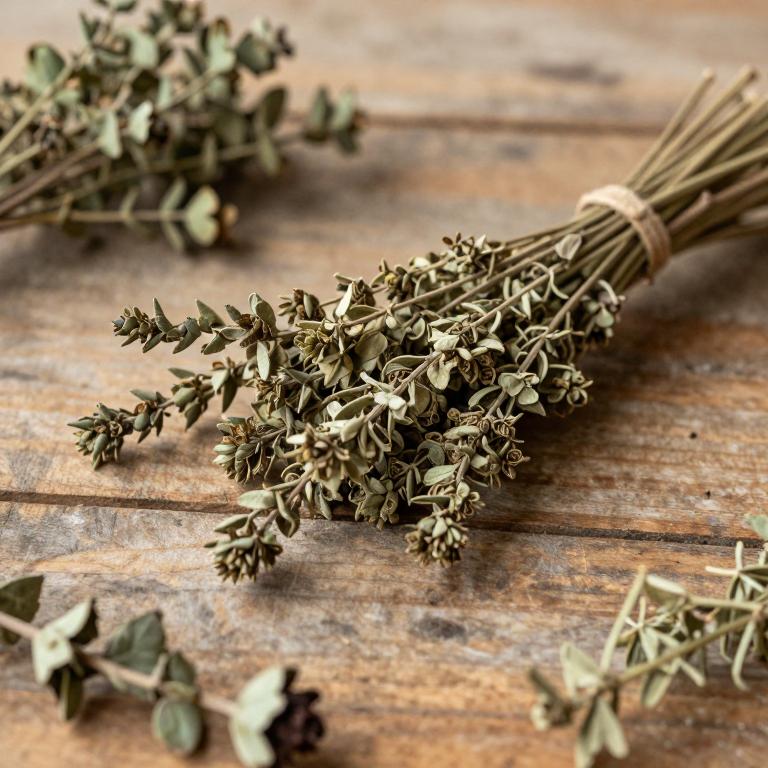
Names and Synonyms
Scientific Names
Accepted name
Combretum duarteanumDistribution
This plant is widely distributed across various regions of Western South America, including Bolivia. In the vast territory of Brazil, its presence is notable across several distinct ecological zones. It can be found throughout the North, Northeast, and Southeast regions of the country. Furthermore, its range extends into the West-Central part of Brazil. This broad distribution highlights the plant's ability to thrive in diverse South American landscapes.
| Region | Area |
|---|---|
| Western South America | Bolivia |
| Brazil | Brazil West-Central |
| Brazil | Brazil Northeast |
| Brazil | Brazil Southeast |
| Brazil | Brazil North |
| Southern South America | Paraguay |
Sources: The World Checklist of Vascular Plants (WCVP)
Botanical Identification
Ecology
The ecology of Combretum duarteanum is characterized by its presence in diverse environmental settings, specifically within anthropogenic areas, the Caatinga (strict sense), and the Cerrado (latosense). This plant inhabits a wide altitudinal gradient, ranging from sea level up to a maximum elevation of 600 m AMSL.
- Elevational range max:
- 600 m AMSL
- Elevational range min:
- 0 m AMSL
- Habitat :
- Área Antrópica, Caatinga (stricto sensu), Cerrado (lato sensu)
Life history
The life history of Combretum duarteanum is characterized by its status as a perennial species, allowing it to persist in its environment over multiple growing seasons. As a perennial plant, it does not follow the rapid, single-season cycle of annuals or the two-year cycle of biennials, but instead maintains a long-term presence within its ecological niche. This life cycle supports its structural development and allows the plant to establish a stable existence, often undergoing seasonal changes in growth and metabolic activity while maintaining its fundamental biological functions over a sustained period.
- Lifecycle :
- perennial
Morphology
The morphology of Combretum duarteanum is characterized by a woody growth form, specifically categorized as a shrub. This plant is non-aquatic, maintaining a strictly terrestrial existence rather than being semiaquatic or aquatic. In terms of its structural habit, it functions as a self-supporting climber, lacking the obligatory or facultative reliance on other structures typically seen in vines or lianas. As a terrestrial organism, it does not exhibit epiphytic behavior, such as being a holoepiphyte or hemiepiphyte, and operates as an independent species without any parasitic relationship to other plants. The plant's physical stature is significant, reaching a maximum height of approximately 10 meters.
- Aquatic :
- terrestrial
- Climber :
- self-supporting
- Epiphyte :
- terrestrial
- Growth form :
- shrub
- Parasite :
- independent
- Plant height max:
- 10 m
- Woodiness :
- woody
Sources: Global Inventory of Floras and Traits (GIFT)
Plant Parts
Combretum duarteanum has 1 reported plant parts identified across 1 scientific publications and several other databases that are studied for medicinal purposes. The most consistently reported plant part include leaf.
| Plant part | Supporting sources | Consensus |
|---|---|---|
| Leaf | 1 supporting sources | ★☆☆☆☆ |
Leaf
- World journal of gastroenterology
Conditions
Combretum duarteanum has 4 reported investigations on conditions identified across 1 scientific publications and several other databases. The most consistently reported conditions include Inflammatory bowel disease, gastric ulcer, gastric ulcers, ulcerative colitis.
| Condition | Supporting sources | Consensus |
|---|---|---|
| Inflammatory bowel disease | 1 supporting sources | ★☆☆☆☆ |
| Gastric ulcer | 1 supporting sources | ★☆☆☆☆ |
| Gastric ulcers | 1 supporting sources | ★☆☆☆☆ |
| Ulcerative colitis | 1 supporting sources | ★☆☆☆☆ |
Inflammatory bowel disease
- World journal of gastroenterology
Gastric ulcer
- Journal of natural medicines
Gastric ulcers
- Journal of natural medicines
Ulcerative colitis
- World journal of gastroenterology
Preparations
Combretum duarteanum has 2 reported preparations identified across 1 scientific publications and several other databases. The most consistently reported preparations include ethanolic extract (EtOHE), hexane phase (HexP).
| Preparation | Supporting sources | Consensus |
|---|---|---|
| Ethanolic extract (etohe) | 1 supporting sources | ★☆☆☆☆ |
| Hexane phase (hexp) | 1 supporting sources | ★☆☆☆☆ |
Ethanolic extract (etohe)
- World journal of gastroenterology
Hexane phase (hexp)
- World journal of gastroenterology