Combretum aculeatum
Combretum aculeatum · Accepted scientific name
Scientific literature: Very Sparse (9 studies) · ★☆☆☆☆
Combretum aculeatum, scientifically known as Combretum aculeatum, is a versatile medicinal shrub native to various African landscapes. Renowned for its diverse therapeutic properties, this plant is traditionally used to treat ailments ranging from skin infections to digestive issues, offering a rich source of bioactive compounds for pharmacological study.
- Family
- Combretaceae
- Native range
- Africa
- Parts used
- Not available
- Common names
- Not available
- Scientific synonyms
- Poivrea Ovalis · Guiera Nudiflora · 12 more
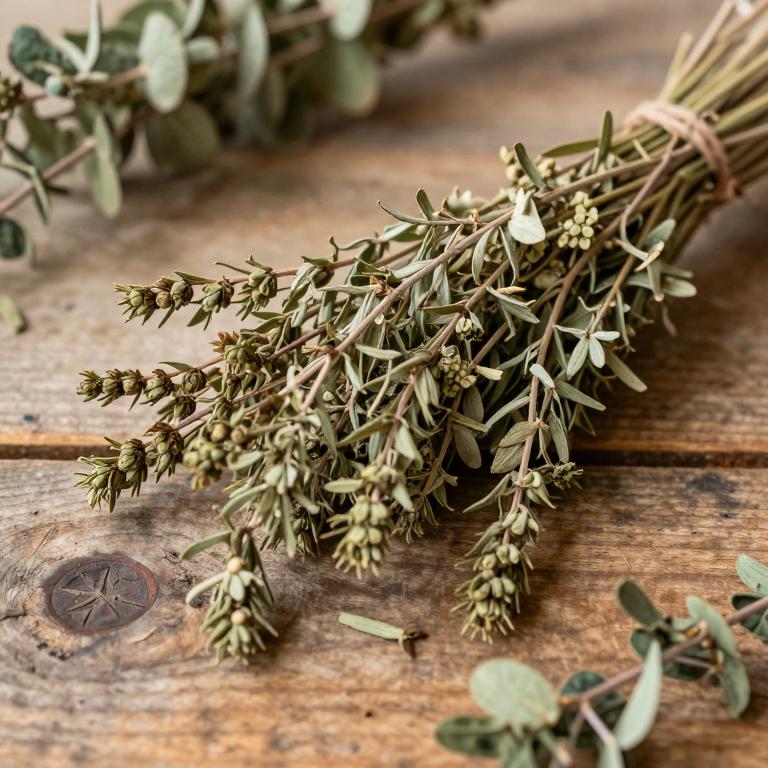
Names and Synonyms
Scientific Names
Accepted name
Combretum aculeatumSynonyms
- Poivrea ovalis
- Guiera nudiflora
- Combretum stefaninianum
- Poivrea aculeata
- Commiphora holstii
- Poivrea nudiflora
- Poivrea hartmanniana
- Combretum denhardtiorum
- Combretum ovale
- Combretum leuconili
- Combretum aculeatum f. kotschyanum
- Combretum aculeatum f. nudiflorum
- Combretum aculeatum f. schimperi
- Combretum aculeatum f. stenophyllum
Sources: Wikidata, Catalogue of Life
Taxonomical Classification
This plant belongs to the kingdom Plantae and is classified within the phylum Streptophyta and class Equisetopsida. Further taxonomic descent places it in the subclass Magnoliidae and order Myrtales, eventually leading to the family Combretaceae. Within this group, it is specifically identified under the genus Combretum.
| Rank | Classification |
|---|---|
| Kingdom | Plantae |
| Phylum | Streptophyta |
| Class | Equisetopsida |
| Subclass | Magnoliidae |
| Order | Myrtales |
| Family | Combretaceae |
| Genus | Combretum |
Sources: The World Checklist of Vascular Plants (WCVP)
Distribution
This plant exhibits a specific geographical distribution across several regions of the African continent. In Northern Africa, its presence is noted within the territory of Western Sahara. Moving into West Tropical Africa, the species is found in the country of Benin. Its range further extends through West Tropical Africa to include Burkina and Ghana. Finally, the distribution continues into the Ivory Coast within the West Tropical African zone.
| Region | Area |
|---|---|
| Northern Africa | Western Sahara |
| West Tropical Africa | Benin |
| West Tropical Africa | Burkina |
| West Tropical Africa | Ghana |
| West Tropical Africa | Ivory Coast |
| West Tropical Africa | Mali |
| West Tropical Africa | Mauritania |
| West Tropical Africa | Nigeria |
| West Tropical Africa | Niger |
| West Tropical Africa | Senegal |
Sources: The World Checklist of Vascular Plants (WCVP)
Botanical Identification
Life history
The life history of Combretum aculeatum is characterized by its status as a perennial organism, allowing it to persist through multiple growing seasons and maintain a stable presence within its ecological niche. As a phanerophyte, the plant's regenerative buds are located well above the ground, typically on woody stems or branches, which enables it to thrive in diverse environments by maintaining significant biomass above the soil surface. This combination of a long-lived lifecycle and a high-growing life form supports its structural development and long-term survival in its natural habitat.
- Life form :
- phanerophyte
- Lifecycle :
- perennial
Morphology
The morphology of Combretum aculeatum is characterized by its woody growth form, primarily manifesting as a shrub. It functions as an independent, terrestrial plant, meaning it does not act as a parasite or an epiphyte. In terms of stature, the plant exhibits a height that varies significantly, ranging from a minimum of 1 m to a maximum of 4 m, with an average height of approximately 4 m. Despite its shrub-like structure, it is categorized as a self-supporting plant rather than a climber.
- Climber :
- self-supporting
- Epiphyte :
- terrestrial
- Growth form :
- shrub
- Parasite :
- independent
- Plant height mean:
- 4 m
- Plant height min:
- 1 m
- Woodiness :
- woody
Physiology
The physiology of Combretum aculeatum is characterized by specialized metabolic processes adapted to its specific ecological niche, particularly regarding nutrient acquisition and resource management. In terms of its nitrogen metabolism, the plant does not function as a nitrogen fixer; it lacks the symbiotic relationship with diazotrophic bacteria, such as Rhizobium, required to convert atmospheric nitrogen into bioavailable forms. Consequently, its physiological reliance is placed on the uptake of nitrates and ammonium from the soil through an extensive root system. Its metabolic efficiency is further defined by its photosynthetic pathways and water-use strategies, which allow it to maintain cellular homeostasis and drive the synthesis of secondary metabolites. These physiological mechanisms ensure that the plant can sustain growth and reproductive cycles by optimizing the assimilation of available soil nutrients and managing transpiration rates in response to environmental fluctuations.
- Nitrogen fixer :
- no
Reproduction
The reproduction of Combretum aculeatum is characterized by the production of seeds that exhibit specific variations in weight, which are critical factors for its dispersal and establishment in the wild. The seed mass within a population shows a measurable range, with a recorded minimum mass of 0.03754 g and a maximum mass of 0.08908 g. On average, the seeds possess a mean mass of 0.05714 g. These variations in seed size can influence the plant's reproductive success, affecting both the energy reserves available to the developing embryo and the ability of the seeds to navigate their environment during germination.
- Seed mass max:
- 0.08908 g
- Seed mass mean:
- 0.05714 g
- Seed mass min:
- 0.03754 g
Sources: Global Inventory of Floras and Traits (GIFT)
Chemicals
Combretum aculeatum has 4 reported phytochemicals identified across 0 scientific publications and several other databases. The most consistently reported chemicals include Isovitexin, RUTIN, Vitexin, quercetin.
| Chemical | Supporting sources | Consensus |
|---|---|---|
| Isovitexin | 1 supporting sources | ★☆☆☆☆ |
| RUTIN | 1 supporting sources | ★☆☆☆☆ |
| Vitexin | 1 supporting sources | ★☆☆☆☆ |
| quercetin | 1 supporting sources | ★☆☆☆☆ |
Isovitexin
- Journal of ethnopharmacology
RUTIN
- Journal of ethnopharmacology
Vitexin
- Journal of ethnopharmacology
quercetin
- Journal of ethnopharmacology
Conditions
Combretum aculeatum has 5 reported investigations on conditions identified across 0 scientific publications and several other databases. The most consistently reported conditions include catarrh, malaria, scorpion stings, snake bites, wounds.
| Condition | Supporting sources | Consensus |
|---|---|---|
| Catarrh | 1 supporting sources | ★☆☆☆☆ |
| Malaria | 1 supporting sources | ★☆☆☆☆ |
| Scorpion stings | 1 supporting sources | ★☆☆☆☆ |
| Snake bites | 1 supporting sources | ★☆☆☆☆ |
| Wounds | 1 supporting sources | ★☆☆☆☆ |
Catarrh
- Journal of ethnopharmacology
Malaria
- Chemistry & biodiversity
Scorpion stings
- Journal of ethnopharmacology
Snake bites
- Journal of ethnopharmacology
Wounds
- Journal of ethnopharmacology
Preparations
Combretum aculeatum has 2 reported preparations identified across 0 scientific publications and several other databases. The most consistently reported preparations include ethyl acetate extract, water extracts.
| Preparation | Supporting sources | Consensus |
|---|---|---|
| Ethyl acetate extract | 1 supporting sources | ★☆☆☆☆ |
| Water extracts | 1 supporting sources | ★☆☆☆☆ |
Ethyl acetate extract
- Chemistry & biodiversity
Water extracts
- Journal of ethnopharmacology