Coleus
Coleus · Accepted scientific name
Scientific literature: Very Sparse (4 studies) · ★☆☆☆☆
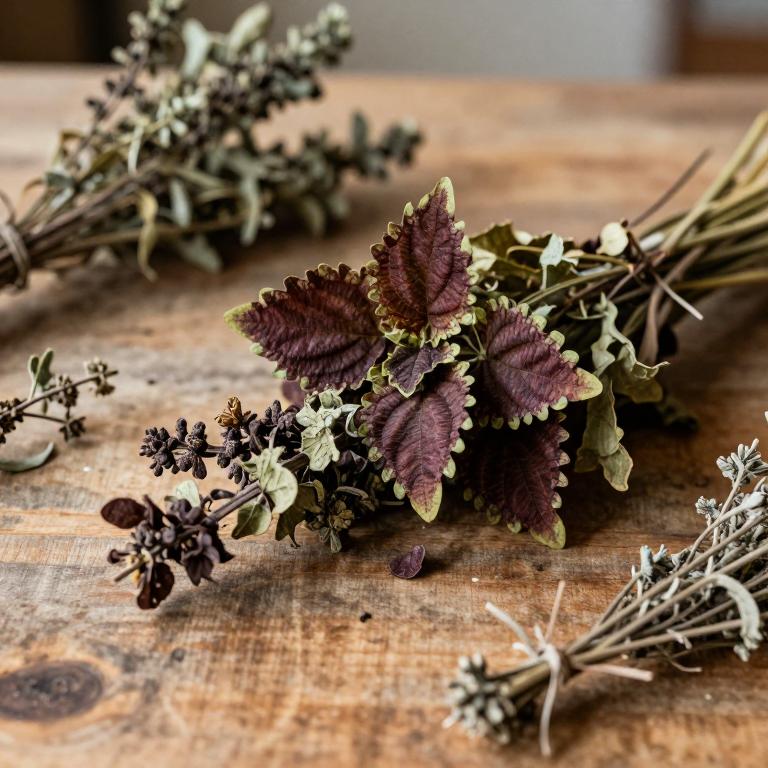
Coleus is a versatile plant renowned not only for its striking foliage but also for its significant therapeutic potential. Scientific studies have highlighted its impressive biological activities, including anthelmintic, antibacterial, antifungal, and antimicrobial properties. These medicinal effects are driven by a complex profile of bioactive chemicals, such as flavonoids and carotenoids. Furthermore, specific compounds like 14-deoxycoleon U and demethylcryptojaponol contribute to its unique pharmacological characteristics. Understanding these constituents provides valuable insight into the plant's diverse applications in natural medicine.
- Synonyms
- Ascocarydion · Capitanya · 17 more
- Common names
- Not available
- Family
- Lamiaceae
- Distribution
- Southern America
- Plant Parts
- Not available
Classification
Common Names
Coleus is a versatile plant that is recognized by a diverse array of regional and linguistic names. While many enthusiasts simply call it koleus, it is also known by the descriptive name Hullworts in certain contexts. In Sweden, you might encounter it referred to as palettbladssläktet, whereas in Finnish, it is called tiuhatähkät. The plant also holds a distinct identity in Thailand, where it is known as สกุล ฤๅษีผสม. These varied names reflect the global appreciation and cultural integration of this colorful foliage.
Sources: Catalogue of Life (COL)
Synonyms
Coleus is a taxonomically complex genus that has been associated with several different scientific names over time. Due to various reclassifications, the plant is recognized by multiple synonyms including Anisochilus and Ascocarydion. Researchers have also documented its relationship to the names Briquetastrum and Burnatastrum within botanical literature. Furthermore, the name Calchas serves as another historical synonym linked to this diverse group of plants. Understanding these shifting botanical identities is essential for anyone studying the evolutionary history of the species.
Sources: The World Checklist of Vascular Plants (WCVP)
Taxonomy
Coleus belongs to the vast kingdom Plantae, a classification that encompasses all green plants. Within this realm, it is categorized under the class Equisetopsida. The plant is further organized into the order Lamiales, which helps define its biological characteristics. It also shares a membership in the family Lamiaceae, often known for its aromatic properties. Finally, its specific identity is established within the genus Coleus.
| Rank | Classification |
|---|---|
| Kingdom | Plantae |
| Phylum | Streptophyta |
| Class | Equisetopsida |
| Subclass | Magnoliidae |
| Order | Lamiales |
| Family | Lamiaceae |
| Genus | Coleus |
Sources: The World Checklist of Vascular Plants (WCVP)
Distribution
Geographic Regions
Coleus exhibits a diverse geographical presence across several regions within the African continent. Its distribution is notably concentrated in East Tropical Africa, where it can be found in Kenya, Tanzania, and Uganda. Beyond the mainland, the species extends its reach to the Macaronesia region, specifically inhabiting Madeira. The plant's range also encompasses the Middle Atlantic Ocean, reaching the remote island of St. Helena. This wide-ranging pattern highlights the remarkable adaptability of the species across various island and continental environments.
Sources: The World Checklist of Vascular Plants (WCVP)
Identification
Biological Activities
Coleus demonstrates a diverse range of therapeutic properties that are highly relevant to pharmacological research. Specifically, the plant exhibits significant antimicrobial activity, which allows it to combat various pathogens effectively. Its biological profile is further strengthened by potent antibacterial and antifungal capabilities. Additionally, the presence of anthelmintic activity suggests that the plant may also play a role in treating parasitic infections. These combined characteristics highlight the significant medicinal potential inherent in the species.
Compounds
Coleus forskohlii is a significant medicinal plant known primarily for its ability to produce the bioactive compound forskolin. Recent investigations have focused on how symbiotic relationships with arbuscular mycorrhizal (AM) fungi can enhance the production of this valuable substance. Studies demonstrate that inoculating these plants with specific fungi, such as Glomus bagyarajii, can substantially increase both plant biomass and forskolin content. The effectiveness of these fungal associations varies depending on the specific species used during the cultivation process. Ultimately, leveraging these natural plant-fungal relationships offers a promising method for optimizing the nutritional and chemical value of Coleus.