Coleus yemenensis
Coleus yemenensis · Accepted scientific name
Scientific literature: Very Extensive (604 studies) · ★★★★★
, scientifically known as Coleus yemenenensis, is a vibrant medicinal plant cherished in traditional healing practices. Renowned for its striking foliage and potent therapeutic properties, it is frequently utilized to treat respiratory ailments and inflammatory conditions. This versatile species offers a unique blend of aesthetic beauty and significant pharmacological potential.
- Family
- Lamiaceae
- Native range
- Asia-Temperate
- Parts used
- Leaf · Stem
- Common names
- Not available
- Scientific synonyms
- Plectranthus Ovatus
Names and Synonyms
Scientific Names
Accepted name
Coleus yemenensisSynonyms
- Plectranthus ovatus
Sources: Wikidata
Taxonomical Classification
This plant belongs to the kingdom Plantae and is classified within the phylum Streptophyta and the class Equisetopsida. As a member of the subclass Magnoliidae and the order Lamiales, it is further nested within the family Lamiaceae. Finally, it is categorized under the genus Coleus as the species Coleus yemenenensis.
| Rank | Classification |
|---|---|
| Kingdom | Plantae |
| Phylum | Streptophyta |
| Class | Equisetopsida |
| Subclass | Magnoliidae |
| Order | Lamiales |
| Family | Lamiaceae |
| Genus | Coleus |
Sources: The World Checklist of Vascular Plants (WCVP)
Distribution
This plant is characterized by a very specific and limited geographical range. It is native to the unique landscapes found within the Arabian Peninsula. Specifically, its natural habitat is restricted to the country of Yemen. Because of this localized presence, the species is considered endemic to this particular region. Consequently, its wild distribution is defined solely by the borders of the Yemeni territory.
| Region | Area |
|---|---|
| Arabian Peninsula | Yemen |
Sources: The World Checklist of Vascular Plants (WCVP)
Plant Parts
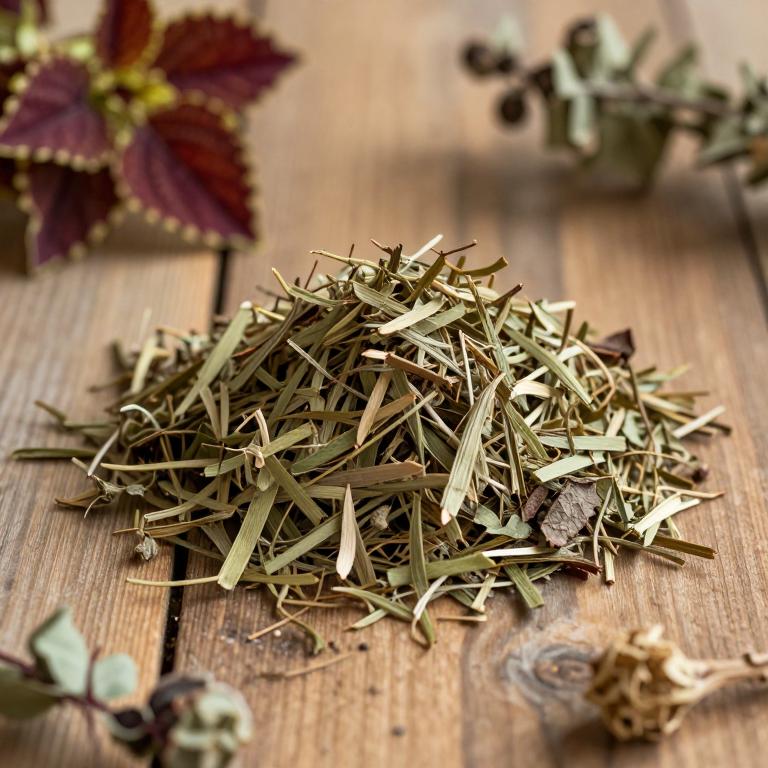
Coleus yemenensis has 5 reported plant parts identified across 31 scientific publications and several other databases that are studied for medicinal purposes. The most consistently reported plant part include leaf, stem, rhizome, root, seed.
| Plant part | Supporting sources | Consensus |
|---|---|---|
| Leaf | 26 supporting sources | ★★★★★ |
| Stem | 2 supporting sources | ★☆☆☆☆ |
| Rhizome | 1 supporting sources | ★☆☆☆☆ |
| Root | 1 supporting sources | ★☆☆☆☆ |
| Seed | 1 supporting sources | ★☆☆☆☆ |
Leaf
- Cureus
- BMC complementary medicine and therapies
- Malaria journal
- African journal of medicine and medical sciences
- Journal of complementary & integrative medicine
View 21 additional sources
- Parasitology research
- BioMed research international
- Pakistan journal of biological sciences : PJBS
- Toxicology reports
- Antiviral research
- Molecules (Basel, Switzerland)
- Revista internacional de andrologia
- Fitoterapia
- Talanta
- International journal of cancer
- Scientific reports
- Journal of diarrhoeal diseases research
- Journal of ethnopharmacology
- Frontiers in veterinary science
- African journal of traditional, complementary, and alternative medicines : AJTCAM
- Advances in pharmacological sciences
- Bratislavske lekarske listy
- Evidence-based complementary and alternative medicine : eCAM
- BMC complementary and alternative medicine
- Nigerian quarterly journal of hospital medicine
- International journal of pharmaceutics
Stem
- Toxicology reports
- Bratislavske lekarske listy
Rhizome
- Toxicology reports
Root
- Bratislavske lekarske listy
Seed
- Toxicology reports
Chemicals
Coleus yemenensis has 132 reported phytochemicals identified across 31 scientific publications and several other databases. The most consistently reported chemicals include eugenol, Flavonoids, THYMOL, Linalool, Methyl chavicol.
| Chemical | Supporting sources | Consensus |
|---|---|---|
| eugenol | 7 supporting sources | ★★★★☆ |
| Flavonoids | 4 supporting sources | ★★☆☆☆ |
| THYMOL | 4 supporting sources | ★★☆☆☆ |
| Linalool | 3 supporting sources | ★★☆☆☆ |
| Methyl chavicol | 3 supporting sources | ★★☆☆☆ |
| 1,8-Cineole | 2 supporting sources | ★☆☆☆☆ |
| ETHYL CINNAMATE | 2 supporting sources | ★☆☆☆☆ |
| Estragole | 2 supporting sources | ★☆☆☆☆ |
| MYRCENE | 2 supporting sources | ★☆☆☆☆ |
| Methyl cinnamate | 2 supporting sources | ★☆☆☆☆ |
eugenol
- Dr. Duke
- Planta medica
- Protoplasma
- International journal of cancer
- Bioinformation
View 2 additional sources
- Scientific reports
- Plants (Basel, Switzerland)
Flavonoids
- World journal of diabetes
- Scientific reports
- Current pharmaceutical biotechnology
- Molecules (Basel, Switzerland)
THYMOL
- Dr. Duke
- Talanta
- Toxicology reports
- Plants (Basel, Switzerland)
Linalool
- Genetics and molecular research : GMR
- Scientific reports
- Plants (Basel, Switzerland)
Methyl chavicol
- Dr. Duke
- Protoplasma
- Scientific reports
1,8-Cineole
- Dr. Duke
- Genetics and molecular research : GMR
ETHYL CINNAMATE
- Dr. Duke
- Fitoterapia
Estragole
- Dr. Duke
- Plants (Basel, Switzerland)
MYRCENE
- Dr. Duke
- Planta medica
Methyl cinnamate
- Dr. Duke
- Plants (Basel, Switzerland)
Activities
Coleus yemenensis has 315 reported activities identified across 31 scientific publications and several other databases. The most consistently reported activities include Antioxidant, Antibacterial, Antifungal, Antimicrobial, Analgesic.
| Activity | Supporting sources | Consensus |
|---|---|---|
| Antioxidant | 10 supporting sources | ★★★★★ |
| Antibacterial | 6 supporting sources | ★★★☆☆ |
| Antifungal | 5 supporting sources | ★★★☆☆ |
| Antimicrobial | 4 supporting sources | ★★☆☆☆ |
| Analgesic | 3 supporting sources | ★★☆☆☆ |
| Antidiabetic | 3 supporting sources | ★★☆☆☆ |
| Cytotoxic | 3 supporting sources | ★★☆☆☆ |
| Anticancer | 2 supporting sources | ★☆☆☆☆ |
| Antimalarial | 2 supporting sources | ★☆☆☆☆ |
| Antinociceptive | 2 supporting sources | ★☆☆☆☆ |
Antioxidant
- Dr. Duke
- Heliyon
- BMC complementary medicine and therapies
- Malaria journal
- Journal of medicinal food
View 5 additional sources
- Scientific reports
- Drug development research
- Journal of food biochemistry
- Toxicology reports
- Tropical medicine and health
Antibacterial
- Dr. Duke
- Journal of ethnopharmacology
- Frontiers in veterinary science
- Cell biochemistry and function
- Bioinformation
View 1 additional sources
- International journal of pharmaceutics
Antifungal
- Journal of ethnopharmacology
- Mycoses
- International journal of molecular sciences
- Bioinformation
- Scientific reports
Antimicrobial
- Heliyon
- Scientific reports
- The Medical journal of Malaysia
- Drug development research
Analgesic
- Dr. Duke
- Evidence-based complementary and alternative medicine : eCAM
- Drug development research
Antidiabetic
- Journal of ethnopharmacology
- Molecules (Basel, Switzerland)
- Tropical medicine and health
Cytotoxic
- Dr. Duke
- Experimental parasitology
- Bioinformation
Anticancer
- Dr. Duke
- Food research international (Ottawa, Ont.)
Antimalarial
- Dr. Duke
- African journal of medicine and medical sciences
Antinociceptive
- Dr. Duke
- BMC complementary and alternative medicine
Preparations
Coleus yemenensis has 38 reported preparations identified across 31 scientific publications and several other databases. The most consistently reported preparations include essential oils, extracts, leaves, aqueous extracts, Aqueous extracts.
| Preparation | Supporting sources | Consensus |
|---|---|---|
| Essential oils | 7 supporting sources | ★★★★☆ |
| Extracts | 5 supporting sources | ★★★☆☆ |
| Leaves | 4 supporting sources | ★★☆☆☆ |
| Aqueous extracts | 3 supporting sources | ★★☆☆☆ |
| Aqueous extracts | 2 supporting sources | ★☆☆☆☆ |
| Extracts | 2 supporting sources | ★☆☆☆☆ |
| Aqueous and hydroethanolic extracts | 2 supporting sources | ★☆☆☆☆ |
| Essential oil | 2 supporting sources | ★☆☆☆☆ |
| Leaf extracts | 2 supporting sources | ★☆☆☆☆ |
| Methanol extracts | 2 supporting sources | ★☆☆☆☆ |
Essential oils
- Mycoses
- Evidence-based complementary and alternative medicine : eCAM
- Phytomedicine : international journal of phytotherapy and phytopharmacology
- Experimental parasitology
- Journal of the science of food and agriculture
View 2 additional sources
- Journal of ethnopharmacology
- Food and chemical toxicology : an international journal published for the British Industrial Biological Research Association
Extracts
- Heliyon
- Frontiers in microbiology
- Mycoses
- Antiviral research
- Cell biochemistry and function
Leaves
- Malaria journal
- BioMed research international
- Molecules (Basel, Switzerland)
- Advances in pharmacological sciences
Aqueous extracts
- International journal of molecular sciences
- Journal of herbal pharmacotherapy
- Journal of ethnopharmacology
Aqueous extracts
- International journal of cancer
- Journal of ethnopharmacology
Extracts
- Heliyon
- Phytotherapy research : PTR
Aqueous and hydroethanolic extracts
- BioMed research international
- Evidence-based complementary and alternative medicine : eCAM
Essential oil
- Fitoterapia
- International journal of pharmaceutics
Leaf extracts
- Parasitology research
- Journal of diarrhoeal diseases research
Methanol extracts
- Journal of ethnopharmacology
- Journal of complementary & integrative medicine