Coleus paniculatus
Coleus paniculatus · Accepted scientific name
Scientific literature: Sparse (88 studies) · ★★☆☆☆
Coleus paniculatus, scientifically known as Coleus paniculatus, is a versatile medicinal herb prized in traditional healing practices. Renowned for its therapeutic properties, this plant is frequently utilized to address various ailments, ranging from digestive issues to respiratory concerns, offering a natural approach to wellness through its potent bioactive compounds.
- Family
- Not available
- Native range
- Asia-Tropical
- Parts used
- Not available
- Common names
- Not available
- Scientific synonyms
- Not available
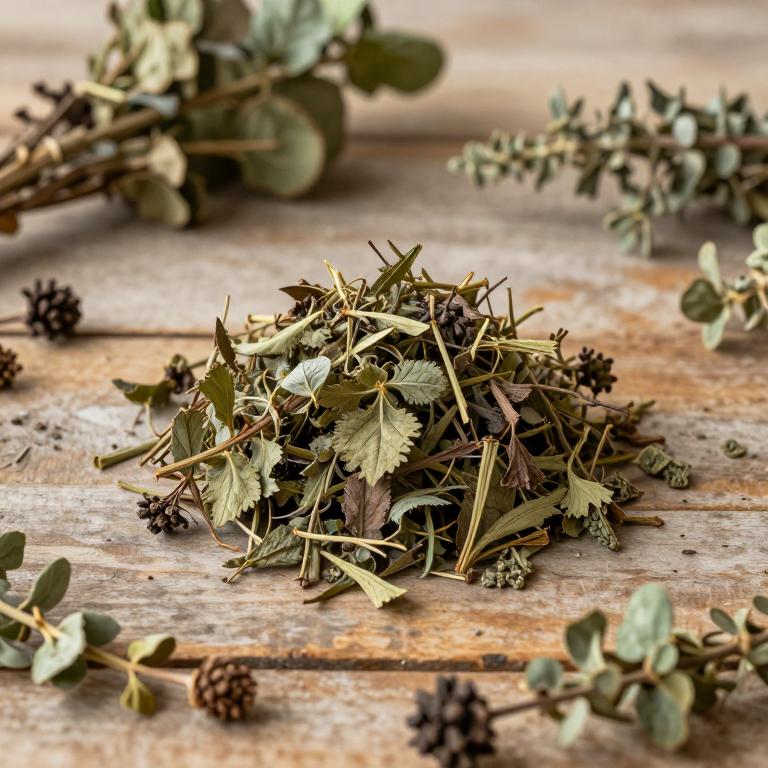
Names and Synonyms
Scientific Names
Accepted name
Coleus paniculatusDistribution
This plant exhibits a widespread presence across several key regions in Asia. Within the Indian Subcontinent, its distribution includes the extensive territories of India. It is also commonly found growing in the island nation of Sri Lanka. Moving toward the Indo-China region, the species can be identified in Thailand. Finally, its geographical range extends further into Vietnam, completing its regional footprint.
| Region | Area |
|---|---|
| Indian Subcontinent | India |
| Indian Subcontinent | Sri Lanka |
| Indo-China | Thailand |
| Indo-China | Vietnam |
Sources: The World Checklist of Vascular Plants (WCVP)
Botanical Identification
Life history
The life history of Coleus paniculatus is characterized by its classification as a therophyte, a life strategy where the plant completes its entire biological cycle within a single growing season. As a therophyte, it functions primarily as an annual, focusing its energy on rapid vegetative growth followed by a decisive reproductive phase that concludes with the production of seeds. This life cycle allows the species to exploit seasonal favorable conditions and evade unfavorable periods, such as extreme drought or cold, by persisting in the environment solely through its seed bank. Within the broader spectrum of plant life forms, its developmental trajectory aligns with the therophyte designation, distinguishing it from perennial forms like phanerophytes or hemicryptophytes that maintain permanent aboveground or bud-protected structures. By prioritizing rapid maturation and seed dispersal, Coleus paniculatus ensures its survival and colonization of new habitats during each annual cycle.
- Life form :
- therophyte
Morphology
The morphology of Coleus paniculatus is characterized by its growth habit as a self-supporting plant, lacking any climbing mechanisms such as tendrils or twining stems that would classify it as an obligatory, facultative, or self-supporting climber. It functions as an independent organism, showing no parasitic tendencies, meaning it is neither an obligatory, facultative, nor independent parasite. Furthermore, the species is strictly terrestrial in its ecological niche, rather than acting as an obligatory, facultative, or terrestrial epiphyte.
- Climber :
- self-supporting
- Epiphyte :
- terrestrial
- Parasite :
- independent
Sources: Global Inventory of Floras and Traits (GIFT)
Chemicals
Coleus paniculatus has 31 reported phytochemicals identified across 0 scientific publications and several other databases. The most consistently reported chemicals include 1,1-DIPHENYLPROPANE, 1,3-dimethyl-benzene, 1-Phenylethyl acetate, 2,2-dimethyl-tetradecane, 2-ETHYL HEXANOL.
| Chemical | Supporting sources | Consensus |
|---|---|---|
| 1,1-DIPHENYLPROPANE | 1 supporting sources | ★☆☆☆☆ |
| 1,3-dimethyl-benzene | 1 supporting sources | ★☆☆☆☆ |
| 1-Phenylethyl acetate | 1 supporting sources | ★☆☆☆☆ |
| 2,2-dimethyl-tetradecane | 1 supporting sources | ★☆☆☆☆ |
| 2-ETHYL HEXANOL | 1 supporting sources | ★☆☆☆☆ |
| 2-methyl butanol | 1 supporting sources | ★☆☆☆☆ |
| 2-methyl-undec-2-ene | 1 supporting sources | ★☆☆☆☆ |
| 3-Hexenal | 1 supporting sources | ★☆☆☆☆ |
| 4-methyl-pent-2-enal | 1 supporting sources | ★☆☆☆☆ |
| BETA-CARYOPHYLLENE | 1 supporting sources | ★☆☆☆☆ |
1,1-DIPHENYLPROPANE
- Dr. Duke
1,3-dimethyl-benzene
- Dr. Duke
1-Phenylethyl acetate
- Dr. Duke
2,2-dimethyl-tetradecane
- Dr. Duke
2-ETHYL HEXANOL
- Dr. Duke
2-methyl butanol
- Dr. Duke
2-methyl-undec-2-ene
- Dr. Duke
3-Hexenal
- Dr. Duke
4-methyl-pent-2-enal
- Dr. Duke
BETA-CARYOPHYLLENE
- Dr. Duke
Activities
Coleus paniculatus has 57 reported activities identified across 0 scientific publications and several other databases. The most consistently reported activities include (-)-Chronotropic, (-)-Inotropic, Allelochemic, Allergenic, Analgesic.
| Activity | Supporting sources | Consensus |
|---|---|---|
| (-)-Chronotropic | 1 supporting sources | ★☆☆☆☆ |
| (-)-Inotropic | 1 supporting sources | ★☆☆☆☆ |
| Allelochemic | 1 supporting sources | ★☆☆☆☆ |
| Allergenic | 1 supporting sources | ★☆☆☆☆ |
| Analgesic | 1 supporting sources | ★☆☆☆☆ |
| Antiacetylcholine | 1 supporting sources | ★☆☆☆☆ |
| Antiacetylcholinesterase | 1 supporting sources | ★☆☆☆☆ |
| Antialzheimeran? | 1 supporting sources | ★☆☆☆☆ |
| Antibacterial | 1 supporting sources | ★☆☆☆☆ |
| Antibronchitic | 1 supporting sources | ★☆☆☆☆ |
(-)-Chronotropic
- Dr. Duke
(-)-Inotropic
- Dr. Duke
Allelochemic
- Dr. Duke
Allergenic
- Dr. Duke
Analgesic
- Dr. Duke
Antiacetylcholine
- Dr. Duke
Antiacetylcholinesterase
- Dr. Duke
Antialzheimeran?
- Dr. Duke
Antibacterial
- Dr. Duke
Antibronchitic
- Dr. Duke