Coleus grandidentatus
Coleus grandidentatus · Accepted scientific name
Scientific literature: Very Sparse (0 studies) · ★☆☆☆☆
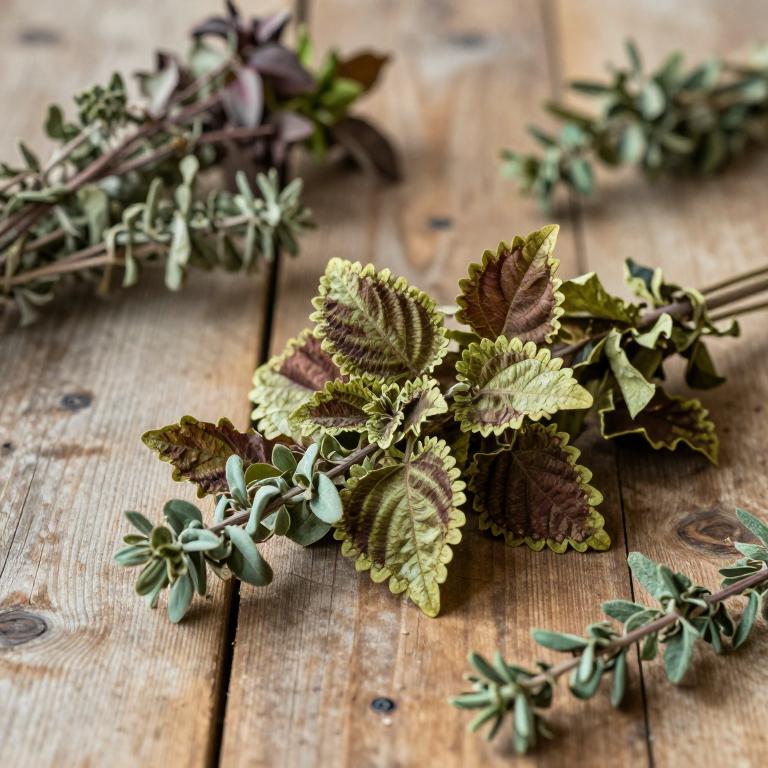
Coleus grandidentatus is a distinctive botanical species known for its unique morphological characteristics and potential pharmacological properties. Researchers often focus on this plant to investigate the bioactive compounds contained within its various tissues. One common method used to isolate these chemical constituents is through the preparation of an acetone extract. This specific solvent technique allows for the efficient recovery of diverse secondary metabolites from the plant material. Understanding the composition of such extracts is essential for evaluating the plant's overall therapeutic potential.
- Synonyms
- Plectranthus Grandidentatus
- Common names
- Not available
- Family
- Lamiaceae
- Distribution
- Not available
- Plant Parts
- Not available
Classification
Common Names
Coleus grandidentatus is a distinctive plant known by several different names depending on the region. In common English, it is frequently referred to as the Big-Teeth Spurflower or the Wolf Spurflower. Some enthusiasts also recognize it by the name Wolf Hullwort. In certain linguistic contexts, it is identified as the groottand spoorsalie. These various names all point to this unique and striking species.
Sources: Catalogue of Life (COL)
Synonyms
Coleus grandidentatus is a distinctive plant that is frequently identified in botanical literature by its alternative name, Plectranthus grandidentatus. This synonymy can sometimes cause confusion for gardeners and researchers looking for specific care instructions. Understanding that these two names refer to the exact same species is essential for accurate plant identification. Whether you encounter it under either designation, the plant remains a striking addition to any collection. Recognizing this taxonomic relationship ensures you can navigate botanical databases with confidence.
Sources: The World Checklist of Vascular Plants (WCVP)
Taxonomy
Coleus grandidentatus is a distinctive member of the kingdom Plantae. Within this vast biological realm, it is classified under the class Equisetopsida. This plant belongs to the order Lamiales, which helps define its structural characteristics. It is further nested within the family Lamiaceae, a group known for its diverse botanical traits. Finally, its specific identity is established by its placement in the genus Coleus.
| Rank | Classification |
|---|---|
| Kingdom | Plantae |
| Phylum | Streptophyta |
| Class | Equisetopsida |
| Subclass | Magnoliidae |
| Order | Lamiales |
| Family | Lamiaceae |
| Genus | Coleus |
Sources: The World Checklist of Vascular Plants (WCVP)
Distribution
Geographic Regions
Coleus grandidentatus is a resilient species widely distributed across the diverse landscapes of Africa. Its natural range extends through various regions of Southern Africa, including the Cape Provinces and the Northern Provinces. The plant can also be found thriving in the specific environments of KwaZulu-Natal and Eswatini. Furthermore, its presence is well-documented within the territories of Zimbabwe. This broad distribution highlights the plant's ability to adapt to several distinct ecological zones across the continent.
Sources: The World Checklist of Vascular Plants (WCVP)
Identification
Morphology
Coleus grandidentatus is a self-supporting herb that maintains a sturdy, upright presence in its environment. This growth form allows the plant to thrive independently without the need for external structural support.
Sources: Global Inventory of Floras and Traits (GIFT)
Biological Activities
Compounds
Conditions
Preparations
Coleus grandidentatus, also known as Plectranthus grandidentatus, is prepared as an acetone extract to facilitate chemical isolation. Through this specific extraction process, researchers successfully isolated a new 9alpha-(2-oxopropyl)abietane derivative. The study confirmed that this compound exists naturally within the plant rather than being an artifact of the solvent. Analytical tests conducted without acetone further validated the presence of this derivative in the original plant material. Consequently, the use of acetone serves as a critical method for obtaining these specific trihomoabietane diterpenoids.