Coleus fruticosus
Coleus fruticosus · Accepted scientific name
Scientific literature: Very Sparse (0 studies) · ★☆☆☆☆
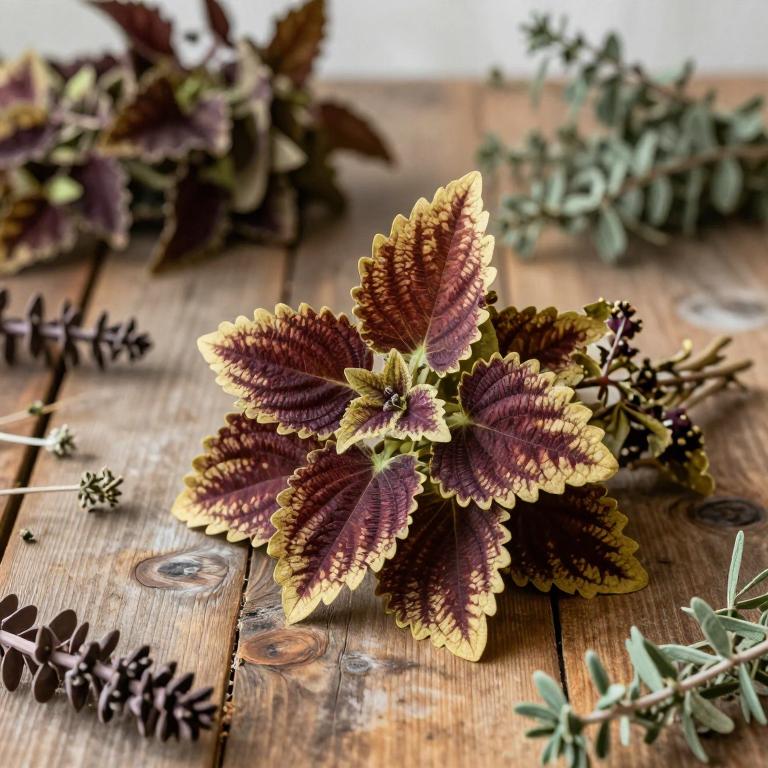
Coleus fruticosus is a versatile plant widely recognized for its diverse range of phytochemical properties. Researchers often utilize specific laboratory techniques to isolate its bioactive compounds for further study. One common method involves the creation of an acetone extract to capture essential secondary metabolites. This specialized preparation allows for a concentrated analysis of the plant's chemical constituents. Understanding these extracts is crucial for unlocking the therapeutic potential hidden within the species.
- Synonyms
- Plectranthus Deccanicus
- Common names
- Not available
- Family
- Lamiaceae
- Distribution
- Not available
- Plant Parts
- Not available
Classification
Common Names
Coleus fruticosus is a distinctive plant known widely by its common name, the forest spurflower. In various linguistic contexts, it is also referred to as шпороцветник кустарниковый. This versatility in naming reflects its diverse presence across different botanical discussions and regional cultures. Understanding these various aliases helps gardeners and scientists identify the species more easily. Whether called by its English or Russian name, the plant remains a fascinating subject of study.
Sources: Catalogue of Life (COL)
Synonyms
Coleus fruticosus is a plant that is frequently identified by various botanical names depending on the scientific classification system used. In many academic and horticultural circles, it is recognized by its synonym, Plectranthus deccanicus. Understanding these overlapping names is essential for gardeners and researchers who wish to ensure they are studying the correct species. This taxonomic overlap highlights the complex history of botanical nomenclature and how plants are categorized over time. Consequently, knowing both names allows for more accurate communication within the scientific community.
Sources: The World Checklist of Vascular Plants (WCVP)
Taxonomy
Coleus fruticosus belongs to the vast kingdom Plantae, representing a diverse group of multicellular organisms. Within this kingdom, the species is classified under the class Equisetopsida. It further falls into the order Lamiales, which helps define its biological structure. As a member of the family Lamiaceae, it shares characteristics with many well-known aromatic herbs. Ultimately, this plant is identified by its specific genus, Coleus, which distinguishes it from other botanical relatives.
| Rank | Classification |
|---|---|
| Kingdom | Plantae |
| Phylum | Streptophyta |
| Class | Equisetopsida |
| Subclass | Magnoliidae |
| Order | Lamiales |
| Family | Lamiaceae |
| Genus | Coleus |
Sources: The World Checklist of Vascular Plants (WCVP)
Distribution
Geographic Regions
Coleus fruticosus is a captivating plant primarily found throughout the lush, tropical regions of Asia. Its natural distribution is most concentrated within the Indian Subcontinent, where it thrives in warm environments. In India, this species is widely recognized and can be seen integrated into various local landscapes. This specific geographical range highlights the plant's affinity for the humid climates characteristic of the region. Understanding these patterns provides essential insight into the native habitats where the species flourishes.
Sources: The World Checklist of Vascular Plants (WCVP)
Identification
Morphology
Coleus fruticosus is a self-supporting plant that maintains its upright structure without the need for external assistance.
Sources: Global Inventory of Floras and Traits (GIFT)
Biological Activities
Compounds
Conditions
Preparations
Coleus fruticosus, also known as Plectranthus fruticosus, is prepared as an acetone extract for scientific study. This specific extraction method was utilized to isolate several new diterpenoids, including three labdane and three kaurane derivatives. Researchers employed spectroscopic techniques and NMR studies to establish the chemical structures of these isolated compounds. Through this acetone-based process, specific substances were identified that possess various biological properties. Ultimately, this preparation allowed for the testing of these compounds against several bacterial and yeast strains.