Coix
Coix · Accepted scientific name
Scientific literature: Very Sparse (0 studies) · ★☆☆☆☆
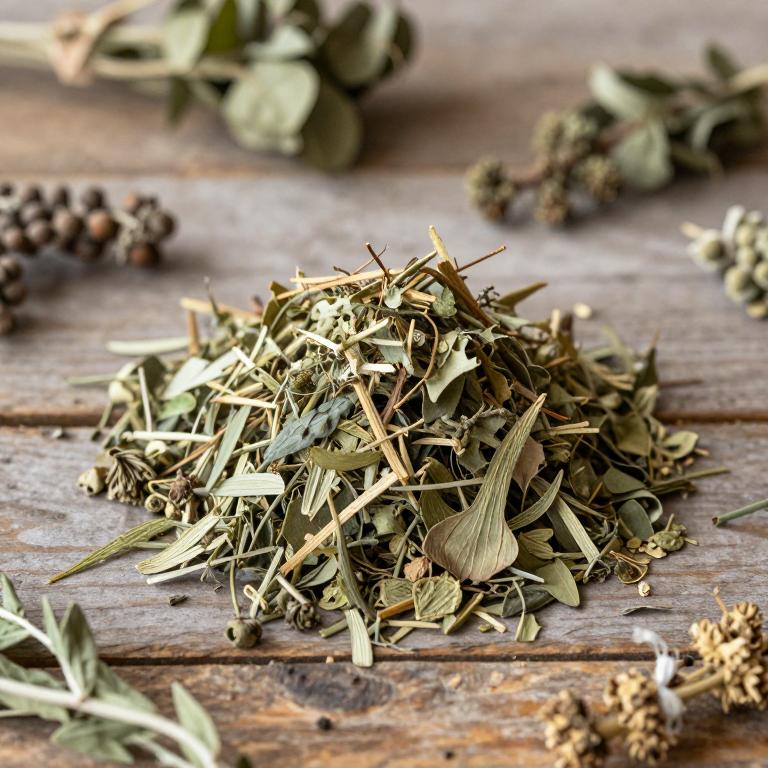
Coix is a fascinating genus of plants known primarily for the unique properties found within its seed. These seeds can be processed into a specialized oil that serves various traditional and practical applications. One of the most significant chemical constituents identified in this plant is coixol, a compound of great interest in botanical studies. Understanding the relationship between the seed's chemical makeup and its oil preparation provides insight into the plant's value. This introduction explores the essential characteristics that define the Coix species.
- Synonyms
- Not available
- Common names
- Not available
- Family
- Poaceae
- Distribution
- Not available
- Plant Parts
- Seed
Classification
Common Names
Coix is a versatile plant recognized globally through a wide variety of regional names. In English-speaking areas, it is most frequently referred to as Job's Tears. This botanical specimen also holds specific cultural identities, such as the Finnish name kyynelheinät and the Czech term slzovka. It is further known by the Swedish name tårgräs, reflecting its widespread presence across different landscapes. Finally, its significance is captured in its Chinese designation, 薏苡屬, highlighting its deep roots in Eastern herbal traditions.
Sources: Catalogue of Life (COL)
Taxonomy
Coix belongs to the vast kingdom Plantae, representing a fundamental part of the botanical world. Within this expansive group, it is classified under the class Equisetopsida. This plant further belongs to the order Poales, a lineage that connects it to many significant grasses. It is a member of the diverse family Poaceae, which is renowned for its economic importance. Ultimately, it is identified by its specific genus, Coix, which distinguishes its unique biological characteristics.
| Rank | Classification |
|---|---|
| Kingdom | Plantae |
| Phylum | Streptophyta |
| Class | Equisetopsida |
| Subclass | Magnoliidae |
| Order | Poales |
| Family | Poaceae |
| Genus | Coix |
Sources: The World Checklist of Vascular Plants (WCVP)
Distribution
Geographic Regions
Coix exhibits a diverse geographical distribution across several distinct regions of the African continent. Within East Tropical Africa, this plant is commonly found throughout the landscapes of Kenya, Tanzania, and Uganda. Its reach also extends westward to the Macaronesia islands, establishing a presence in the Canary Islands. Furthermore, the species can be located within the unique ecosystem of Cape Verde. This widespread range highlights the adaptability of Coix across various African environments.
Sources: The World Checklist of Vascular Plants (WCVP)
Identification
Biological Activities
Compounds
Coix is a medicinal plant that serves as the host for the endophytic fungus Epichloë bromicola. Research indicates that this symbiotic relationship plays a vital role in enhancing the biosynthesis of valuable secondary metabolites within the plant. Specifically, the introduction of the fungus has been shown to effectively promote the growth and accumulation of coixol in Coix under soil conditions. This enhancement is driven by complex mechanisms, including the stimulation of auxin-related growth processes. Consequently, utilizing E. bromicola as a potential inoculant offers a promising strategy for improving the cultivation of this important species.
Conditions
Coix exhibits potential therapeutic benefits due to the specific properties found within its germplasm resources. Research conducted in Xishuangbanna indicates that the ethanol extract of these plants possesses measurable antitumor activity. Within the studied wild germplasm, the levels of this alcohol extract ranged from 5.85% to 7.27%. This chemical composition highlights the plant's capacity to provide bioactive compounds for medical applications. Consequently, the presence of these extracts confirms that Coix can serve as a source for treating antitumor activity.
Preparations
Coix is prepared as oil to facilitate the extraction and identification of specific chemical components. Through specialized processes, this plant material is processed into a lipid-rich substance known as coix oil. Researchers utilize advanced techniques like HPLC-MS to analyze the triacylglycerols present within this prepared oil. Identifying these specific fats allows for the creation of a detailed fingerprint chromatogram for the oil and its related products. This preparation method is essential for understanding the complex molecular composition of the plant's oils.
Parts used
Coix lachryma-jobi L. serves as a versatile plant resource, with its seeds playing a critical role in medicinal, food, and forage applications. Research into the metabolic profiles of Coix seeds reveals a complex composition of organic acids, carbohydrates, lipids, and flavonoids that vary across different developmental stages. Specifically, the biosynthesis of oils within the Coix seed is driven by intricate gene regulatory networks, such as those involving lysophosphatidic acid acyltransferase. While these seeds offer significant nutritional and anticancer potential, they are also susceptible to mycotoxin contamination which necessitates careful safety assessments. Understanding these multifaceted relationships within the Coix seed is essential for advancing genetic breeding and ensuring public health safety.