Codonopsis pilosula subsp. pilosula
Codonopsis pilosula subsp. pilosula · Accepted scientific name
Scientific literature: Very Sparse (0 studies) · ★☆☆☆☆
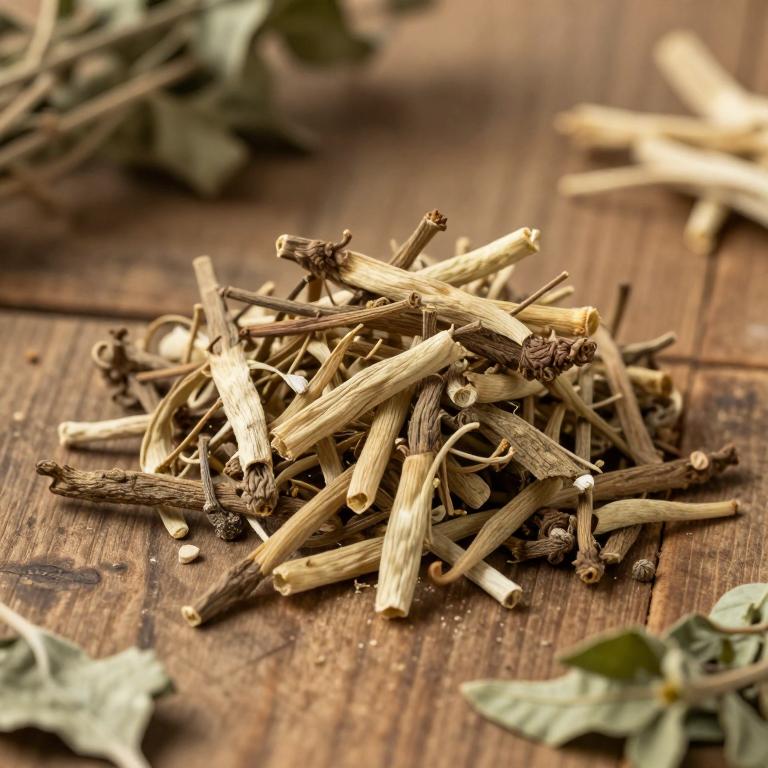
Codonopsis pilosula subsp. pilosula is a specialized medicinal plant highly valued for its unique chemical profile. Researchers often focus on the plant's roots, which serve as the primary source for various therapeutic applications. Significant interest lies in the analysis of volatile organic compounds emitted or contained within these specific plant parts. By examining the roots through different preparations, scientists can better understand the complex biological properties of this subspecies. This investigation into its chemical composition provides essential insights into its potential pharmacological benefits.
- Synonyms
- Codonopsis Glaberrima · Codonopsis Modesta · 5 more
- Common names
- Not available
- Family
- Campanulaceae
- Distribution
- Not available
- Plant Parts
- Root
Classification
Synonyms
Codonopsis pilosula subsp. pilosula is a botanical entity that has been documented under several different scientific names throughout history. Due to taxonomic shifts, it is recognized by various synonyms, including the names Codonopsis glaberrima and Codonopsis modesta. Researchers also frequently refer to this subspecies using the designations Codonopsis pilosula var. glaberrima and Codonopsis pilosula var. modesta. Furthermore, the plant is associated with the specific variety known as Codonopsis pilosula var. volubilis. Understanding these overlapping nomenclatures is essential for maintaining accuracy in botanical studies and herbarium records.
Sources: The World Checklist of Vascular Plants (WCVP)
Taxonomy
Codonopsis pilosula subsp. pilosula is a distinctive botanical specimen belonging to the kingdom Plantae. Within this vast biological realm, it is specifically classified under the class Equisetopsida. The plant is further organized into the order Asterales, showcasing its evolutionary connections. It falls under the genus Codonopsis, which defines its unique morphological characteristics. Ultimately, this subspecies is a member of the diverse Campanulaceae family.
| Rank | Classification |
|---|---|
| Kingdom | Plantae |
| Phylum | Streptophyta |
| Class | Equisetopsida |
| Subclass | Magnoliidae |
| Order | Asterales |
| Family | Campanulaceae |
| Genus | Codonopsis |
Sources: The World Checklist of Vascular Plants (WCVP)
Distribution
Geographic Regions
Codonopsis pilosula subsp. pilosula is a plant species primarily distributed throughout the temperate regions of Asia. Within China, it maintains a broad presence that spans from the North-Central provinces to the South-Central areas. Its range also extends significantly into the Southeast region of the country. Furthermore, the subspecies can be found growing in the northern territories of Inner Mongolia and Manchuria. This wide distribution highlights the plant's ability to thrive across diverse Chinese landscapes.
Sources: The World Checklist of Vascular Plants (WCVP)
Identification
Biological Activities
Compounds
Conditions
Codonopsis pilosula subsp. pilosula faces significant postharvest challenges such as browning and softening of its roots. To address these issues, researchers investigated composite treatments to improve the plant's physiological quality during storage. These preservative methods effectively manage the endophytic bacterial community by reducing the abundance of spoilage bacteria like Pseudomonas. Additionally, such treatments help to inhibit spoilage caused by microbial contamination. Ultimately, these interventions ensure that the plant maintains its optimal quality and flavor for extended periods.
Preparations
Codonopsis pilosula subsp. pilosula is prepared as roots for medicinal and edible use. These roots are susceptible to softening, browning, and spoilage following concentrated harvesting in the Gansu Province. To address these challenges, researchers have studied how combined preservatives like chitosan, natamycin, and modified atmosphere agents can preserve their quality. Applying these treatments during low-temperature storage helps maintain the physiological state and antioxidant capacity of the roots. Ultimately, this preparation method ensures the roots retain their flavor and resist microbial contamination for extended periods.
Parts used
Codonopsis pilosula subsp. pilosula is a highly valued medicinal and edible plant known specifically for its use of the root. Because these harvested roots are prone to softening and spoilage, maintaining their physiological quality during storage is a significant challenge. Recent research suggests that a combination of chitosan, natamycin, and modified atmosphere packaging can effectively extend their shelf life. This synergistic treatment helps preserve essential components and antioxidant capacity while reducing the growth of spoilage bacteria. Ultimately, such preservation methods allow the roots to maintain their optimal flavor and quality for up to 100 days under low-temperature conditions.