Coccinia
Coccinia · Accepted scientific name
Scientific literature: Very Sparse (1 studies) · ★☆☆☆☆
Coccinia is a versatile climbing plant that holds significant interest within the field of ethnobotany. Researchers have focused extensively on the therapeutic potential of the plant's foliage to uncover its medicinal properties. Specifically, studies have investigated the leaf extract to determine its chemical composition and biological effects. These investigations have revealed that the plant possesses notable antioxidant activities. Such findings highlight the importance of Coccinia as a potential natural source for combating oxidative stress.
- Synonyms
- Physedra · Staphylosyce · 1 more
- Common names
- Not available
- Family
- Cucurbitaceae
- Distribution
- Southern America
- Plant Parts
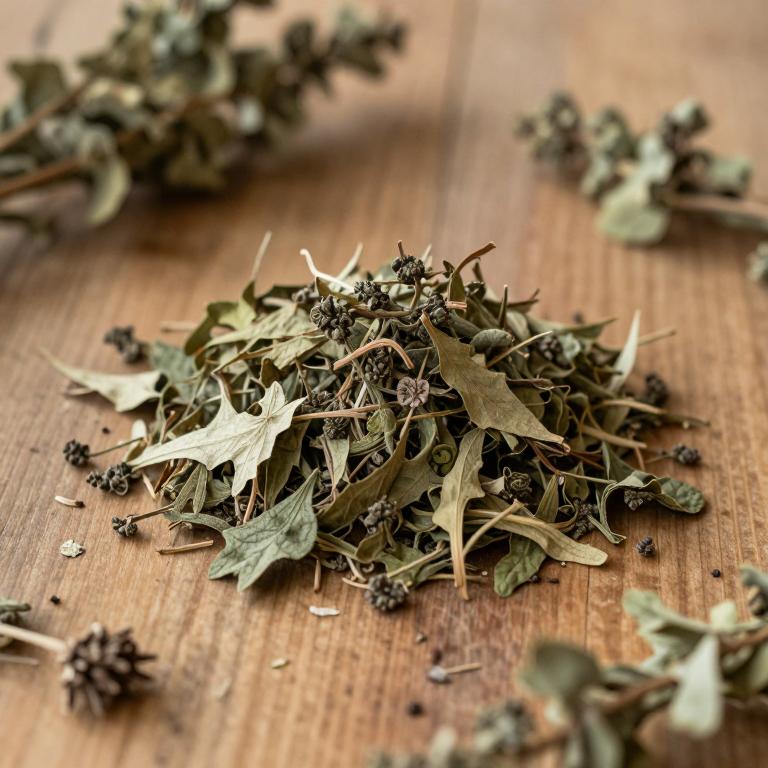
- Leaf
Classification
Common Names
Coccinia is a versatile plant known by a wide variety of names depending on the region and language. It is frequently referred to by its common names, such as Bushpumpkins or simply Coccinias. Many gardeners and enthusiasts also recognize this species as Scarlet Gourds due to its striking appearance. In certain linguistic contexts, it may even be called Scharlakansgurkssläktet. Ultimately, whether you call it coccinia or one of its many aliases, this plant remains a distinct and fascinating member of its genus.
Sources: Catalogue of Life (COL)
Synonyms
Coccinia is a genus of plants that has historically been associated with several different botanical names. Throughout various taxonomic studies, the name Cephalandra has been recognized as a formal synonym for this group. Additionally, researchers have frequently utilized the synonym Physedra when classifying these specific species. The genus is also linked to the name Staphylosyce in older botanical literature. Understanding these overlapping relationships is essential for navigating the complex history of plant nomenclature.
Sources: The World Checklist of Vascular Plants (WCVP)
Taxonomy
Coccinia is a fascinating member of the kingdom Plantae that showcases the diverse beauty of the natural world. Within this vast kingdom, the plant is classified under the class Equisetopsida. It belongs to the specific order Cucurbitales, which helps scientists understand its evolutionary lineage. Furthermore, it is nested within the family Cucurbitaceae, grouping it with other well-known climbing vines. Ultimately, this plant is defined by its unique identity within the genus Coccinia.
| Rank | Classification |
|---|---|
| Kingdom | Plantae |
| Phylum | Streptophyta |
| Class | Equisetopsida |
| Subclass | Magnoliidae |
| Order | Cucurbitales |
| Family | Cucurbitaceae |
| Genus | Coccinia |
Sources: The World Checklist of Vascular Plants (WCVP)
Distribution
Geographic Regions
Coccinia displays a broad geographic presence across the African continent, particularly within the diverse landscapes of East Tropical Africa. This plant is widely distributed throughout Kenya, Tanzania, and Uganda, thriving in their unique regional climates. Beyond the eastern regions, its range extends into Northeast Tropical Africa, establishing itself in environments such as Chad. Additionally, the species can be found growing in Djibouti, demonstrating its adaptability to various habitats. Together, these locations highlight the significant ecological footprint of Coccinia across much of the African interior.
Sources: The World Checklist of Vascular Plants (WCVP)
Identification
Biological Activities
Coccinia grandis leaf extract demonstrates significant antioxidant activity that can play a vital role in the wound healing process. By acting as a proton donor, the extract effectively neutralizes reactive oxygen species and reduces oxidative stress. This scavenging ability helps protect essential human fibroblasts and keratinocytes from damage caused by hydrogen peroxide. Furthermore, the extract's capacity to chelate iron contributes to its overall protective properties in cellular environments. These findings suggest that Coccinia could serve as a potent herbal ingredient for advanced skincare and wound care products.
Compounds
Conditions
Preparations
Coccinia grandis is prepared as a leaf extract to investigate its therapeutic potential in accelerating wound healing. This specific preparation is utilized to evaluate the plant's radical scavenging properties and its ability to mitigate oxidative stress. By processing the leaves into an extract, researchers can demonstrate its capacity to neutralize reactive oxygen species and chelate iron. The resulting leaf extract also serves to protect human fibroblasts and keratinocytes, thereby increasing cell survival rates. Consequently, this prepared extract acts as a functional herbal ingredient that enhances cell migration during the healing process.
Parts used
Coccinia grandis is a medicinal plant that has been utilized since ancient times to soothe the itching and swelling caused by insect bites. Recent scientific investigations have focused specifically on the therapeutic potential found within the Coccinia leaf. By utilizing the leaf extract, researchers discovered significant antioxidant properties that help neutralize reactive oxygen species. These findings demonstrate that the extract can protect human skin cells from oxidative stress while simultaneously enhancing cell migration. Ultimately, the bioactive components of the Coccinia leaf may serve as a powerful natural ingredient for accelerating the wound healing process in skincare products.