Clusia lechleri
Clusia lechleri · Accepted scientific name
Scientific literature: Very Sparse (1 studies) · ★☆☆☆☆
Clusia lechleri, scientifically known as Clusia lechleri, is a remarkable medicinal plant native to tropical rainforests. Renowned for its potent bioactive compounds, it has been traditionally utilized to treat various ailments, including skin infections and inflammation. Exploring its unique chemical properties offers promising potential for modern pharmacological advancements.
- Family
- Clusiaceae
- Native range
- Southern America
- Parts used
- Not available
- Common names
- Not available
- Scientific synonyms
- Not available
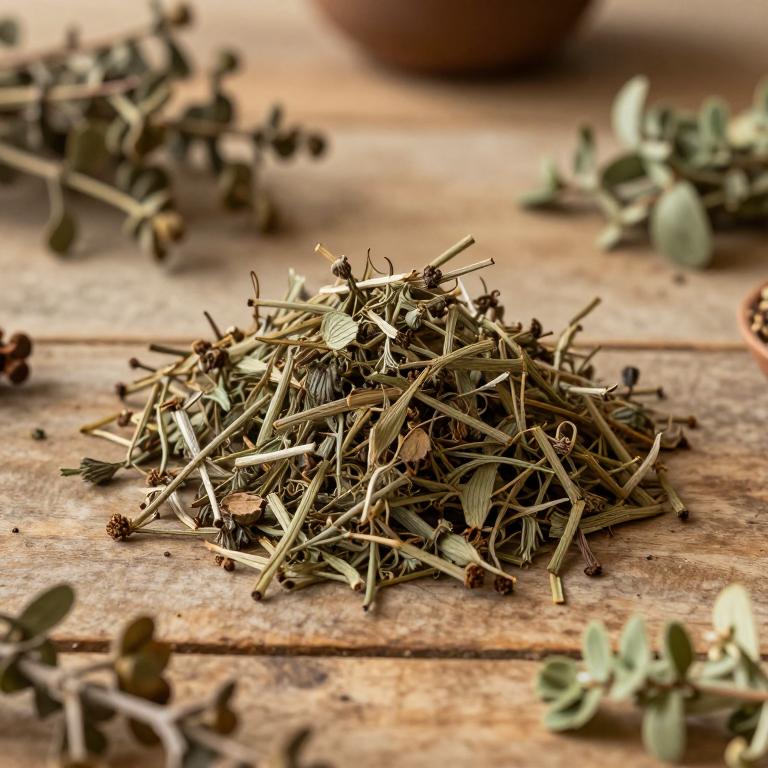
Names and Synonyms
Scientific Names
Accepted name
Clusia lechleriSources: Wikidata, Catalogue of Life
Taxonomical Classification
This plant belongs to the kingdom Plantae and is classified under the phylum Streptophyta and class Equisetopsida. Within the subclass Magnoliidae, it follows the order Malpighiales and is a member of the family Clusiaceae. Specifically, it is identified by the genus Clusia.
| Rank | Classification |
|---|---|
| Kingdom | Plantae |
| Phylum | Streptophyta |
| Class | Equisetopsida |
| Subclass | Magnoliidae |
| Order | Malpighiales |
| Family | Clusiaceae |
| Genus | Clusia |
Sources: The World Checklist of Vascular Plants (WCVP)
Distribution
This plant, known scientifically as Clusia lechleri, possesses a very specific and limited range of occurrence. Its natural habitat is confined to the unique landscapes of Western South America. Within this vast continent, the species is specifically documented in the nation of Bolivia. Because its presence is so localized, the plant is considered rare in terms of its global footprint. Understanding this precise geographical distribution is essential for the conservation of the species.
| Region | Area |
|---|---|
| Western South America | Bolivia |
Sources: The World Checklist of Vascular Plants (WCVP)
Botanical Identification
Ecology
The ecology of Clusia lechleri is characterized by its specific adaptation to montane environments, where it thrives within a defined altitudinal niche. This species is typically found across an elevational range that begins at 1,150 m AMSL and extends up to a maximum of 1,810 m AMSL. Occupying these mid-to-high altitude tropical zones, the plant is integrated into ecosystems defined by these specific topographic gradients, where temperature, humidity, and atmospheric pressure fluctuate within the parameters of these elevations. Its presence within this 660-meter vertical span indicates a specialized tolerance for the environmental conditions found in these specific cloud forest or montane forest strata.
- Elevational range max:
- 1810 m AMSL
- Elevational range min:
- 1150 m AMSL
Morphology
The morphology of Clusia lechleri is characterized by a woody growth form, specifically manifesting as a self-supporting tree. This species is terrestrial in its habitat, neither aquatic nor semiaquatic, and functions as an independent organism without any parasitic tendencies. It does not exhibit epiphytic behavior, maintaining a strictly terrestrial existence. In terms of stature, the plant reaches a maximum height of approximately 5 meters, supported by a robust, woody structure.
- Aquatic :
- terrestrial
- Climber :
- self-supporting
- Epiphyte :
- terrestrial
- Growth form :
- tree
- Parasite :
- independent
- Plant height max:
- 5 m
- Woodiness :
- woody
Sources: Global Inventory of Floras and Traits (GIFT)
Activities
Clusia lechleri has 1 reported activities identified across 0 scientific publications and several other databases. The most consistently reported activities include Antiinflammatory.
| Activity | Supporting sources | Consensus |
|---|---|---|
| Antiinflammatory | 1 supporting sources | ★☆☆☆☆ |
Antiinflammatory
- Phytotherapy research : PTR