Clinopodium suaveolens
Clinopodium suaveolens · Accepted scientific name
Scientific literature: Very Extensive (482 studies) · ★★★★★
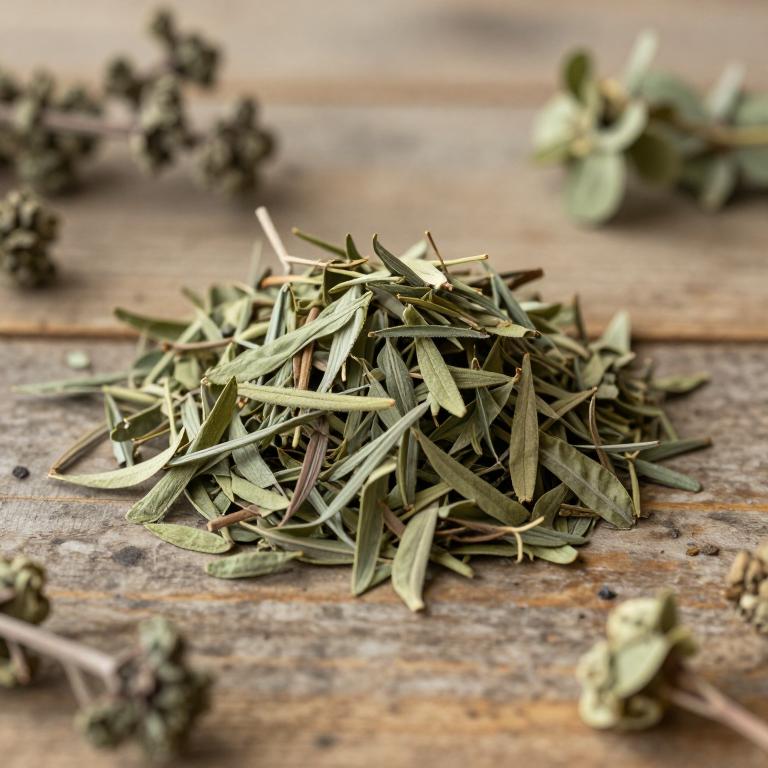
Commonly referred to as sweet marjoram, scientifically known as Clinopodium suaveolens, is a fragrant aromatic herb valued in traditional medicine. Renowned for its potent essential oils, this plant offers significant antioxidant and antimicrobial properties. It is frequently utilized to support digestive health and alleviate various inflammatory conditions naturally.
- Family
- Not available
- Native range
- Europe
- Parts used
- Not available
- Common names
- Not available
- Scientific synonyms
- Not available
Names and Synonyms
Scientific Names
Accepted name
Clinopodium suaveolensDistribution
This plant, known as Clinopodium suaveolens, is primarily found throughout various regions of Southeastern Europe. Its distribution includes several Mediterranean and Balkan countries such as Albania and Bulgaria. Furthermore, the species is commonly documented growing within the borders of Greece. It also extends its presence into the southern reaches of Italy. Finally, the geographical range of this medicinal plant encompasses the territory of Romania.
| Region | Area |
|---|---|
| Southeastern Europe | Albania |
| Southeastern Europe | Bulgaria |
| Southeastern Europe | Greece |
| Southeastern Europe | Italy |
| Southeastern Europe | Romania |
| Southeastern Europe | Türkiye-in-Europe |
| Western Asia | East Aegean Is. |
| Western Asia | Türkiye |
Sources: The World Checklist of Vascular Plants (WCVP)
Botanical Identification
Life history
The life history of Clinopodium suaveolens is characterized by its specific survival strategies and growth forms, primarily functioning as a hemicryptophyte. This classification indicates that its perennating buds are located at or just below the soil surface, protected by a layer of leaf litter or organic debris during unfavorable seasons. Additionally, the plant exhibits a chamaephyte life form, meaning its permanent shoots are kept close to the ground, typically not exceeding a height of 25 to 30 centimeters, which allows it to thrive in open, sunny environments where it can avoid excessive wind or environmental stress. Through these combined strategies, the species effectively manages its seasonal cycles, ensuring persistence in its native habitats.
- Life form :
- chamaephyte
- Life form :
- hemicryptophyte
Morphology
The morphology of Clinopodium suaveolens is characterized by its diverse habitat adaptability and growth habits. The plant exhibits a versatile ecological range, functioning across aquatic, semiaquatic, and terrestrial environments. In terms of its structural development, it is a self-supporting plant rather than an obligatory or facultative climber, maintaining its own posture through its stem architecture. Furthermore, it is an independent organism, lacking any parasitic tendencies, and it maintains a terrestrial existence rather than acting as an obligatory or facultative epiphyte.
- Aquatic :
- terrestrial
- Climber :
- self-supporting
- Epiphyte :
- terrestrial
- Parasite :
- independent
Sources: Global Inventory of Floras and Traits (GIFT)
Chemicals
Clinopodium suaveolens has 55 reported phytochemicals identified across 0 scientific publications and several other databases. The most consistently reported chemicals include 1,8-Cineol, 1,8-Cineole, 1-HEXEN-3-OL, 2-ethyl cyclobutanol, 3-METHYL CYCLOHEXANONE.
| Chemical | Supporting sources | Consensus |
|---|---|---|
| 1,8-Cineol | 1 supporting sources | ★☆☆☆☆ |
| 1,8-Cineole | 1 supporting sources | ★☆☆☆☆ |
| 1-HEXEN-3-OL | 1 supporting sources | ★☆☆☆☆ |
| 2-ethyl cyclobutanol | 1 supporting sources | ★☆☆☆☆ |
| 3-METHYL CYCLOHEXANONE | 1 supporting sources | ★☆☆☆☆ |
| ALPHA-PINENE | 1 supporting sources | ★☆☆☆☆ |
| BETA-PINENE | 1 supporting sources | ★☆☆☆☆ |
| Borneol | 1 supporting sources | ★☆☆☆☆ |
| CAMPHENE | 1 supporting sources | ★☆☆☆☆ |
| CARVACROL | 1 supporting sources | ★☆☆☆☆ |
1,8-Cineol
- Dr. Duke
1,8-Cineole
- Dr. Duke
1-HEXEN-3-OL
- Dr. Duke
2-ethyl cyclobutanol
- Dr. Duke
3-METHYL CYCLOHEXANONE
- Dr. Duke
ALPHA-PINENE
- Dr. Duke
BETA-PINENE
- Dr. Duke
Borneol
- Dr. Duke
CAMPHENE
- Dr. Duke
CARVACROL
- Dr. Duke
Activities
Clinopodium suaveolens has 425 reported activities identified across 0 scientific publications and several other databases. The most consistently reported activities include (-)-Chronotropic, (-)-Inotropic, 11B-HSD-Inhibitor, 5-Lipoxygenase-Inhibitor, ACE-Inhibitor.
| Activity | Supporting sources | Consensus |
|---|---|---|
| (-)-Chronotropic | 1 supporting sources | ★☆☆☆☆ |
| (-)-Inotropic | 1 supporting sources | ★☆☆☆☆ |
| 11B-HSD-Inhibitor | 1 supporting sources | ★☆☆☆☆ |
| 5-Lipoxygenase-Inhibitor | 1 supporting sources | ★☆☆☆☆ |
| ACE-Inhibitor | 1 supporting sources | ★☆☆☆☆ |
| AChE-Inhibitor | 1 supporting sources | ★☆☆☆☆ |
| ATPase-Inhibitor | 1 supporting sources | ★☆☆☆☆ |
| Acaricide | 1 supporting sources | ★☆☆☆☆ |
| Acidulant | 1 supporting sources | ★☆☆☆☆ |
| Aldehyde-Oxidase-Inhibitor | 1 supporting sources | ★☆☆☆☆ |
(-)-Chronotropic
- Dr. Duke
(-)-Inotropic
- Dr. Duke
11B-HSD-Inhibitor
- Dr. Duke
5-Lipoxygenase-Inhibitor
- Dr. Duke
ACE-Inhibitor
- Dr. Duke
AChE-Inhibitor
- Dr. Duke
ATPase-Inhibitor
- Dr. Duke
Acaricide
- Dr. Duke
Acidulant
- Dr. Duke
Aldehyde-Oxidase-Inhibitor
- Dr. Duke