Clinopodium serpyllifolium subsp. fruticosum
Clinopodium serpyllifolium subsp. fruticosum · Accepted scientific name
Scientific literature: Very Extensive (316 studies) · ★★★★★
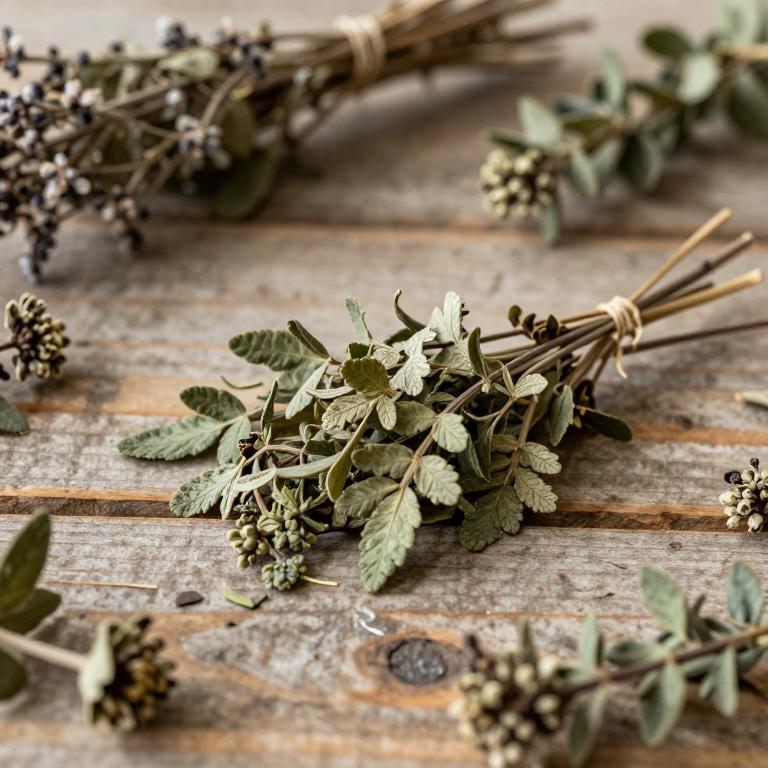
, scientifically known as Clinopodium serpyllifolium subsp. fruticosum, is a resilient perennial shrub prized in traditional herbalism. Belonging to the Lamiaceae family, this aromatic plant possesses potent antimicrobial and antioxidant properties. It is widely utilized in folk medicine to support digestive health, alleviate respiratory discomfort, and reduce inflammation.
- Family
- Not available
- Native range
- Europe
- Parts used
- Not available
- Common names
- Not available
- Scientific synonyms
- Not available
Names and Synonyms
Scientific Names
Accepted name
Clinopodium serpyllifolium subsp. fruticosumSources: Wikidata
Distribution
This plant exhibits a very specific and limited geographical distribution across the European continent. Its presence is primarily recorded within the region of Southwestern Europe. Specifically, the subspecies fruticosum can be found growing in the country of Spain. Because its range is so localized, it is considered a niche species within its habitat. This restricted occurrence makes understanding its specific environmental needs essential for its conservation.
| Region | Area |
|---|---|
| Southwestern Europe | Spain |
Sources: The World Checklist of Vascular Plants (WCVP)
Chemicals
Clinopodium serpyllifolium subsp. fruticosum has 64 reported phytochemicals identified across 0 scientific publications and several other databases. The most consistently reported chemicals include (E)-beta-ocimene, (Z)-3-HEXENOL, 1,8-Cineole, 1-OCTEN-3-OL, 2,5-DIHYDROFURAN.
| Chemical | Supporting sources | Consensus |
|---|---|---|
| (E)-beta-ocimene | 1 supporting sources | ★☆☆☆☆ |
| (Z)-3-HEXENOL | 1 supporting sources | ★☆☆☆☆ |
| 1,8-Cineole | 1 supporting sources | ★☆☆☆☆ |
| 1-OCTEN-3-OL | 1 supporting sources | ★☆☆☆☆ |
| 2,5-DIHYDROFURAN | 1 supporting sources | ★☆☆☆☆ |
| 2,5-diethyl tetrahydrofuran | 1 supporting sources | ★☆☆☆☆ |
| 3-OCTANOL | 1 supporting sources | ★☆☆☆☆ |
| 3-Octanone | 1 supporting sources | ★☆☆☆☆ |
| ALPHA-PINENE | 1 supporting sources | ★☆☆☆☆ |
| ALPHA-THUJENE | 1 supporting sources | ★☆☆☆☆ |
(E)-beta-ocimene
- Dr. Duke
(Z)-3-HEXENOL
- Dr. Duke
1,8-Cineole
- Dr. Duke
1-OCTEN-3-OL
- Dr. Duke
2,5-DIHYDROFURAN
- Dr. Duke
2,5-diethyl tetrahydrofuran
- Dr. Duke
3-OCTANOL
- Dr. Duke
3-Octanone
- Dr. Duke
ALPHA-PINENE
- Dr. Duke
ALPHA-THUJENE
- Dr. Duke
Activities
Clinopodium serpyllifolium subsp. fruticosum has 248 reported activities identified across 0 scientific publications and several other databases. The most consistently reported activities include (-)-Chronotropic, (-)-Inotropic, ACE-Inhibitor, AChE-Inhibitor, Abortifacient.
| Activity | Supporting sources | Consensus |
|---|---|---|
| (-)-Chronotropic | 1 supporting sources | ★☆☆☆☆ |
| (-)-Inotropic | 1 supporting sources | ★☆☆☆☆ |
| ACE-Inhibitor | 1 supporting sources | ★☆☆☆☆ |
| AChE-Inhibitor | 1 supporting sources | ★☆☆☆☆ |
| Abortifacient | 1 supporting sources | ★☆☆☆☆ |
| Acaricide | 1 supporting sources | ★☆☆☆☆ |
| Addictive | 1 supporting sources | ★☆☆☆☆ |
| Aldose-Reductase-Inhibitor | 1 supporting sources | ★☆☆☆☆ |
| Allelochemic | 1 supporting sources | ★☆☆☆☆ |
| Allelopathic | 1 supporting sources | ★☆☆☆☆ |
(-)-Chronotropic
- Dr. Duke
(-)-Inotropic
- Dr. Duke
ACE-Inhibitor
- Dr. Duke
AChE-Inhibitor
- Dr. Duke
Abortifacient
- Dr. Duke
Acaricide
- Dr. Duke
Addictive
- Dr. Duke
Aldose-Reductase-Inhibitor
- Dr. Duke
Allelochemic
- Dr. Duke
Allelopathic
- Dr. Duke