Clinopodium macranthum
Clinopodium macranthum · Accepted scientific name
Scientific literature: Very Sparse (4 studies) · ★☆☆☆☆
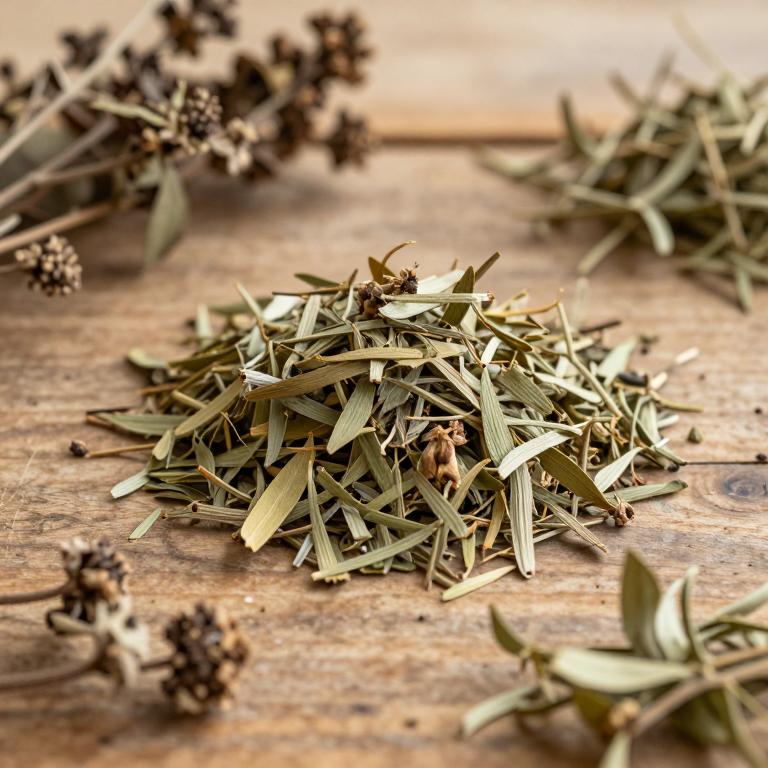
Clinopodium macranthum, is a remarkable medicinal plant belonging to the Lamiaceae family. Renowned for its aromatic properties, it features vibrant blooms and potent essential oils. Traditionally utilized in various herbal remedies, this species offers significant therapeutic potential, making it a subject of great interest for pharmacological and botanical research.
- Family
- Lamiaceae
- Native range
- Asia-Temperate
- Parts used
- Not available
- Common names
- Not available
- Scientific synonyms
- Satureja Macrantha · Clinopodium Chinense Var. Macranthum
Names and Synonyms
Scientific Names
Accepted name
Clinopodium macranthumSynonyms
- Satureja macrantha
- Clinopodium chinense var. macranthum
Sources: Wikidata, Catalogue of Life
Taxonomical Classification
This plant, Clinopodium macranthum, belongs to the kingdom Plantae and the phylum Streptophyta. Within the class Equisetopsida and subclass Magnoliidae, it is classified under the order Lamiales and the family Lamiaceae. It is specifically identified by the genus Clinopodium.
| Rank | Classification |
|---|---|
| Kingdom | Plantae |
| Phylum | Streptophyta |
| Class | Equisetopsida |
| Subclass | Magnoliidae |
| Order | Lamiales |
| Family | Lamiaceae |
| Genus | Clinopodium |
Sources: The World Checklist of Vascular Plants (WCVP)
Distribution
This plant exhibits a very specific and localized geographical range. Its natural distribution is primarily concentrated within the region of Eastern Asia. Specifically, the species can be found growing in the wild across Japan. Because its occurrence is limited to this area, it is considered an endemic or regional component of the local flora. Therefore, researchers looking for this medicinal species should focus their studies within the Japanese archipelago.
| Region | Area |
|---|---|
| Eastern Asia | Japan |
Sources: The World Checklist of Vascular Plants (WCVP)
Botanical Identification
Life history
The life history of Clinopodium macranthum is characterized by its classification as a hemicryptophyte, a life form where the perennating buds are located at or just below the soil surface, protected by leaf litter or ground debris during unfavorable periods. Specifically, within the broader botanical categorization of growth forms, it is identified as a hemicryptophyte, distinguishing it from other life forms such as phanerophytes, chamaephytes, cryptophytes, or therophytes. This life history strategy allows the plant to persist through seasonal changes by sheltering its regenerative structures at the soil-plant interface, ensuring survival and regrowth when environmental conditions become favorable.
- Life form :
- hemicryptophyte
Morphology
The morphology of Clinopodium macranthum is characterized by its growth form as a non-woody herb, exhibiting a structure that is fundamentally self-supporting rather than functioning as a liana, vine, or obligatory climber. It is a terrestrial plant, lacking aquatic or semiaquatic tendencies, and it does not exhibit epiphytic behavior, instead maintaining a terrestrial existence. Furthermore, the plant is an independent organism, showing no parasitic traits, and its physical constitution is entirely non-woody.
- Aquatic :
- terrestrial
- Climber :
- self-supporting
- Epiphyte :
- terrestrial
- Growth form :
- herb
- Parasite :
- independent
- Woodiness :
- non-woody
Sources: Global Inventory of Floras and Traits (GIFT)
Chemicals
Clinopodium macranthum has 3 reported phytochemicals identified across 0 scientific publications and several other databases. The most consistently reported chemicals include CARVACROL, P-CYMENE, THYMOL.
| Chemical | Supporting sources | Consensus |
|---|---|---|
| CARVACROL | 1 supporting sources | ★☆☆☆☆ |
| P-CYMENE | 1 supporting sources | ★☆☆☆☆ |
| THYMOL | 1 supporting sources | ★☆☆☆☆ |
CARVACROL
- Foods (Basel, Switzerland)
P-CYMENE
- Foods (Basel, Switzerland)
THYMOL
- Foods (Basel, Switzerland)
Activities
Clinopodium macranthum has 1 reported activities identified across 0 scientific publications and several other databases. The most consistently reported activities include Antibacterial.
| Activity | Supporting sources | Consensus |
|---|---|---|
| Antibacterial | 1 supporting sources | ★☆☆☆☆ |
Antibacterial
- Foods (Basel, Switzerland)
Preparations
Clinopodium macranthum has 1 reported preparations identified across 0 scientific publications and several other databases. The most consistently reported preparations include Essential oils.
| Preparation | Supporting sources | Consensus |
|---|---|---|
| Essential oils | 1 supporting sources | ★☆☆☆☆ |
Essential oils
- Foods (Basel, Switzerland)