Clinopodium douglasii
Clinopodium douglasii · Accepted scientific name
Scientific literature: Very Extensive (251 studies) · ★★★★★
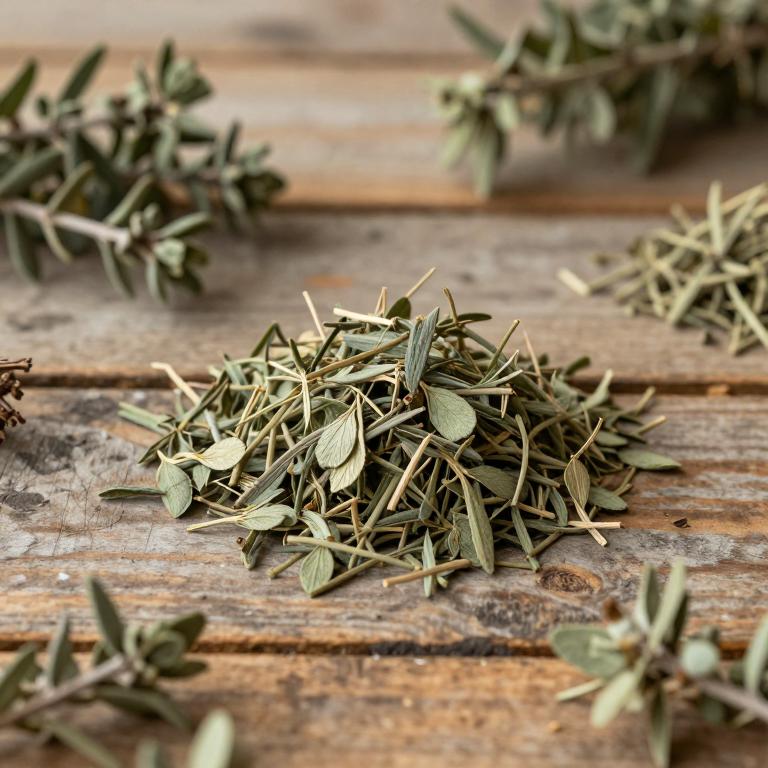
, scientifically known as Clinopodium douglasii, is a fragrant, aromatic herb belonging to the Lamiaceae family. Often found in moist, mountainous regions, this plant is valued for its essential oils. Traditionally, it has been utilized in folk medicine for its potential antimicrobial, digestive, and soothing properties in various herbal remedies.
- Family
- Not available
- Native range
- Northern America
- Parts used
- Not available
- Common names
- Not available
- Scientific synonyms
- Not available
Names and Synonyms
Scientific Names
Accepted name
Clinopodium douglasiiDistribution
This plant exhibits a broad distribution across several distinct northern regions. In Subarctic America, its presence is documented within the state of Alaska. Moving southward, it is commonly found throughout the province of British Columbia in Western Canada. The species also populates various areas of the Northwestern United States, specifically within the states of Idaho and Montana. Finally, its geographical range extends into the region of Oregon.
| Region | Area |
|---|---|
| Subarctic America | Alaska |
| Western Canada | British Columbia |
| Northwestern U.S.A. | Idaho |
| Northwestern U.S.A. | Montana |
| Northwestern U.S.A. | Oregon |
| Northwestern U.S.A. | Washington |
| Southwestern U.S.A. | California |
Sources: The World Checklist of Vascular Plants (WCVP)
Chemicals
Clinopodium douglasii has 32 reported phytochemicals identified across 0 scientific publications and several other databases. The most consistently reported chemicals include 1,8-Cineole, ALPHA-PINENE, Alpha terpinene, BETA-PINENE, Bicyclogermacrene.
| Chemical | Supporting sources | Consensus |
|---|---|---|
| 1,8-Cineole | 1 supporting sources | ★☆☆☆☆ |
| ALPHA-PINENE | 1 supporting sources | ★☆☆☆☆ |
| Alpha terpinene | 1 supporting sources | ★☆☆☆☆ |
| BETA-PINENE | 1 supporting sources | ★☆☆☆☆ |
| Bicyclogermacrene | 1 supporting sources | ★☆☆☆☆ |
| Borneol | 1 supporting sources | ★☆☆☆☆ |
| CAMPHENE | 1 supporting sources | ★☆☆☆☆ |
| CARVONE | 1 supporting sources | ★☆☆☆☆ |
| Caryophyllene | 1 supporting sources | ★☆☆☆☆ |
| DELTA-CADINENE | 1 supporting sources | ★☆☆☆☆ |
1,8-Cineole
- Dr. Duke
ALPHA-PINENE
- Dr. Duke
Alpha terpinene
- Dr. Duke
BETA-PINENE
- Dr. Duke
Bicyclogermacrene
- Dr. Duke
Borneol
- Dr. Duke
CAMPHENE
- Dr. Duke
CARVONE
- Dr. Duke
Caryophyllene
- Dr. Duke
DELTA-CADINENE
- Dr. Duke
Activities
Clinopodium douglasii has 219 reported activities identified across 0 scientific publications and several other databases. The most consistently reported activities include (-)-Chronotropic, (-)-Inotropic, ACE-Inhibitor, AChE-Inhibitor, Acaricide.
| Activity | Supporting sources | Consensus |
|---|---|---|
| (-)-Chronotropic | 1 supporting sources | ★☆☆☆☆ |
| (-)-Inotropic | 1 supporting sources | ★☆☆☆☆ |
| ACE-Inhibitor | 1 supporting sources | ★☆☆☆☆ |
| AChE-Inhibitor | 1 supporting sources | ★☆☆☆☆ |
| Acaricide | 1 supporting sources | ★☆☆☆☆ |
| Aldose-Reductase-Inhibitor | 1 supporting sources | ★☆☆☆☆ |
| Allelochemic | 1 supporting sources | ★☆☆☆☆ |
| Allelopathic | 1 supporting sources | ★☆☆☆☆ |
| Allergenic | 1 supporting sources | ★☆☆☆☆ |
| Analgesic | 1 supporting sources | ★☆☆☆☆ |
(-)-Chronotropic
- Dr. Duke
(-)-Inotropic
- Dr. Duke
ACE-Inhibitor
- Dr. Duke
AChE-Inhibitor
- Dr. Duke
Acaricide
- Dr. Duke
Aldose-Reductase-Inhibitor
- Dr. Duke
Allelochemic
- Dr. Duke
Allelopathic
- Dr. Duke
Allergenic
- Dr. Duke
Analgesic
- Dr. Duke