Clinopodium dalmaticum
Clinopodium dalmaticum · Accepted scientific name
Scientific literature: Sparse (77 studies) · ★★☆☆☆
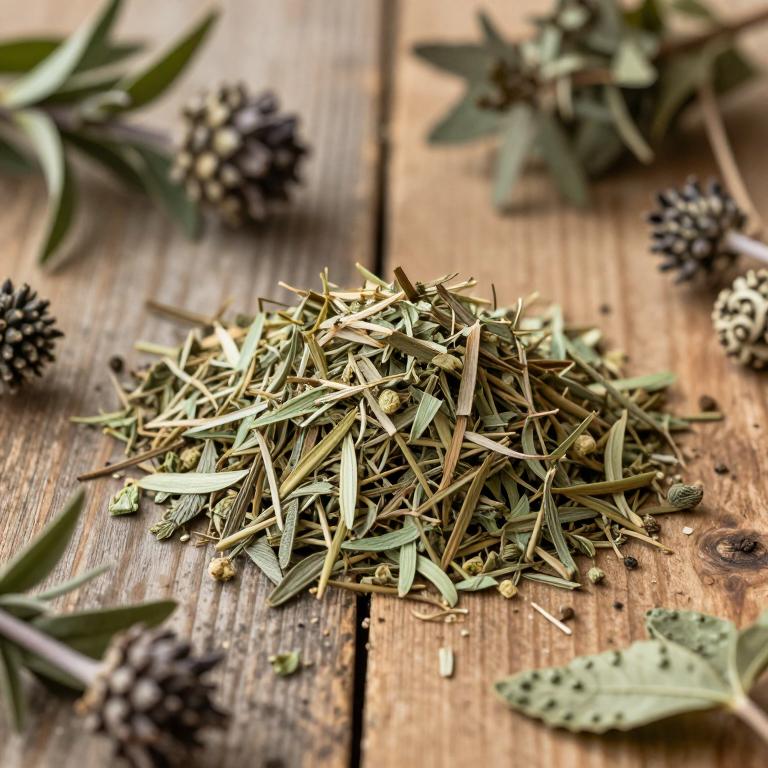
, scientifically known as Clinopodium dalmaticum, is a versatile medicinal herb cherished in traditional healing practices. Renowned for its aromatic properties, this plant is frequently utilized to treat digestive ailments, respiratory issues, and skin inflammations. Its unique phytochemical profile offers significant therapeutic potential for modern pharmacological research and wellness.
- Family
- Not available
- Native range
- Europe
- Parts used
- Not available
- Common names
- Not available
- Scientific synonyms
- Not available
Names and Synonyms
Scientific Names
Accepted name
Clinopodium dalmaticumDistribution
This plant, Clinopodium dalmaticum, exhibits a specific geographical distribution concentrated within the Southeastern European region. It can be found growing naturally throughout the country of Bulgaria. Additionally, the species is documented across various terrains in Greece. Its presence is also notable within the Northwest Balkan Peninsula. These locations define the primary natural range for this particular medicinal species.
| Region | Area |
|---|---|
| Southeastern Europe | Bulgaria |
| Southeastern Europe | Greece |
| Southeastern Europe | NW. Balkan Pen. |
Sources: The World Checklist of Vascular Plants (WCVP)
Botanical Identification
Life history
The life history of Clinopodium dalmaticum is characterized by its specific growth habit and survival strategies, classified fundamentally as a chamaephyte. Within the diverse spectrum of plant life forms, it aligns with the chamaephyte category, meaning its perennating buds are located close to the soil surface, typically protected by a layer of leaf litter or snow. This positioning allows the plant to endure varying environmental conditions while maintaining the ability to regenerate during favorable growing seasons. Its biological structure is further detailed through its classification as a nanophanerophyte, a sub-type within the chamaephyte framework that indicates its relatively low-growing, shrubby stature. This life history pattern ensures that the plant can effectively occupy its niche by balancing low-profile resilience with the capacity for seasonal vegetative expansion.
- Life form :
- chamaephyte
Morphology
The morphology of Clinopodium dalmaticum is characterized by its growth habit and ecological positioning, functioning primarily as a terrestrial plant that can transition through aquactic, semiaquatic, and terrestrial environments. It is a self-supporting species rather than an obligatory or facultative climber, maintaining its structure without the need for external support. Furthermore, the plant is entirely independent, lacking any parasitic relationship as an obligatory or facultative parasite. In terms of its spatial niche, it is strictly terrestrial, showing no epiphytic tendencies as an obligatory or facultative epiphyte.
- Aquatic :
- terrestrial
- Climber :
- self-supporting
- Epiphyte :
- terrestrial
- Parasite :
- independent
Sources: Global Inventory of Floras and Traits (GIFT)
Chemicals
Clinopodium dalmaticum has 10 reported phytochemicals identified across 0 scientific publications and several other databases. The most consistently reported chemicals include ALPHA-PINENE, BETA-PINENE, CAMPHENE, EO, Isomenthone.
| Chemical | Supporting sources | Consensus |
|---|---|---|
| ALPHA-PINENE | 1 supporting sources | ★☆☆☆☆ |
| BETA-PINENE | 1 supporting sources | ★☆☆☆☆ |
| CAMPHENE | 1 supporting sources | ★☆☆☆☆ |
| EO | 1 supporting sources | ★☆☆☆☆ |
| Isomenthone | 1 supporting sources | ★☆☆☆☆ |
| MYRCENE | 1 supporting sources | ★☆☆☆☆ |
| P-CYMENE | 1 supporting sources | ★☆☆☆☆ |
| PIPERITONE | 1 supporting sources | ★☆☆☆☆ |
| Piperitenone | 1 supporting sources | ★☆☆☆☆ |
| Pulegone | 1 supporting sources | ★☆☆☆☆ |
ALPHA-PINENE
- Dr. Duke
BETA-PINENE
- Dr. Duke
CAMPHENE
- Dr. Duke
EO
- Dr. Duke
Isomenthone
- Dr. Duke
MYRCENE
- Dr. Duke
P-CYMENE
- Dr. Duke
PIPERITONE
- Dr. Duke
Piperitenone
- Dr. Duke
Pulegone
- Dr. Duke
Activities
Clinopodium dalmaticum has 67 reported activities identified across 0 scientific publications and several other databases. The most consistently reported activities include ACE-Inhibitor, AChE-Inhibitor, Aldose-Reductase-Inhibitor, Allelochemic, Allelopathic.
| Activity | Supporting sources | Consensus |
|---|---|---|
| ACE-Inhibitor | 1 supporting sources | ★☆☆☆☆ |
| AChE-Inhibitor | 1 supporting sources | ★☆☆☆☆ |
| Aldose-Reductase-Inhibitor | 1 supporting sources | ★☆☆☆☆ |
| Allelochemic | 1 supporting sources | ★☆☆☆☆ |
| Allelopathic | 1 supporting sources | ★☆☆☆☆ |
| Allergenic | 1 supporting sources | ★☆☆☆☆ |
| Analgesic | 1 supporting sources | ★☆☆☆☆ |
| Antiacetylcholinesterase | 1 supporting sources | ★☆☆☆☆ |
| Antiacne | 1 supporting sources | ★☆☆☆☆ |
| Antialzheimeran? | 1 supporting sources | ★☆☆☆☆ |
ACE-Inhibitor
- Dr. Duke
AChE-Inhibitor
- Dr. Duke
Aldose-Reductase-Inhibitor
- Dr. Duke
Allelochemic
- Dr. Duke
Allelopathic
- Dr. Duke
Allergenic
- Dr. Duke
Analgesic
- Dr. Duke
Antiacetylcholinesterase
- Dr. Duke
Antiacne
- Dr. Duke
Antialzheimeran?
- Dr. Duke
Preparations
Clinopodium dalmaticum has 3 reported preparations identified across 0 scientific publications and several other databases. The most consistently reported preparations include chloroform, methanol extracts, n-hexane.
| Preparation | Supporting sources | Consensus |
|---|---|---|
| Chloroform | 1 supporting sources | ★☆☆☆☆ |
| Methanol extracts | 1 supporting sources | ★☆☆☆☆ |
| N-hexane | 1 supporting sources | ★☆☆☆☆ |
Chloroform
- Journal of ethnopharmacology
Methanol extracts
- Journal of ethnopharmacology
N-hexane
- Journal of ethnopharmacology