Clinopodium congestum
Clinopodium congestum · Accepted scientific name
Scientific literature: Very Extensive (267 studies) · ★★★★★
, scientifically known as Clinopodium congestum, is a versatile medicinal herb belonging to the Lamiaceae family. Renowned for its aromatic properties, this plant is widely utilized in traditional medicine to treat various ailments. Its bioactive compounds offer significant therapeutic potential, particularly for their antimicrobial and anti-inflammatory healing qualities.
- Family
- Not available
- Native range
- Asia-Temperate
- Parts used
- Not available
- Common names
- Not available
- Scientific synonyms
- Not available
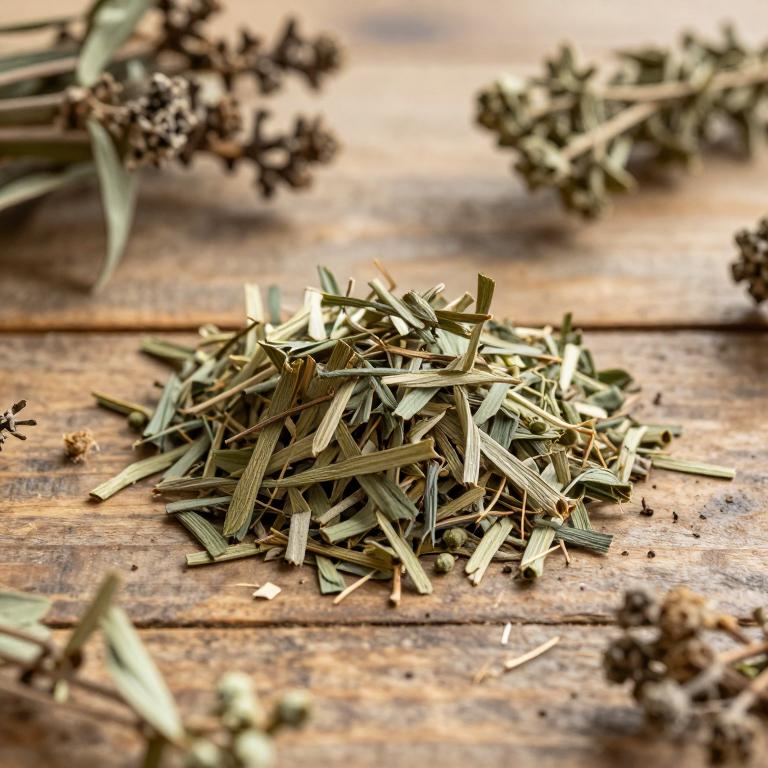
Names and Synonyms
Scientific Names
Accepted name
Clinopodium congestumDistribution
This plant, known scientifically as Clinopodium congestum, exhibits a very specific and limited geographical range. Its presence is primarily documented within the region of Western Asia. Specifically, the species is found native to the territory of Türkiye. Because of this localized occurrence, it is considered to have a restricted natural distribution. Understanding this specific habitat is essential for the study of its ecological requirements.
| Region | Area |
|---|---|
| Western Asia | Türkiye |
Sources: The World Checklist of Vascular Plants (WCVP)
Botanical Identification
Life history
The life history of Clinopodium congestum is characterized by its classification as a chamaephyte, a growth form where the majority of the plant's regenerative buds are located close to or just above the soil surface. Within the broader spectrum of plant life forms, it is specifically identified as a chamaephyte, which allows it to thrive in various ecological niches by protecting its vital structures from environmental stressors through its low-growing stature. This life strategy enables the plant to endure fluctuating conditions, utilizing its position near the ground to optimize resource acquisition while maintaining resilience against wind and temperature changes.
- Life form :
- chamaephyte
Morphology
The morphology of Clinopodium congestum is characterized by its specific growth habit and ecological positioning. It functions as a self-supporting climber, utilizing its structural form to ascend without requiring external hosts for physical stability. In terms of its nutritional strategy, the plant is entirely independent, functioning as a non-parasitic organism that does not rely on other living hosts for sustenance. Furthermore, its life cycle is strictly terrestrial, as it grows within the soil substrate rather than occupying an epiphytic niche.
- Climber :
- self-supporting
- Epiphyte :
- terrestrial
- Parasite :
- independent
Sources: Global Inventory of Floras and Traits (GIFT)
Chemicals
Clinopodium congestum has 39 reported phytochemicals identified across 0 scientific publications and several other databases. The most consistently reported chemicals include 1,8-Cineole, 1-OCTEN-3-OL, 2,5-diethyl tetrahydrofuran, 2-hexanal, 3-OCTANOL.
| Chemical | Supporting sources | Consensus |
|---|---|---|
| 1,8-Cineole | 1 supporting sources | ★☆☆☆☆ |
| 1-OCTEN-3-OL | 1 supporting sources | ★☆☆☆☆ |
| 2,5-diethyl tetrahydrofuran | 1 supporting sources | ★☆☆☆☆ |
| 2-hexanal | 1 supporting sources | ★☆☆☆☆ |
| 3-OCTANOL | 1 supporting sources | ★☆☆☆☆ |
| ALPHA-PINENE | 1 supporting sources | ★☆☆☆☆ |
| Alpha terpinene | 1 supporting sources | ★☆☆☆☆ |
| BETA-PINENE | 1 supporting sources | ★☆☆☆☆ |
| CAMPHENE | 1 supporting sources | ★☆☆☆☆ |
| CARVACROL | 1 supporting sources | ★☆☆☆☆ |
1,8-Cineole
- Dr. Duke
1-OCTEN-3-OL
- Dr. Duke
2,5-diethyl tetrahydrofuran
- Dr. Duke
2-hexanal
- Dr. Duke
3-OCTANOL
- Dr. Duke
ALPHA-PINENE
- Dr. Duke
Alpha terpinene
- Dr. Duke
BETA-PINENE
- Dr. Duke
CAMPHENE
- Dr. Duke
CARVACROL
- Dr. Duke
Activities
Clinopodium congestum has 228 reported activities identified across 0 scientific publications and several other databases. The most consistently reported activities include (-)-Chronotropic, (-)-Inotropic, ACE-Inhibitor, AChE-Inhibitor, Acaricide.
| Activity | Supporting sources | Consensus |
|---|---|---|
| (-)-Chronotropic | 1 supporting sources | ★☆☆☆☆ |
| (-)-Inotropic | 1 supporting sources | ★☆☆☆☆ |
| ACE-Inhibitor | 1 supporting sources | ★☆☆☆☆ |
| AChE-Inhibitor | 1 supporting sources | ★☆☆☆☆ |
| Acaricide | 1 supporting sources | ★☆☆☆☆ |
| Aldose-Reductase-Inhibitor | 1 supporting sources | ★☆☆☆☆ |
| Allelochemic | 1 supporting sources | ★☆☆☆☆ |
| Allelopathic | 1 supporting sources | ★☆☆☆☆ |
| Allergenic | 1 supporting sources | ★☆☆☆☆ |
| Analgesic | 1 supporting sources | ★☆☆☆☆ |
(-)-Chronotropic
- Dr. Duke
(-)-Inotropic
- Dr. Duke
ACE-Inhibitor
- Dr. Duke
AChE-Inhibitor
- Dr. Duke
Acaricide
- Dr. Duke
Aldose-Reductase-Inhibitor
- Dr. Duke
Allelochemic
- Dr. Duke
Allelopathic
- Dr. Duke
Allergenic
- Dr. Duke
Analgesic
- Dr. Duke