Clinacanthus siamensis
Clinacanthus siamensis · Accepted scientific name
Scientific literature: Very Sparse (0 studies) · ★☆☆☆☆
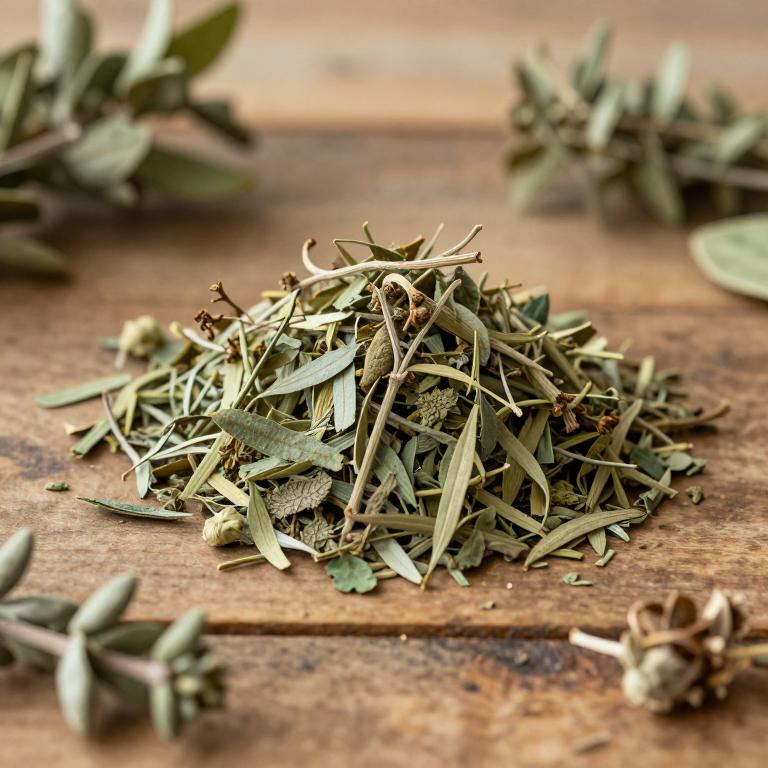
Clinacanthus siamensis is a medicinal shrub widely recognized for its significant therapeutic potential in traditional herbal practices. Researchers frequently focus on the plant's leaves to isolate its most potent bioactive compounds. By utilizing ethanolic extracts, scientists can effectively concentrate the phytochemicals responsible for its various biological activities. These specialized preparations serve as a foundation for studying the plant's efficacy against diverse health challenges. Consequently, the study of these leaf-based extracts continues to advance our understanding of this versatile botanical species.
- Synonyms
- Not available
- Common names
- Not available
- Family
- Acanthaceae
- Distribution
- Not available
- Plant Parts
- Leaf
Classification
Taxonomy
Clinacanthus siamensis is a notable botanical specimen belonging to the vast kingdom Plantae. Within this biological hierarchy, the plant is classified under the class Equisetopsida. It specifically falls into the order Lamiales, a group that includes many diverse and significant species. Furthermore, it is a distinguished member of the family Acanthaceae. Ultimately, this plant is defined by its unique placement within the genus Clinacanthus.
| Rank | Classification |
|---|---|
| Kingdom | Plantae |
| Phylum | Streptophyta |
| Class | Equisetopsida |
| Subclass | Magnoliidae |
| Order | Lamiales |
| Family | Acanthaceae |
| Genus | Clinacanthus |
Sources: The World Checklist of Vascular Plants (WCVP)
Distribution
Geographic Regions
Clinacanthus siamensis is a notable botanical species primarily found throughout the tropical regions of Asia. Its natural distribution spans across diverse landscapes, including the lush environments of Indo-China. Within these territories, the plant is particularly well-established and frequently encountered in Thailand. This specific geographical range highlights its adaptation to warm, humid climates characteristic of the Southeast Asian tropics. Understanding these habitat relationships is essential for studying the plant's ecological role and potential medicinal uses.
Sources: The World Checklist of Vascular Plants (WCVP)
Identification
Biological Activities
Compounds
Conditions
Clinacanthus siamensis leaf extract demonstrates significant effectiveness in treating influenza virus infections. Research shows that the extract possesses a protective effect against these viruses by stimulating the production of anti-influenza IgG(1) and IgA antibodies. Specifically, the plant exhibits its highest in vitro antiviral activity against the A/G (H3N2) virus. In vivo studies using BALB/c mice confirm that this extract can help increase body weight during an infection compared to other treatments. Ultimately, the medicinal properties of Clinacanthus siamensis serve as a potent agent against both general influenza and the specific A/G virus strain.
Preparations
Clinacanthus siamensis is prepared as ethanolic extracts to investigate its potential antiviral properties against the influenza virus. Researchers utilized these specific leaf extracts to screen for neuraminidase inhibition and in vitro activity using MDCK cells. The study identified that the ethanolic extract of the leaves possessed significant anti-A/G virus activity. These preparations were subsequently administered orally to BALB/c mice to evaluate their protective effects during infection. Through this preparation method, the plant extract demonstrated the ability to elicit significant antibody production and support weight maintenance.
Parts used
Clinacanthus siamensis offers significant medicinal potential, particularly through the use of its leaf extract. Recent studies have focused on the ethanolic extracts of this plant to evaluate their antiviral activities against various influenza strains. Research indicates that the leaf extract of this species possesses notable in vitro inhibitory effects, especially against the A/G virus. When administered to mice, the extract was shown to stimulate the production of anti-influenza antibodies and help maintain body weight during infection. Ultimately, these findings suggest that the leaf of Clinacanthus siamensis provides a protective effect against influenza virus infection.