Clerodendrum volubile
Clerodendrum volubile · Accepted scientific name
Scientific literature: Very Sparse (16 studies) · ★☆☆☆☆
Clerodendrum volubile, scientifically known as Clerodendrum volubile, is a captivating climbing shrub cherished in traditional medicine. Renowned for its fragrant, bell-shaped flowers, this plant offers diverse therapeutic properties. It is frequently utilized in herbal remedies to address various ailments, showcasing its significant value in ethnobotanical studies and wellness.
- Family
- Lamiaceae
- Native range
- Africa
- Parts used
- Leaf · Flower
- Common names
- Not available
- Scientific synonyms
- Torreya Paniculata · Siphonanthus Volubilis · 1 more
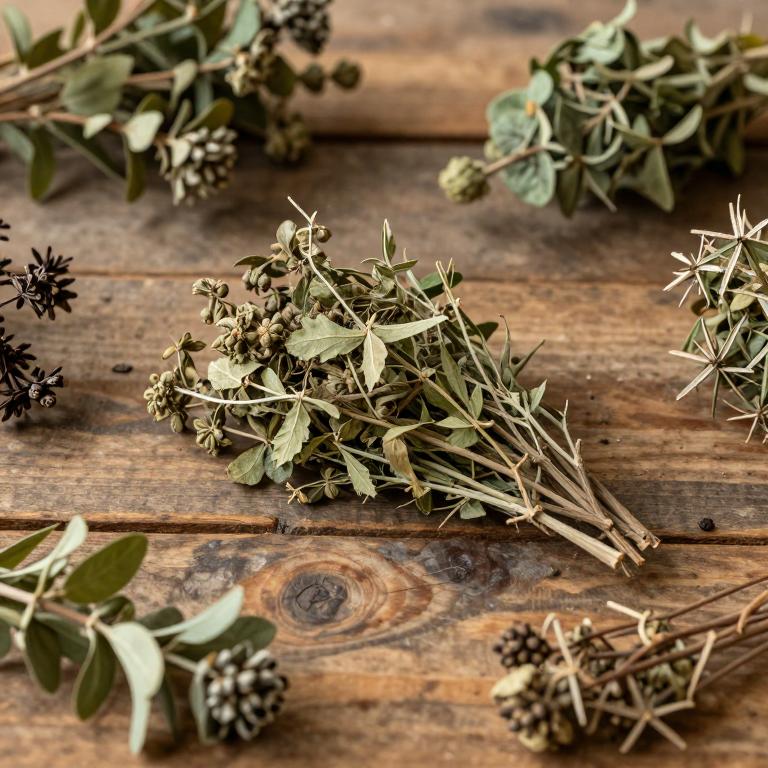
Names and Synonyms
Scientific Names
Accepted name
Clerodendrum volubileSynonyms
- Torreya paniculata
- Siphonanthus volubilis
- Clerodendrum volubile var. grossiserratum
Sources: Wikidata
Taxonomical Classification
This plant belongs to the kingdom Plantae within the phylum Streptophyta and is classified under the class Equisetopsida. As a member of the subclass Magnoliidae and the order Lamiales, it is further situated in the family Lamiaceae. Finally, its taxonomic identity is defined by its placement in the genus Clerodendrum.
| Rank | Classification |
|---|---|
| Kingdom | Plantae |
| Phylum | Streptophyta |
| Class | Equisetopsida |
| Subclass | Magnoliidae |
| Order | Lamiales |
| Family | Lamiaceae |
| Genus | Clerodendrum |
Sources: The World Checklist of Vascular Plants (WCVP)
Distribution
This plant is primarily distributed throughout the West Tropical Africa region. Specifically, it can be found growing in the country of Benin. Its presence is also documented within the borders of Ghana. Furthermore, the species is known to inhabit parts of Guinea and the Ivory Coast. Finally, its geographical range extends into Liberia as well.
| Region | Area |
|---|---|
| West Tropical Africa | Benin |
| West Tropical Africa | Ghana |
| West Tropical Africa | Guinea |
| West Tropical Africa | Ivory Coast |
| West Tropical Africa | Liberia |
| West Tropical Africa | Mali |
| West Tropical Africa | Nigeria |
| West Tropical Africa | Senegal |
| West Tropical Africa | Sierra Leone |
| West Tropical Africa | Togo |
Sources: The World Checklist of Vascular Plants (WCVP)
Botanical Identification
Life history
The life history of Clerodendrum volubile is characterized by its distinct growth patterns and structural classification within botanical life forms. This species functions primarily as a phanerophyte, meaning its perennating buds are located well above the ground on woody stems, allowing it to maintain a robust presence throughout its life cycle. Within this classification, its development aligns with the characteristics of a nanophanerophyte, as its woody structure typically maintains a relatively modest height compared to larger forest trees, yet remains elevated above the soil surface. This life history strategy enables the plant to thrive in its specific ecological niches, utilizing its perennial woody stems to survive varying seasonal conditions and ensuring successful regeneration and continuous growth over multiple years.
- Life form :
- nanophanerophyte
- Life form :
- phanerophyte
Morphology
The morphology of Clerodendrum volubile is characterized by its growth as a woody liana, functioning as an obligatory climber that relies on external support for its upward progression. Although it exhibits a shrub-like growth form, its habit is primarily that of a climbing woody plant that reaches a mean height of approximately 1 meter, though it can attain a maximum height of up to 3.048 meters. It is a strictly terrestrial species, existing as an independent organism without parasitic or epiphytic tendencies.
- Aquatic :
- terrestrial
- Climber :
- liana
- Climber :
- obligatory
- Epiphyte :
- terrestrial
- Growth form :
- shrub
- Parasite :
- independent
- Plant height max:
- 3.048037064 m
- Plant height mean:
- 1 m
- Woodiness :
- woody
Reproduction
The reproduction of Clerodendrum volubile is characterized by a highly flexible phenological cycle, as the flowering period is notably variable depending on environmental conditions and local climatic patterns. While the plant can exhibit flowering at various points throughout the year, its reproductive activity is not strictly confined to a single season; rather, it shows a capacity for blooming across a wide spectrum of months. Specifically, the flowering start and end times are documented as being variable, potentially spanning from January through December, which allows the plant to adapt its reproductive efforts to shifting seasonal cues. This variability in flowering time ensures that the species can maximize its chances of successful pollination and seed set across diverse ecological niches.
- Flowering time :
- Jan
Sources: Global Inventory of Floras and Traits (GIFT)
Plant Parts
Clerodendrum volubile has 2 reported plant parts identified across 4 scientific publications and several other databases that are studied for medicinal purposes. The most consistently reported plant part include leaf, flower.
| Plant part | Supporting sources | Consensus |
|---|---|---|
| Leaf | 3 supporting sources | ★★☆☆☆ |
| Flower | 1 supporting sources | ★☆☆☆☆ |
Leaf
- Biomedicine & pharmacotherapy = Biomedecine & pharmacotherapie
- Nutrition and cancer
- Frontiers in pharmacology
Flower
- Journal of diabetes and metabolic disorders
Activities
Clerodendrum volubile has 4 reported activities identified across 4 scientific publications and several other databases. The most consistently reported activities include Antidiabetic, Antioxidant, Cytotoxic, Proinflammatory.
| Activity | Supporting sources | Consensus |
|---|---|---|
| Antidiabetic | 2 supporting sources | ★☆☆☆☆ |
| Antioxidant | 1 supporting sources | ★☆☆☆☆ |
| Cytotoxic | 1 supporting sources | ★☆☆☆☆ |
| Proinflammatory | 1 supporting sources | ★☆☆☆☆ |
Antidiabetic
- Biomedicine & pharmacotherapy = Biomedecine & pharmacotherapie
- Journal of diabetes and metabolic disorders
Antioxidant
- Biomedicine & pharmacotherapy = Biomedecine & pharmacotherapie
Cytotoxic
- Biomedicine & pharmacotherapy = Biomedecine & pharmacotherapie
Proinflammatory
- Biomedicine & pharmacotherapy = Biomedecine & pharmacotherapie
Conditions
Clerodendrum volubile has 4 reported investigations on conditions identified across 4 scientific publications and several other databases. The most consistently reported conditions include type 2 diabetes, Type 2 Diabetes, liver diseases, liver fibrosis.
| Condition | Supporting sources | Consensus |
|---|---|---|
| Type 2 diabetes | 2 supporting sources | ★☆☆☆☆ |
| Type 2 diabetes | 1 supporting sources | ★☆☆☆☆ |
| Liver diseases | 1 supporting sources | ★☆☆☆☆ |
| Liver fibrosis | 1 supporting sources | ★☆☆☆☆ |
Type 2 diabetes
- Journal of diabetes and metabolic disorders
- Frontiers in pharmacology
Type 2 diabetes
- Frontiers in pharmacology
Liver diseases
- Scientific reports
Liver fibrosis
- Scientific reports
Preparations
Clerodendrum volubile has 8 reported preparations identified across 4 scientific publications and several other databases. The most consistently reported preparations include Methanolic Extract, aqueous fraction, butanol (BuOH) fraction, dichloromethane (DCM) fraction, ethanol extract.
| Preparation | Supporting sources | Consensus |
|---|---|---|
| Methanolic extract | 1 supporting sources | ★☆☆☆☆ |
| Aqueous fraction | 1 supporting sources | ★☆☆☆☆ |
| Butanol (buoh) fraction | 1 supporting sources | ★☆☆☆☆ |
| Dichloromethane (dcm) fraction | 1 supporting sources | ★☆☆☆☆ |
| Ethanol extract | 1 supporting sources | ★☆☆☆☆ |
| Ethyl acetate extract | 1 supporting sources | ★☆☆☆☆ |
| N-hexane extract | 1 supporting sources | ★☆☆☆☆ |
| Water extract | 1 supporting sources | ★☆☆☆☆ |
Methanolic extract
- Frontiers in pharmacology
Aqueous fraction
- Frontiers in pharmacology
Butanol (buoh) fraction
- Frontiers in pharmacology
Dichloromethane (dcm) fraction
- Frontiers in pharmacology
Ethanol extract
- Journal of diabetes and metabolic disorders
Ethyl acetate extract
- Journal of diabetes and metabolic disorders
N-hexane extract
- Journal of diabetes and metabolic disorders
Water extract
- Journal of diabetes and metabolic disorders