spiderflower
Cleome · Accepted scientific name
Scientific literature: Very Sparse (3 studies) · ★☆☆☆☆
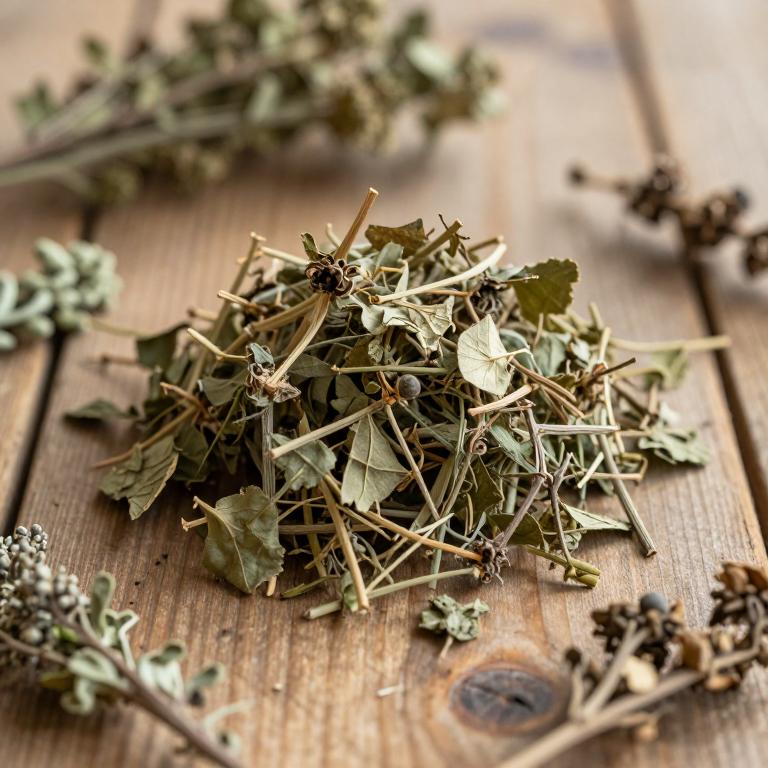
Spiderflower, scientifically known as Cleome, is a versatile medicinal plant celebrated for its diverse therapeutic properties. Often used in traditional medicine to treat skin ailments, inflammation, and digestive issues, its unique blossoms and leaves offer significant bioactive compounds. This resilient herb bridges the gap between ornamental beauty and healing.
Names and Synonyms
Common Names
- spiderflower
- Spider Flowers
- Spindlepods
Scientific Names
Accepted name
CleomeSynonyms
- Rorida
- Andinocleome
- Incacleome
- Gilgella
- Areocleome
- Kersia
- Isexina
- Hemiscola
- Cristatella
- Corynandra
- Haptocarpum
- Carsonia
- Gynandropsis
- Cyrbasium
- Diorimasperma
- Arivela
- Buhsea
- Celome
- Aldenella
- Anomalostemon
- Roeperia
- Mitostylis
- Micambe
- Melidiscus
- Coalisina
- Triandrophora
- Tarenaya
- Tetratelia
- Oncufis
- Aubion
- Lagansa
- Justago
- Stylista
- Siliquaria
- Symphyostemon
- Scolosperma
- Pteroloma
- Puccionia
- Pedicellaria
- Polanisia
- Podandrogyne
- Dipterygium
- Dispara
- Physostemon
- Decastemon
- Dactylaena
- Sieruela
- Pericla
- Cleoserrata
- Thulinella
- Stylidocleome
- Cochranella
- Iltisiella
- Pterocleome
- Podogyne
Regional and Traditional Names
Spanish:
- Gynandropsis
- Justago
- Chilocalyx
- Buhsea
- Carsonia
- Tetrateleia
- Rorida
- Pedicellaria
- Celome
- Tetratelia
- Isomeris
- Decastemon
- Physostemon
- Volantines
German:
- Spinnenpflanze
- Spinnenpflanzen
French:
- Cléome
Sources: Wikidata, Catalogue of Life
Taxonomical Classification
This plant belongs to the kingdom Plantae and falls under the phylum Streptophyta within the class Equisetopsida. It is further classified under the subclass Magnoliidae and the order Brassicales. Finally, it is a member of the family Cleomaceae and belongs to the genus Cleome.
| Rank | Classification |
|---|---|
| Kingdom | Plantae |
| Phylum | Streptophyta |
| Class | Equisetopsida |
| Subclass | Magnoliidae |
| Order | Brassicales |
| Family | Cleomaceae |
| Genus | Cleome |
Sources: The World Checklist of Vascular Plants (WCVP)
Distribution
This plant exhibits a diverse range of locations across the European continent. In Northern Europe, its presence can be noted within Great Britain. Moving toward the center of the continent, it is also found in Middle Europe, specifically in Germany. The species extends significantly into Southwestern Europe, where it inhabits France. Additionally, its distribution continues through the Iberian Peninsula, covering both Portugal and Spain.
| Region | Area |
|---|---|
| Northern Europe | Great Britain |
| Middle Europe | Germany |
| Southwestern Europe | France |
| Southwestern Europe | Portugal |
| Southwestern Europe | Spain |
| Southeastern Europe | Albania |
| Southeastern Europe | Bulgaria |
| Southeastern Europe | Greece |
| Southeastern Europe | Italy |
| Southeastern Europe | Romania |
Sources: The World Checklist of Vascular Plants (WCVP)
Plant Parts
Cleome has 1 reported plant parts identified across 1 scientific publications and several other databases that are studied for medicinal purposes. The most consistently reported plant part include fruit.
| Plant part | Supporting sources | Consensus |
|---|---|---|
| Fruit | 1 supporting sources | ★☆☆☆☆ |
Fruit
- Molecules (Basel, Switzerland)
Activities
Cleome has 2 reported activities identified across 1 scientific publications and several other databases. The most consistently reported activities include Carminative, Psychotropic.
| Activity | Supporting sources | Consensus |
|---|---|---|
| Carminative | 1 supporting sources | ★☆☆☆☆ |
| Psychotropic | 1 supporting sources | ★☆☆☆☆ |
Carminative
- Research in pharmaceutical sciences
Psychotropic
- Scientific reports