Clematis longicauda
Clematis longicauda · Accepted scientific name
Scientific literature: Very Sparse (1 studies) · ★☆☆☆☆
Clematis longicauda is a botanical species that has garnered significant scientific interest due to its potent therapeutic properties. Research indicates that this plant possesses notable antibacterial activities capable of combating various harmful pathogens. Specifically, its extracts have demonstrated effectiveness against challenging bacteria such as Escherichia coli and Pseudomonas aeruginosa. Furthermore, the plant shows promise in inhibiting the growth of Salmonella typhimurium and Staphylococcus aureus. These findings highlight the potential of Clematis longicauda as a source for developing new antimicrobial agents.
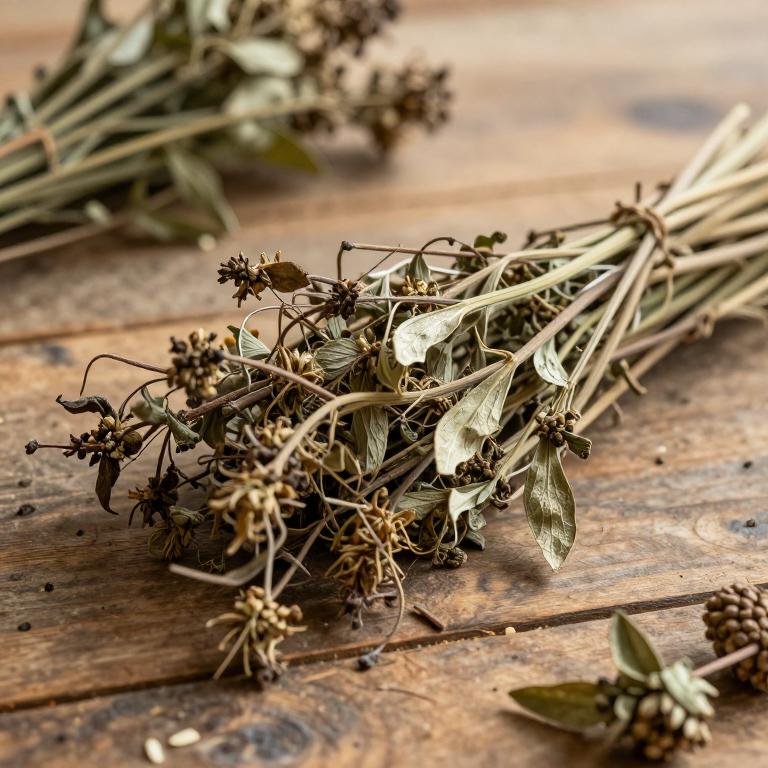
- Synonyms
- Not available
- Common names
- Not available
- Family
- Ranunculaceae
- Distribution
- Not available
- Plant Parts
- Not available
Classification
Taxonomy
Clematis longicauda is a remarkable botanical specimen that belongs to the kingdom Plantae. Within this vast biological realm, it is classified under the class Equisetopsida. The plant further resides in the order Ranunculales, showcasing its specific evolutionary lineage. It is a distinguished member of the genus Clematis, which defines its unique physical characteristics. Finally, its taxonomic placement is completed within the diverse family Ranunculaceae.
| Rank | Classification |
|---|---|
| Kingdom | Plantae |
| Phylum | Streptophyta |
| Class | Equisetopsida |
| Subclass | Magnoliidae |
| Order | Ranunculales |
| Family | Ranunculaceae |
| Genus | Clematis |
Sources: The World Checklist of Vascular Plants (WCVP)
Distribution
Geographic Regions
Clematis longicauda is a versatile plant species characterized by its expansive geographical reach. Its native range extends across the African continent, with specific populations found within Northeast Tropical Africa and Ethiopia. Beyond Africa, the species also flourishes within the temperate regions of Asia. This distribution includes significant presence in the Arabian Peninsula, particularly throughout Yemen. Such a wide variety of habitats highlights the remarkable adaptability of this particular plant.
Sources: The World Checklist of Vascular Plants (WCVP)
Identification
Biological Activities
Clematis longicauda serves as one of the selected Ethiopian medicinal plants investigated for its potential therapeutic value. Within this plant, researchers isolated the endophytic bacterium Bacillus subtilis to explore its bioactive secondary metabolites. The study specifically focused on the antibacterial activity of these endophytes against various harmful pathogens. Results demonstrated that the metabolites produced from these isolates exhibited significant inhibition against bacteria such as Salmonella Typhimurium and Escherichia coli. Ultimately, these findings highlight the potential of Clematis longicauda and its associated endophytes as a source for new antibacterial agents.
Compounds
Conditions
Clematis longicauda hosts endophytic Bacillus subtilis that produces metabolites with significant antibacterial properties. These bioactive secondary metabolites demonstrate the ability to treat Escherichia coli through effective inhibition. The extracts also show medicinal potential in treating Pseudomonas aeruginosa, although this bacterium was noted as the least sensitive. Furthermore, the plant-derived endophytes effectively treat Salmonella Typhimurium, which was identified as the most sensitive test organism. Finally, the metabolites from these endophytes are capable of treating Staphylococcus aureus by producing large inhibition zones.