Clematis apiifolia var. argentilucida
Clematis apiifolia var. argentilucida · Accepted scientific name
Scientific literature: Very Sparse (0 studies) · ★☆☆☆☆
Clematis apiifolia var. argentilucida is a distinct botanical variety recognized for its unique morphological characteristics. Scientific interest in this species often focuses on the therapeutic potential found within its various biological components. Among these, the root serves as a primary source of bioactive secondary metabolites. Recent investigations have utilized the n-BuOH extract to isolate and evaluate these specific chemical constituents. Understanding the properties of this extract provides essential insights into the plant's overall pharmacological profile.
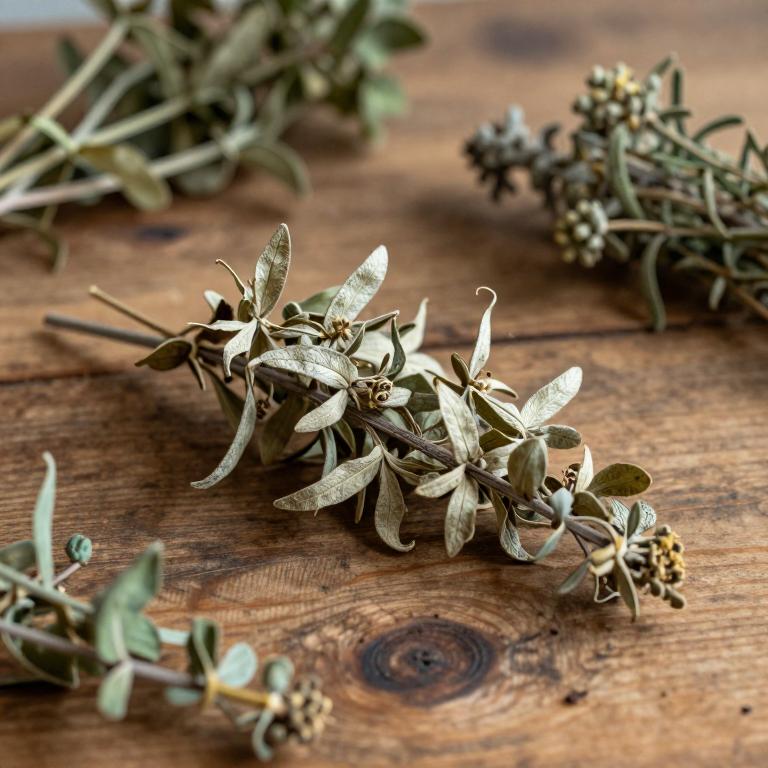
- Synonyms
- Clematis Apiifolia Var. Obtusidentata · Clematis Argentilucida · 3 more
- Common names
- Not available
- Family
- Ranunculaceae
- Distribution
- Southern America
- Plant Parts
- Root
Classification
Common Names
Clematis apiifolia var. argentilucida is a versatile plant recognized by a diverse array of traditional names across different regions. It is widely known by its common name chuan mu tong, which reflects its specific botanical identity. In other contexts, it is frequently referred to as dun chi tie xian lian or by the Chinese characters 大木通. Local variations also include names such as 女萎 and 棉花藤, illustrating the plant's deep integration into various linguistic traditions. Understanding these multiple names is essential for anyone studying the cultural and botanical significance of this unique species.
Sources: Catalogue of Life (COL)
Synonyms
Clematis apiifolia var. argentilucida is a plant that is recognized by several different botanical names due to its complex taxonomic history. Throughout various scientific records, it has been identified by synonyms such as Clematis argentilucida and Clematis obtusidentata. It is also frequently referred to in literature as Clematis apiifolia var. obtusidentata. Furthermore, the plant is linked to the names Clematis grata var. argentilucida and Clematis vitalba var. argentilucida. Understanding these various designations is essential for researchers tracking the species across different botanical databases.
Sources: The World Checklist of Vascular Plants (WCVP)
Taxonomy
Clematis apiifolia var. argentilucida is a distinctive botanical specimen belonging to the kingdom Plantae. Within this vast kingdom, it is specifically classified under the class Equisetopsida. This plant further falls into the order Ranunculales, showcasing its unique evolutionary lineage. As a member of the Ranunculaceae family, it shares structural characteristics with many other flowering species. Ultimately, its biological identity is defined by its placement within the genus Clematis.
| Rank | Classification |
|---|---|
| Kingdom | Plantae |
| Phylum | Streptophyta |
| Class | Equisetopsida |
| Subclass | Magnoliidae |
| Order | Ranunculales |
| Family | Ranunculaceae |
| Genus | Clematis |
Sources: The World Checklist of Vascular Plants (WCVP)
Distribution
Geographic Regions
Clematis apiifolia var. argentilucida is a specialized variety primarily found within the temperate regions of Asia. Its natural range is concentrated in China, where it thrives across several distinct geographical areas. Specifically, the plant can be located throughout the North-Central territories of the country. It also maintains a presence in the South-Central provinces, showcasing its adaptability to different climates. Furthermore, its distribution extends into the Southeast regions, completing its widespread footprint across the Chinese landscape.
Sources: The World Checklist of Vascular Plants (WCVP)
Identification
Biological Activities
Compounds
Conditions
Clematis apiifolia var. argentilucida contains triterpenoid saponins that demonstrate significant cytotoxic activity against various cancer cells. Specifically, the plant extracts effectively treat the HepG-2 cell line through the action of identified monodesmosidic saponins. The botanical compounds also show a therapeutic potential in treating the SGC-7901 cell line. Furthermore, these saponins are capable of treating the human tumor HL-60 cell line with notable potency. The efficacy of these treatments is evidenced by IC50 values ranging from 0.87 to 19.48 µM across these three specific lines.
Preparations
Clematis apiifolia var. argentilucida is prepared as an n-BuOH extract derived specifically from its roots. This extraction process was utilized during a reinvestigation to isolate various triterpenoid saponins. Through this method, researchers successfully identified four new oleanane-type triterpenoid saponins alongside several known compounds. The resulting extract provided the chemical basis for elucidating the structures of saponins 1-8. Ultimately, this prepared extract served as the source for evaluating the cytotoxicity of these compounds against multiple human tumor cell lines.
Parts used
Clematis apiifolia var. argentilucida serves as a significant source of bioactive compounds, particularly within its root system. Recent investigations into the n-BuOH extract of these roots have led to the successful isolation of several unique triterpenoid saponins. Among these findings are four newly discovered oleanane-type triterpenoid saponins, alongside various known saponins previously reported in the species. Beyond mere identification, researchers have extensively evaluated the cytotoxic potential of these compounds against several human tumor cell lines. The results demonstrate that specific monodesmosidic saponins exhibit notable inhibitory activity, highlighting the medicinal importance of the plant's roots.