Clausena heptaphylla
Clausena heptaphylla · Accepted scientific name
Scientific literature: Very Sparse (0 studies) · ★☆☆☆☆
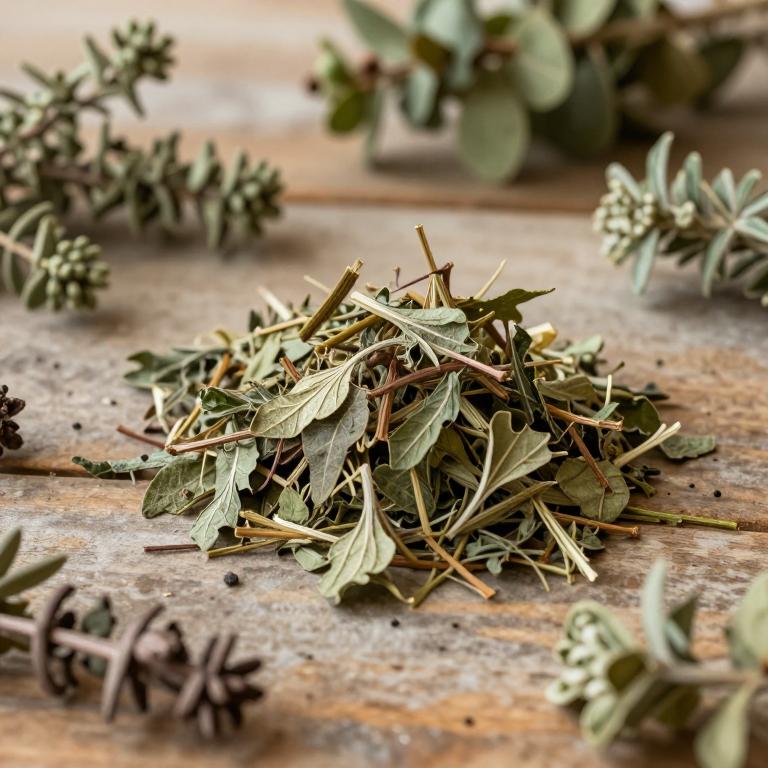
Clausena heptaphylla is a distinctive evergreen shrub known for its unique botanical characteristics and medicinal potential. This plant is particularly recognized for the presence of bioactive coumarins within its biological structure. Researchers often focus on the leaf as the primary part of the plant for extracting these valuable chemical compounds. These secondary metabolites contribute significantly to the plant's biological activities and pharmacological interest. Understanding the chemical profile of the leaves provides essential insights into the diverse uses of this species.
- Synonyms
- Amyris Heptaphylla · Clausena Macrophylla
- Common names
- Not available
- Family
- Rutaceae
- Distribution
- Not available
- Plant Parts
- Leaf
Classification
Synonyms
Clausena heptaphylla is a botanical species that has been documented under several different names in scientific literature. Due to various taxonomic classifications, it is recognized by the synonyms Amyris anisata and Amyris heptaphylla. Researchers also frequently refer to this plant using the synonym Clausena macrophylla. These overlapping names can sometimes cause confusion when navigating botanical databases. Understanding these relationships is essential for maintaining accurate records of the plant's identity.
Sources: The World Checklist of Vascular Plants (WCVP)
Taxonomy
Clausena heptaphylla is a distinctive member of the kingdom Plantae that showcases the intricate diversity of the natural world. Belonging to the class Equisetopsida, this species is precisely categorized within the order Sapindales. It is further identified by its placement in the genus Clausena, a group known for its unique botanical characteristics. As a prominent representative of the family Rutaceae, the plant shares evolutionary traits with many other citrus-related species. Understanding these scientific relationships provides essential insight into the biological identity of this remarkable plant.
| Rank | Classification |
|---|---|
| Kingdom | Plantae |
| Phylum | Streptophyta |
| Class | Equisetopsida |
| Subclass | Magnoliidae |
| Order | Sapindales |
| Family | Rutaceae |
| Genus | Clausena |
Sources: The World Checklist of Vascular Plants (WCVP)
Distribution
Geographic Regions
Clausena heptaphylla is a plant species with an extensive range spanning the tropical regions of Asia. Its distribution is most prominent throughout the Indian Subcontinent, where it thrives in diverse environments. Specifically, the species can be found across various territories including India, Bangladesh, and Nepal. It also maintains a presence within the unique ecosystems of the East Himalaya and the Assam region. This widespread geographic footprint highlights the plant's adaptability to different tropical habitats.
Sources: The World Checklist of Vascular Plants (WCVP)
Identification
Morphology
Clausena heptaphylla is characterized by its distinct shrub growth form. As a self-supporting species, it maintains its structure independently within its natural habitat.
Sources: Global Inventory of Floras and Traits (GIFT)
Biological Activities
Compounds
Conditions
Clausena heptaphylla exhibits significant antibacterial activity through its various crude extracts. Research indicates that the leaves of this plant contain bioactive compounds capable of inhibiting bacterial growth. Specifically, three purified coumarins derived from a cold methanol extract demonstrate these medicinal properties. These substances serve as the primary agents responsible for the plant's ability to combat bacteria. Consequently, the chemical constituents of Clausena heptaphylla are directly linked to its potent antibacterial efficacy.
Preparations
Parts used
Clausena heptaphylla serves as a significant subject of study due to its diverse therapeutic potential. Researchers have focused specifically on the plant's leaves to investigate their natural medicinal properties. By utilizing various crude extracts from these leaves, scientists have identified notable antibacterial activity. Furthermore, the extraction process has successfully yielded three purified coumarins from cold methanol treatments. These findings highlight how the leaf components of Clausena heptaphylla contribute to its overall biological effectiveness.