Clausena hainanensis
Clausena hainanensis · Accepted scientific name
Scientific literature: Very Sparse (0 studies) · ★☆☆☆☆
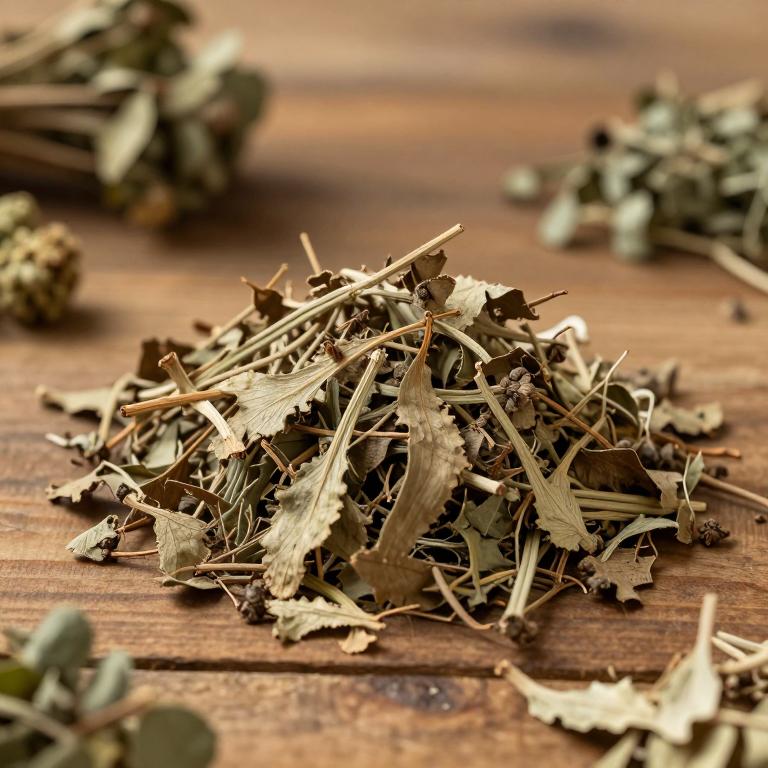
Clausena hainanensis is a unique botanical species known for its distinct chemical profile. The plant contains significant amounts of furanocoumarins, which are bioactive compounds found throughout its structure. These specialized chemicals are primarily concentrated within the leaf and stem of the organism. Researchers often study these specific plant parts to understand the defensive properties of the species. Understanding the relationship between its morphology and chemistry provides valuable insight into this plant's biological makeup.
- Synonyms
- Not available
- Common names
- Not available
- Family
- Rutaceae
- Distribution
- Not available
- Plant Parts
- Leaf · Stem
Classification
Common Names
Clausena hainanensis is a plant species widely recognized by its specific common names. In English-speaking contexts, it is often referred to as hai nan huang pi. This name is a phonetic representation of its traditional Chinese designation, 海南黄皮. Both names serve to identify this particular botanical specimen within its cultural and regional habitats. Understanding these various nomenclatures is essential for anyone studying the plant's diverse linguistic relationships.
Sources: Catalogue of Life (COL)
Taxonomy
Clausena hainanensis is a distinctive biological entity belonging to the kingdom Plantae. Within this vast plant kingdom, it is classified under the class Equisetopsida. The species is further organized into the order Sapindales, showcasing its evolutionary connections. It finds its specific place within the genus Clausena, a group of closely related plants. Ultimately, this species is a member of the Rutaceae family, highlighting its botanical lineage.
| Rank | Classification |
|---|---|
| Kingdom | Plantae |
| Phylum | Streptophyta |
| Class | Equisetopsida |
| Subclass | Magnoliidae |
| Order | Sapindales |
| Family | Rutaceae |
| Genus | Clausena |
Sources: The World Checklist of Vascular Plants (WCVP)
Distribution
Geographic Regions
Clausena hainanensis is a specialized plant species primarily found within the Asia-Temperate geographic region. Its natural habitat is notably concentrated in the diverse ecosystems of China. Specifically, much of its population is localized to the tropical environment of Hainan island. This specific distribution highlights the unique ecological niche the species occupies within its native range. Understanding these geographic patterns is essential for the ongoing conservation of the plant.
Sources: The World Checklist of Vascular Plants (WCVP)
Identification
Biological Activities
Compounds
Conditions
Clausena hainanensis produces carbazole alkaloids that demonstrate significant antiproliferative activity against several human cancer cell lines. Specifically, these plant-derived compounds effectively treat the A-549 cell line in vitro. They also exhibit potent inhibitory effects against HL-60 cells. Furthermore, the alkaloids derived from this plant are capable of treating MCF-7 cancer cells. Finally, Clausena hainanensis provides compounds that show medicinal potential in treating both SMMC-7721 and SW480 cell lines.
Preparations
Parts used
Clausena hainanensis serves as a significant botanical source for various bioactive secondary metabolites. Scientific investigations have successfully isolated diverse furanocoumarins and carbazole alkaloids from both the stems and leaves of this plant. These specific components, found within the stem and leaf tissues, demonstrate notable cytotoxic and antiproliferative activities against several human cancer cell lines. The presence of these compounds in the plant's structural parts highlights its chemical complexity and therapeutic potential. Ultimately, the extraction of these substances from the stems and leaves of Clausena hainanensis may aid in the development of new anticancer agents.