Cladanthus scariosus
Cladanthus scariosus · Accepted scientific name
Scientific literature: Very Sparse (6 studies) · ★☆☆☆☆
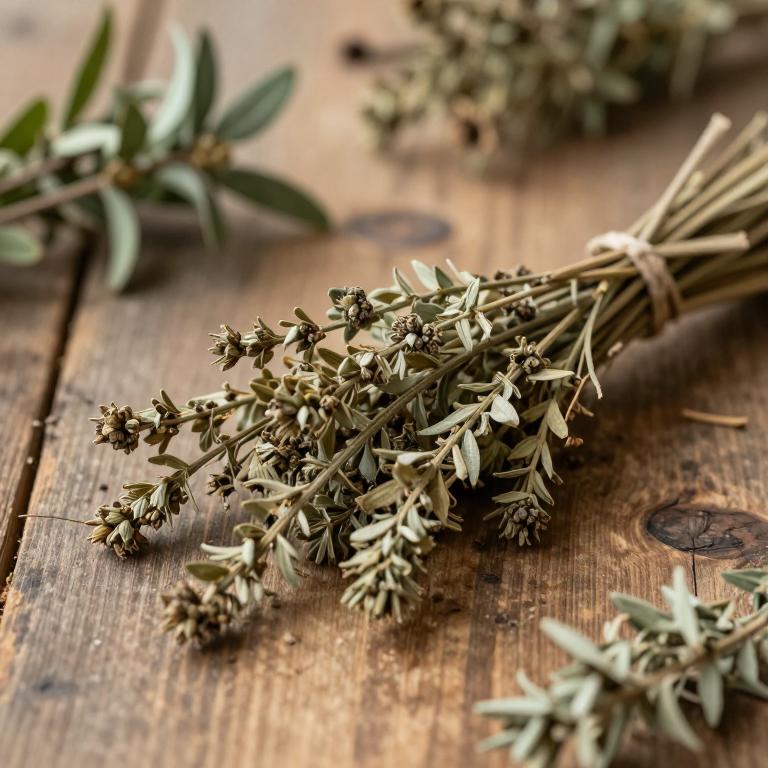
, scientifically known as Cladanthus scariosus, is a remarkable medicinal plant valued for its unique therapeutic properties. Found in specific tropical ecosystems, this species offers significant potential in traditional healing practices. Exploring its phytochemical composition reveals its promise for modern pharmacology, offering new insights into natural disease management and wellness.
- Family
- Asteraceae
- Native range
- Africa
- Parts used
- Not available
- Common names
- Not available
- Scientific synonyms
- Ormenis Scariosa · Santolina Scariosa · 1 more
Names and Synonyms
Scientific Names
Accepted name
Cladanthus scariosusSynonyms
- Ormenis scariosa
- Santolina scariosa
- Chamaemelum scariosum
Sources: Wikidata
Taxonomical Classification
This plant belongs to the kingdom Plantae and is classified under the phylum Streptophyta and class Equisetopsida. Within the subclass Magnoliidae, it falls under the order Asterales and is a member of the Asteraceae family. Its specific taxonomic designation is within the genus Cladanthus.
| Rank | Classification |
|---|---|
| Kingdom | Plantae |
| Phylum | Streptophyta |
| Class | Equisetopsida |
| Subclass | Magnoliidae |
| Order | Asterales |
| Family | Asteraceae |
| Genus | Cladanthus |
Sources: The World Checklist of Vascular Plants (WCVP)
Distribution
This plant, known scientifically as Cladanthus scariosus, possesses a very specific and limited geographical range. Its natural habitat is primarily centered within the North African region. Specifically, documented occurrences of this medicinal species are found in Morocco. Because its distribution is so localized, it is considered a characteristic element of the Moroccan flora. Consequently, the plant's presence is strictly tied to the unique environmental conditions of this particular nation.
| Region | Area |
|---|---|
| Northern Africa | Morocco |
Sources: The World Checklist of Vascular Plants (WCVP)
Chemicals
Cladanthus scariosus has 5 reported phytochemicals identified across 0 scientific publications and several other databases. The most consistently reported chemicals include Borneol, Chamazulene, Germacrene D, Terpinen-4-ol, camphor.
| Chemical | Supporting sources | Consensus |
|---|---|---|
| Borneol | 1 supporting sources | ★☆☆☆☆ |
| Chamazulene | 1 supporting sources | ★☆☆☆☆ |
| Germacrene D | 1 supporting sources | ★☆☆☆☆ |
| Terpinen-4-ol | 1 supporting sources | ★☆☆☆☆ |
| camphor | 1 supporting sources | ★☆☆☆☆ |
Borneol
- Chemistry & biodiversity
Chamazulene
- Chemistry & biodiversity
Germacrene D
- Chemistry & biodiversity
Terpinen-4-ol
- Chemistry & biodiversity
camphor
- Chemistry & biodiversity
Preparations
Cladanthus scariosus has 1 reported preparations identified across 0 scientific publications and several other databases. The most consistently reported preparations include essential oil.
| Preparation | Supporting sources | Consensus |
|---|---|---|
| Essential oil | 1 supporting sources | ★☆☆☆☆ |
Essential oil
- Chemistry & biodiversity