Citronella
Citronella · Accepted scientific name
Scientific literature: Very Sparse (1 studies) · ★☆☆☆☆
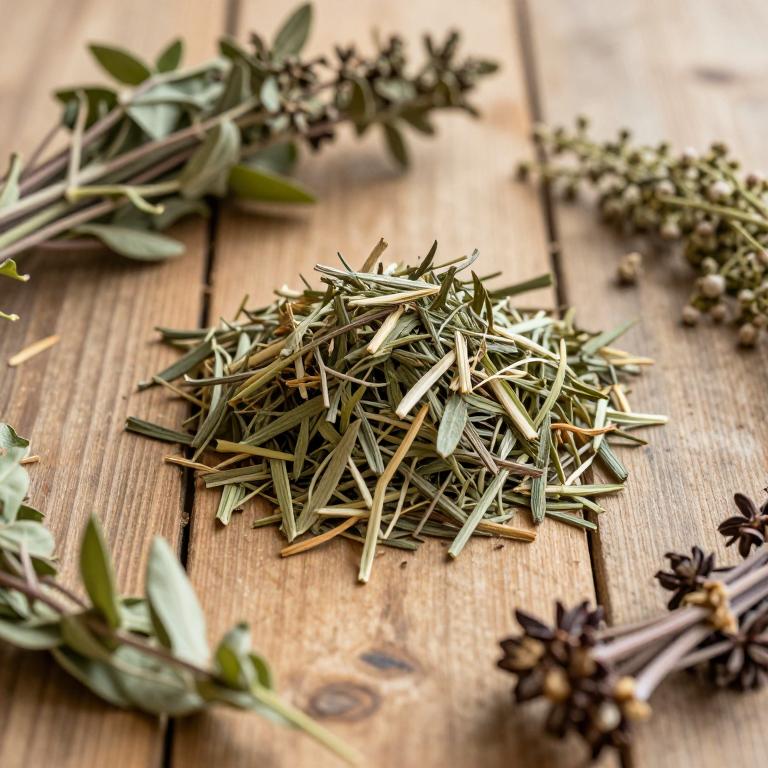
Citronella is a versatile plant primarily known for its potent aromatic properties derived from its fragrant leaf. The plant's chemical profile is rich in active compounds such as geraniol, citronellol, and nerolidol. When extracted into various preparations like essential oils, it can be utilized in concentrations of 10% or 50% for diverse applications. Interestingly, certain studies suggest its potential use in antiemetic activities to combat nausea. Furthermore, its chemical interactions can even be studied under specific conditions involving hydrogen peroxide.
- Synonyms
- Sarcanthidion · Villaresiopsis · 3 more
- Common names
- Not available
- Family
- Cardiopteridaceae
- Distribution
- Not available
- Plant Parts
- Leaf
Classification
Common Names
Citronella is a plant that is widely recognized by its common name, citronelka, in many different regions. This name reflects its deep cultural roots and the widespread familiarity people have with its distinct, citrusy aroma. Because it is so well-known, gardeners often seek it out specifically for its natural insect-repelling properties. Understanding these linguistic connections helps enthusiasts appreciate the diverse ways this botanical species is identified globally. Ultimately, whether called citronella or citronelka, the plant remains a staple in both fragrance and functional landscaping.
Sources: Catalogue of Life (COL)
Synonyms
Citronella is a botanical genus that has been subject to various taxonomic reclassifications over time. Historically, this group has been associated with several different names, including the synonym Briquetina. It has also been identified under the labels Chariessa and Pleuropetalon in different scientific contexts. Furthermore, the genus encompasses names such as Sarcanthidion and Villaresiopsis within its complex evolutionary history. Understanding these various synonyms is essential for researchers tracking the shifting classifications of the plant.
Sources: The World Checklist of Vascular Plants (WCVP)
Taxonomy
Citronella belongs to the vast kingdom Plantae, representing the diverse world of living vegetation. Within this kingdom, the plant is classified under the class Equisetopsida. It further falls into the order Aquifoliales, a specific grouping of flowering plants. Moving down the taxonomic hierarchy, it is a member of the family Cardiopteridaceae. Ultimately, this plant is defined by its specific genus, Citronella.
| Rank | Classification |
|---|---|
| Kingdom | Plantae |
| Phylum | Streptophyta |
| Class | Equisetopsida |
| Subclass | Magnoliidae |
| Order | Aquifoliales |
| Family | Cardiopteridaceae |
| Genus | Citronella |
Sources: The World Checklist of Vascular Plants (WCVP)
Distribution
Geographic Regions
Citronella is widely distributed throughout the tropical regions of Asia, spanning a vast and diverse geographical range. Its presence is firmly established in Indo-China, including specific territories within Vietnam. The plant also thrives extensively across the Malesia region, reaching as far as the islands of Borneo and Jawa. Furthermore, its natural habitat extends through the Lesser Sunda Islands and into Maluku. This wide distribution highlights the plant's ability to flourish across various tropical island ecosystems.
Sources: The World Checklist of Vascular Plants (WCVP)
Identification
Biological Activities
Citronella contains essential sesquiterpene alcohols, such as farnesol and nerolidol, which serve as potent antiemetic parapheromones. These natural compounds offer a promising way to suppress the nausea and vomiting often caused by chemotherapy. Research indicates that these substances may work by inhibiting 5-HT3 receptor-mediated signaling in the brainstem. Specifically, farnesol has demonstrated the ability to reduce appetite suppression and prevent weight loss in animal models. By interrupting emetogenic signaling, citronella-derived components provide a biological mechanism for managing gastrointestinal distress.
Compounds
Citronella is a versatile medicinal plant that serves as a rich source of various bioactive compounds. This plant contains geraniol, a monoterpene known for its significant antimicrobial and anti-inflammatory properties. Additionally, citronella contains nerolidol and farnesol, which are sesquiterpene alcohols that can function as effective antiemetic parapheromones. The presence of these specific chemical constituents allows citronella to provide a wide range of pharmacological benefits. Ultimately, the complex chemical profile of citronella makes it a highly valuable resource in both therapeutic and industrial applications.
Conditions
Citronella contains compounds like farnesol and nerolidol that help treat chemotherapy-induced nausea and vomiting by inhibiting emetogenic signaling. The essential oil also demonstrates antigenotoxic properties that effectively treat DNA damage caused by hydrogen peroxide and methyl methanesulphonate. In clinical testing, a mixture of citronella and cassia oils can be utilized to successfully detect hypersensitivity to essential oils in patients. Furthermore, citronella extracts serve to treat the action of phytopathogens by increasing the physiological quality and vigor of seeds. These diverse applications highlight the significant medicinal and protective roles of the plant.
Preparations
Citronella is prepared as essential oil or essential oils for a variety of medicinal and functional applications. Research indicates that citronella is prepared as CEO to investigate its potential for treating gouty arthritis by reducing oxidative stress. In studies regarding mosquito repellency, citronella is prepared as 10% or 50% concentrations to test its effectiveness against different species. These various preparations allow citronella to be utilized for its antioxidant, antimicrobial, and antiemetic properties.
Parts used
Citronella, specifically the species Cymbopogon winterianus, serves as a vital source of high-value medicinal compounds. Within this plant, the leaf is a key anatomical part that accumulates significant amounts of terpenes and sesquiterpenes. Recent research has focused on the tissue-specific expression of the DXR gene to understand how these essential oils are produced. By analyzing the differential expression within the leaf, scientists can better comprehend the metabolic pathways responsible for these active ingredients. Ultimately, studying the leaf's unique profile offers valuable insights for the future of metabolic engineering in medicinal plants.