Cistus
Cistus · Accepted scientific name
Scientific literature: Very Sparse (3 studies) · ★☆☆☆☆
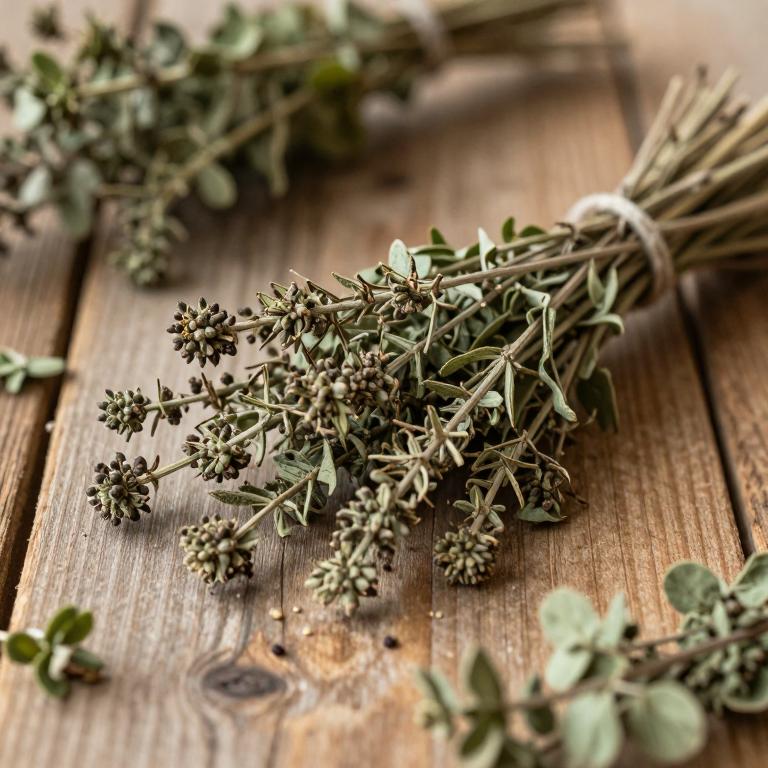
Cistus is a versatile plant renowned for its powerful medicinal properties and natural healing capabilities. It is widely celebrated for its potent antibacterial, antifungal, and anti-inflammatory activities. Many people incorporate this botanical into their wellness routines through various convenient preparations. You can easily enjoy its benefits by consuming herbal tea infusions or using pre-packaged tea bags. This aromatic plant serves as a functional addition to any herbal collection focused on holistic health.
- Synonyms
- Ledonia · Ladanium · 6 more
- Common names
- Not available
- Family
- Cistaceae
- Distribution
- Not available
- Plant Parts
- Not available
Classification
Common Names
Cistus is a versatile genus of plants that is known by several different names depending on the region and context. It is frequently referred to by the common names Cistes or Cisto. Many gardeners and botanists also identify these plants as Laden. In many landscapes, they are widely celebrated as Rockroses due to their striking blooms. Furthermore, they are often specifically categorized as Shrubby Rock-roses to describe their woody growth habit.
Sources: Catalogue of Life (COL)
Synonyms
Cistus is a complex genus that has historically been classified under several different botanical names. Throughout various taxonomic revisions, it has been referred to by synonyms such as Halimiocistus and Halimium. Researchers have also utilized the names Ladanium and Ledonia to describe certain species within this group. Furthermore, the name Rhodocistus has been applied in previous botanical literature to distinguish specific varieties. Understanding these shifting relationships is essential for anyone studying the diverse evolutionary history of this plant.
Sources: The World Checklist of Vascular Plants (WCVP)
Taxonomy
Cistus belongs to the vast kingdom Plantae, encompassing a diverse array of life on Earth. Within this kingdom, it is classified under the class Equisetopsida, marking its place among specific vascular plants. This particular plant is further organized into the order Malvales, which connects it to a broader group of flowering species. As a member of the family Cistaceae, it shares distinct botanical characteristics with its close relatives. Ultimately, it is defined by its specific genus, Cistus, which identifies the unique group to which it belongs.
| Rank | Classification |
|---|---|
| Kingdom | Plantae |
| Phylum | Streptophyta |
| Class | Equisetopsida |
| Subclass | Magnoliidae |
| Order | Malvales |
| Family | Cistaceae |
| Genus | Cistus |
Sources: The World Checklist of Vascular Plants (WCVP)
Distribution
Geographic Regions
Cistus exhibits a widespread distribution that spans across several key regions of the African continent. Its presence is particularly notable throughout Macaronesia, stretching from the Canary Islands to the lush landscapes of Madeira. Within Northern Africa, the genus establishes a strong foothold in diverse territories such as Algeria and Libya. Furthermore, these hardy plants are frequently found flourishing across the terrain of Morocco. This broad geographic range highlights the adaptability of the genus across various Mediterranean and subtropical environments.
Sources: The World Checklist of Vascular Plants (WCVP)
Identification
Biological Activities
Cistus is a medicinal herb that has been utilized for generations based on long-standing folk traditions. The plant contains key active constituents known as polyphenolic compounds, which provide various therapeutic benefits. Specifically, these polyphenols grant Cistus significant antibacterial and antifungal activities. Additionally, the genus is recognized for its potent antiinflammatory effects. These diverse biological properties make Cistus extracts a potentially effective adjuvant for managing respiratory infections.
Compounds
Conditions
Cistus is utilized as an effective medicinal herb for treating infections of the upper respiratory tract. Clinical studies specifically focus on the efficacy of a Cistus extract known as CYSTUS052 in managing these infections. When administered in lozenge form, this extract has been shown to significantly decrease the subjective severity of symptoms in patients. These therapeutic benefits are largely attributed to the polyphenolic compounds found within the plant, which possess antibacterial and anti-inflammatory properties. Consequently, Cistus serves as a proven adjuvant for the treatment of upper respiratory tract infections (URTIs).
Preparations
Cistus is frequently prepared as herbal tea infusions to study the extraction efficiency of radioactive isotopes like $^{210}\text{Pb}$. These botanical preparations are commonly consumed as herbal teas within the Polish diet. Specifically, the plant is often processed and sold in the form of a tea bag for convenient use. Research indicates that cistus contains a high activity concentration in its dried plant state compared to other herbs. Consequently, evaluating how cistus is prepared as herbal teas helps determine the radiation dose received by consumers.