Cistus umbellatus
Cistus umbellatus · Accepted scientific name
Scientific literature: Very Sparse (0 studies) · ★☆☆☆☆
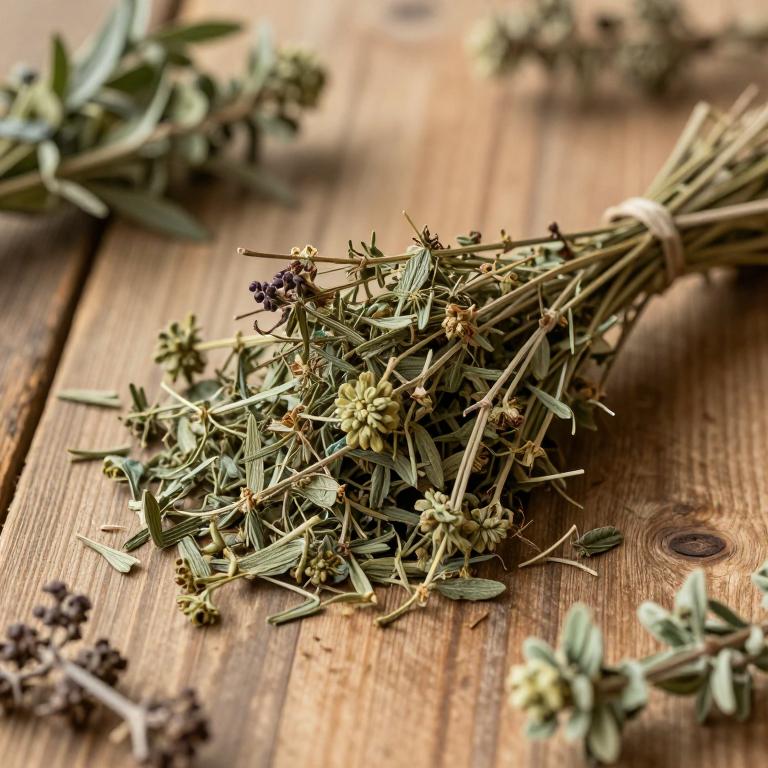
Cistus umbellatus is a distinctive shrub species known for its unique floral structures and medicinal potential. Researchers have increasingly focused on this plant to explore its complex biochemical profile and therapeutic properties. Significant studies have specifically utilized methanol extract preparations to isolate its bioactive compounds. Through the use of these methanol extracts, scientists aim to better understand the plant's pharmacological benefits. This ongoing investigation highlights the importance of Cistus umbellatus in the field of natural product chemistry.
- Synonyms
- Halimium Umbellatum
- Common names
- Not available
- Family
- Cistaceae
- Distribution
- Southern America
- Plant Parts
- Not available
Classification
Common Names
Cistus umbellatus is a fascinating botanical species known by several distinct common names across different regions and languages. In French-speaking areas, it is frequently referred to as Ciste en ombelle, Hélianthème en ombelle, or Hélianthème à bouquets. Moving into Czech contexts, the plant is identified by the name cist okolíkatý. Those exploring Portuguese nomenclature may encounter it under the moniker sargacinha-branca. These diverse names highlight the widespread recognition and cultural variety associated with this unique plant.
Sources: Catalogue of Life (COL)
Synonyms
Cistus umbellatus is a botanical subject frequently identified by several different scientific names in various taxonomic records. For instance, the species is widely recognized by its synonym Halimium umbellatum. Similarly, researchers often refer to this plant using the alternative designation Helianthemum umbellatum. These overlapping classifications can sometimes create confusion for students and botanists navigating complex plant databases. Understanding these synonymous relationships is essential for accurate identification and consistent scientific communication.
Sources: The World Checklist of Vascular Plants (WCVP)
Taxonomy
Cistus umbellatus is a distinctive botanical species belonging to the vast kingdom Plantae. Within this kingdom, it is classified under the class Equisetopsida, reflecting its fundamental plant structure. It further falls under the order Malvales, which connects it to a diverse group of flowering plants. More specifically, this species is a member of the Cistaceae family. Ultimately, it is defined by its placement within the well-known genus Cistus.
| Rank | Classification |
|---|---|
| Kingdom | Plantae |
| Phylum | Streptophyta |
| Class | Equisetopsida |
| Subclass | Magnoliidae |
| Order | Malvales |
| Family | Cistaceae |
| Genus | Cistus |
Sources: The World Checklist of Vascular Plants (WCVP)
Distribution
Geographic Regions
Cistus umbellatus is a versatile plant with a broad geographical distribution spanning several continents. In Africa, it can be found throughout Northern Africa, specifically within the regions of Algeria and Morocco. Its range extends into the temperate zones of Asia, where it thrives across the Lebanon-Syria border. The species is also well-established in Europe, appearing in the landscapes of Southeastern Europe, most notably in Greece. Additionally, it populates Southwestern Europe, making it a common sight in the natural environments of France.
Sources: The World Checklist of Vascular Plants (WCVP)
Identification
Morphology
Cistus umbellatus grows in a sturdy shrub form that provides a lush, textured appearance to any landscape. This plant is entirely self-supporting, maintaining its upright structure without the need for external stakes or trellises.
Sources: Global Inventory of Floras and Traits (GIFT)
Biological Activities
Compounds
Conditions
Cistus umbellatus, also referred to in the research as Halimium umbellatum, serves as an effective botanical agent against specific citrus pathogens. The methanol extract of this plant completely inhibits the development of Penicillium italicum, the organism responsible for citrus blue mould. Furthermore, the plant demonstrates strong antifungal activity against Geotrichum candidum, which is the causal agent of citrus sour rot. When applied to mandarin fruit, the extract significantly lowers the incidence of sour rot compared to untreated controls. These findings highlight the plant's ability to treat both P. italicum and citrus sour rot without causing phytotoxic effects on the fruit.
Preparations
Cistus umbellatus, also referred to as Halimium umbellatum in the provided research, is prepared as a methanol extract to evaluate its medicinal properties. These methanol extracts are specifically utilized to investigate antifungal activities against various citrus pathogens. In one study, the methanol extract of this plant completely inhibited the development of Penicillium italicum. Additionally, the methanol extracts demonstrated strong antifungal activity against the citrus sour rot agent Geotrichum candidum. Through these preparation methods, the plant shows significant potential as a sustainable alternative to synthetic fungicides.