Cistus umbellatus subsp. viscosus
Cistus umbellatus subsp. viscosus · Accepted scientific name
Scientific literature: Very Sparse (0 studies) · ★☆☆☆☆
Cistus umbellatus subsp. viscosus is a distinctive botanical specimen known for its unique morphological characteristics and chemical profile. Researchers have turned their attention to this subspecies to investigate its complex secondary metabolites. One significant method of studying its biological properties involves the use of an n-hexane extract. This specific preparation allows for the isolation of non-polar compounds that may possess therapeutic potential. Understanding the composition of this extract is essential for uncovering the medicinal value of the plant.
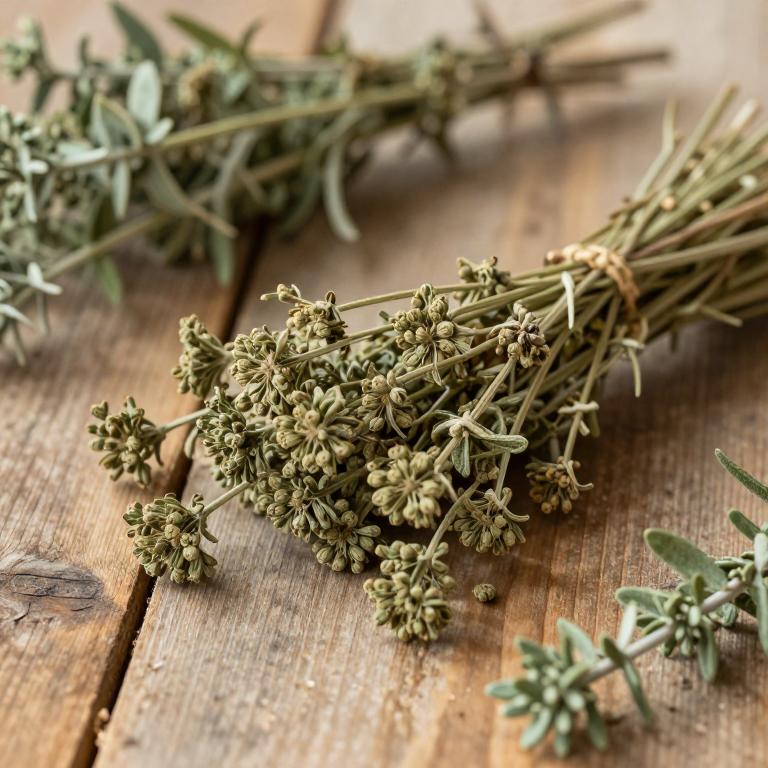
- Synonyms
- Halimium Umbellatum Var. Hirtum · Cistus Verticillatus · 15 more
- Common names
- Not available
- Family
- Cistaceae
- Distribution
- Asia-Tropical
- Plant Parts
- Not available
Classification
Common Names
Cistus umbellatus subsp. viscosus is a unique botanical specimen known by several distinct regional names. In Portuguese-speaking areas, it is commonly referred to as Sargacinho-pegajoso. Moving to Central Europe, the plant is identified by the Czech name devaterníkovec lepkavý. These diverse common names reflect the plant's widespread presence across different linguistic landscapes. Understanding these various identities helps botanists and enthusiasts locate the species in different parts of the world.
Sources: Catalogue of Life (COL)
Synonyms
Cistus umbellatus subsp. viscosus is a complex botanical entity that has been identified by several different scientific names throughout history. Its taxonomic journey includes synonyms such as Cistus umbellatus subvar. villosissimus and Cistus umbellatus var. verticillatus. Researchers have also categorized this plant under the names Cistus umbellatus var. viscosus and Cistus verticillatus. Furthermore, it has been linked to the classification Halimium umbellatum proles verticillatum in certain botanical contexts. Understanding these varying designations is essential for maintaining clarity in plant studies and documentation.
Sources: The World Checklist of Vascular Plants (WCVP)
Taxonomy
Cistus umbellatus subsp. viscosus is a distinctive botanical specimen belonging to the kingdom Plantae. Within this vast biological realm, it is classified under the class Equisetopsida. The plant follows the taxonomic order Malvales, showcasing its specific evolutionary placement. It is further categorized into the family Cistaceae, a group known for its unique characteristics. Finally, this subspecies is identified under the genus Cistus, completing its formal scientific profile.
| Rank | Classification |
|---|---|
| Kingdom | Plantae |
| Phylum | Streptophyta |
| Class | Equisetopsida |
| Subclass | Magnoliidae |
| Order | Malvales |
| Family | Cistaceae |
| Genus | Cistus |
Sources: The World Checklist of Vascular Plants (WCVP)
Distribution
Geographic Regions
Cistus umbellatus subsp. viscosus is a distinctive plant species characterized by a broad geographic range spanning two continents. In Africa, it is primarily found across Northern Africa, specifically within the territories of Algeria and Morocco. Its presence extends into Europe as well, where it thrives in the southwestern regions. Within this European landscape, the subspecies is commonly distributed throughout both Portugal and Spain. This wide distribution highlights the plant's ability to adapt to diverse Mediterranean environments.
Sources: The World Checklist of Vascular Plants (WCVP)
Identification
Biological Activities
Compounds
Conditions
Preparations
Cistus umbellatus subsp. viscosus is prepared as an n-hexane extract to facilitate the study of its chemical constituents. This specific extraction process allows researchers to examine both the acid and neutral portions of the plant material. Through this method, various known diterpenoids containing the ent-halimane skeleton were successfully isolated. The extraction also enabled the identification of five new compounds, including those with valparane skeletons. Ultimately, the n-hexane extract served as the essential medium for determining these complex molecular structures via spectroscopic methods.