Cistus umbellatus subsp. libani
Cistus umbellatus subsp. libani · Accepted scientific name
Scientific literature: Very Sparse (0 studies) · ★☆☆☆☆
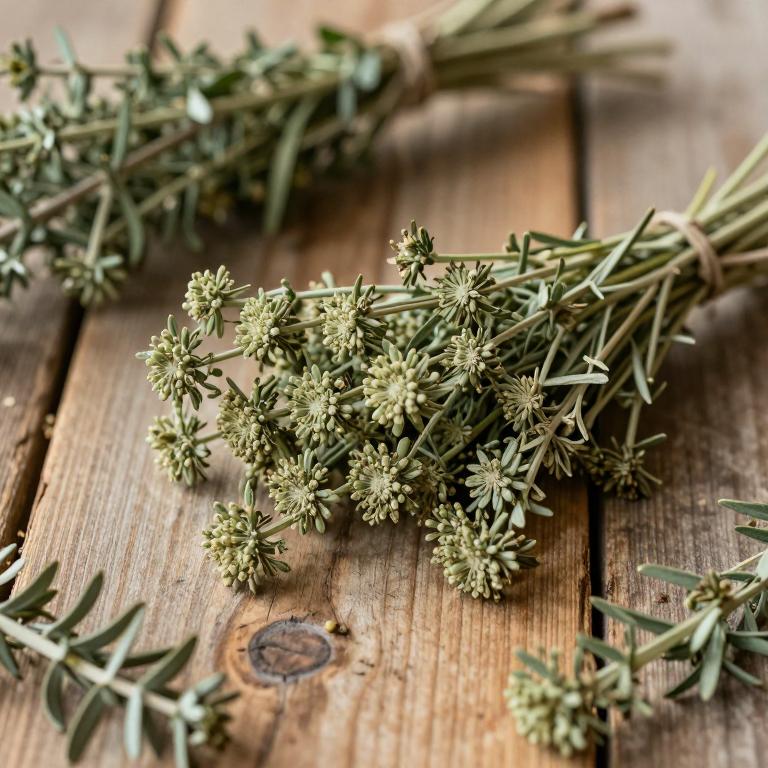
Cistus umbellatus subsp. libani is a distinctive botanical specimen known for its unique morphological characteristics. This specific subspecies is particularly noted for the chemical profile found within its foliage. Research has highlighted that the plant's leaf serves as a primary source of beneficial flavonoids. These natural compounds contribute significantly to the plant's biological and medicinal potential. Understanding the chemical makeup of this subspecies provides valuable insights into its ecological role.
- Synonyms
- Not available
- Common names
- Not available
- Family
- Cistaceae
- Distribution
- Not available
- Plant Parts
- Leaf
Classification
Taxonomy
Cistus umbellatus subsp. libani is a unique botanical specimen belonging to the vast kingdom Plantae. Within this expansive realm, it is classified under the class Equisetopsida. The plant further belongs to the order Malvales, which helps define its specific biological characteristics. It is a distinguished member of the Cistaceae family, showcasing the distinct traits typical of its lineage. Finally, its identity is solidified through its placement within the genus Cistus.
| Rank | Classification |
|---|---|
| Kingdom | Plantae |
| Phylum | Streptophyta |
| Class | Equisetopsida |
| Subclass | Magnoliidae |
| Order | Malvales |
| Family | Cistaceae |
| Genus | Cistus |
Sources: The World Checklist of Vascular Plants (WCVP)
Distribution
Geographic Regions
Cistus umbellatus subsp. libani is a distinct botanical variety found within the Asia-Temperate region. Its native range is specifically concentrated across Western Asia, flourishing in unique environmental niches. Within this geographic belt, the plant is most notably distributed throughout the territories of Lebanon and Syria. These specific locations provide the ideal ecological conditions necessary for its natural development and survival. Understanding this precise distribution is essential for researchers studying the biodiversity of the Levant.
Sources: The World Checklist of Vascular Plants (WCVP)
Identification
Biological Activities
Compounds
Cistus umbellatus subsp. libani belongs to a broader group of medicinal taxa where phytochemical profiles vary significantly between species. Within the study of related plants, specific polyphenolic compositions are used to distinguish one taxon from another. For instance, certain species within this genus are characterized by a polyphenolic profile that is primarily based on flavonoids. This chemical diversity is a key factor in understanding how different plants achieve their unique biological activities. Ultimately, the specific presence of these secondary metabolites helps link the plant's chemotype to its traditional medicinal uses.
Conditions
Preparations
Parts used
Cistus umbellatus subsp. libani features leaves that serve as a primary focus for studying specialized plant relationships. Much like the research conducted on various Helianthemum taxa, analyzing specific plant parts can reveal significant insights into their chemical composition. In the case of the Helianthemum genus, the leaves were found to contain distinct polyphenolic profiles that vary significantly between species. These leaf extracts demonstrate a strong correlation between total phenolic content and essential biological activities such as antioxidant and antimicrobial properties. Ultimately, understanding the specific components of these leaves helps bridge the gap between a plant's chemotype and its traditional medicinal uses.