Cissus
Cissus · Accepted scientific name
Scientific literature: Very Sparse (0 studies) · ★☆☆☆☆
Cissus is a diverse genus of climbing vines that has gained significant attention for its potential therapeutic properties. Many people utilize this plant to support joint health and bolster physical recovery after intense activity. Rather than being used alone, it is frequently integrated into sophisticated combination products designed to maximize efficacy. These blends often pair Cissus with other botanical extracts to target specific wellness goals more effectively. Understanding how these preparations work is essential for anyone looking to incorporate this plant into their daily routine.
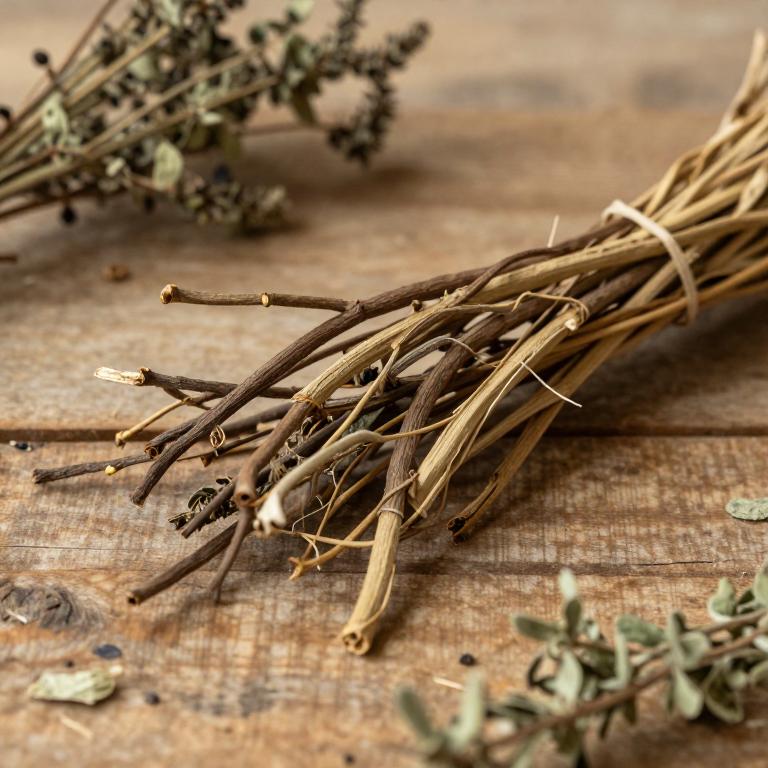
- Synonyms
- Kemoxis · Rinxostylis · 4 more
- Common names
- Not available
- Family
- Vitaceae
- Distribution
- Not available
- Plant Parts
- Not available
Classification
Common Names
Cissus is a versatile plant known by a variety of different names depending on the region. It is frequently referred to by its common name, Frenk asması, in certain local contexts. Some enthusiasts also recognize the species under the moniker Wildedruiwe or simply as cisus. Additionally, it has been called kissukset in various traditional settings. Finally, many people identify this climbing plant by its descriptive name, treebine.
Sources: Catalogue of Life (COL)
Synonyms
Cissus is a diverse genus that has historically been classified under various other botanical names. Throughout taxonomic studies, it has been linked to several synonyms, including Adenopetalum and Irsiola. Researchers have also identified connections to the names Kemoxis and Pterocissus within different historical records. Furthermore, the genus has been associated with the synonym Rinxostylis in certain scientific contexts. Understanding these complex relationships is essential for anyone studying the evolving classification of this plant group.
Sources: The World Checklist of Vascular Plants (WCVP)
Taxonomy
Cissus belongs to the vast kingdom Plantae, encompassing a diverse array of multicellular organisms. Within this kingdom, the plant is classified under the class Equisetopsida. It further descends through the order Vitales to find its specific botanical placement. This lineage leads directly to the family Vitaceae, where it shares characteristics with other climbing vines. Ultimately, the plant is defined by its membership in the genus Cissus.
| Rank | Classification |
|---|---|
| Kingdom | Plantae |
| Phylum | Streptophyta |
| Class | Equisetopsida |
| Subclass | Magnoliidae |
| Order | Vitales |
| Family | Vitaceae |
| Genus | Cissus |
Sources: The World Checklist of Vascular Plants (WCVP)
Distribution
Geographic Regions
Cissus exhibits a widespread presence across the diverse landscapes of the African continent. Within East Tropical Africa, the genus can be found thriving in the varied environments of Kenya, Tanzania, and Uganda. Its reach also extends into the Northeast Tropical Africa region, marking significant occurrences in Chad. Additionally, the plant is documented within the unique terrain of Djibouti. This broad distribution highlights the remarkable adaptability of Cissus to different African climates.
Sources: The World Checklist of Vascular Plants (WCVP)
Identification
Biological Activities
Compounds
Conditions
Preparations
Cissus is prepared as combination products to address various metabolic health concerns. These specific formulations have demonstrated superior efficacy compared to placebos in managing body weight reduction. Additionally, using Cissus in these combinations helps lower low-density lipoprotein, triglycerides, and total cholesterol levels. The products also show a significant impact on reducing fasting blood sugar. While these combination products provide clear benefits for obesity and overweight management, further high-quality research is still required.