Cissus trifoliata
Cissus trifoliata · Accepted scientific name
Scientific literature: Very Sparse (1 studies) · ★☆☆☆☆
Cissus trifoliata is a medicinal plant known for its significant therapeutic potential in traditional healing practices. The leaves of this species contain vital chemical compounds, including sterols, terpenes, and 2,3-dihydroxypropyl tetracosanate. When prepared from the leaves, these components provide potent antibacterial activities that are useful for various health concerns. This plant is frequently utilized to address serious conditions such as abscesses, infectious diseases, and tumors. Consequently, the biochemical profile of Cissus trifoliata makes it a subject of great interest for natural medicine.
- Synonyms
- Not available
- Common names
- Not available
- Family
- Not available
- Distribution
- Southern America
- Plant Parts
- Leaf
Classification
Distribution
Identification
Biological Activities
Cissus trifoliata possesses notable medicinal properties that warrant further scientific investigation. Research into related species such as Cissus incisa has already begun to validate traditional uses by identifying potent bioactive compounds. Specifically, certain constituents isolated from these plants have demonstrated significant antibacterial activity against various pathogens. This includes effectiveness against challenging bacteria like Pseudomonas aeruginosa, which is resistant to carbapenems. Such findings highlight the immense potential of these botanical sources in the development of new antimicrobial drugs.
Compounds
Conditions
Cissus trifoliata is utilized in traditional Mexican medicine to treat various ailments. Specifically, the plant's leaves have been used to address skin infections and abscesses. Research also indicates its application in treating infectious diseases. Furthermore, the plant is known to treat cancerous diseases and tumors. These diverse medicinal uses are supported by the presence of bioactive phytocompounds.
Preparations
Cissus trifoliata is not mentioned in the provided abstract, which focuses exclusively on the medicinal properties of Cissus incisa. The text details how Cissus incisa is prepared as leaves to extract various sphingolipids and phytocompounds. These leaf-derived constituents are being studied for their significant antibacterial and cytotoxic activities. Specifically, the research investigates how compounds isolated from the leaves can treat infectious or cancerous diseases. Consequently, the scientific validation of these leaf preparations supports the traditional use of the Cissus species in Mexican medicine.
Parts used
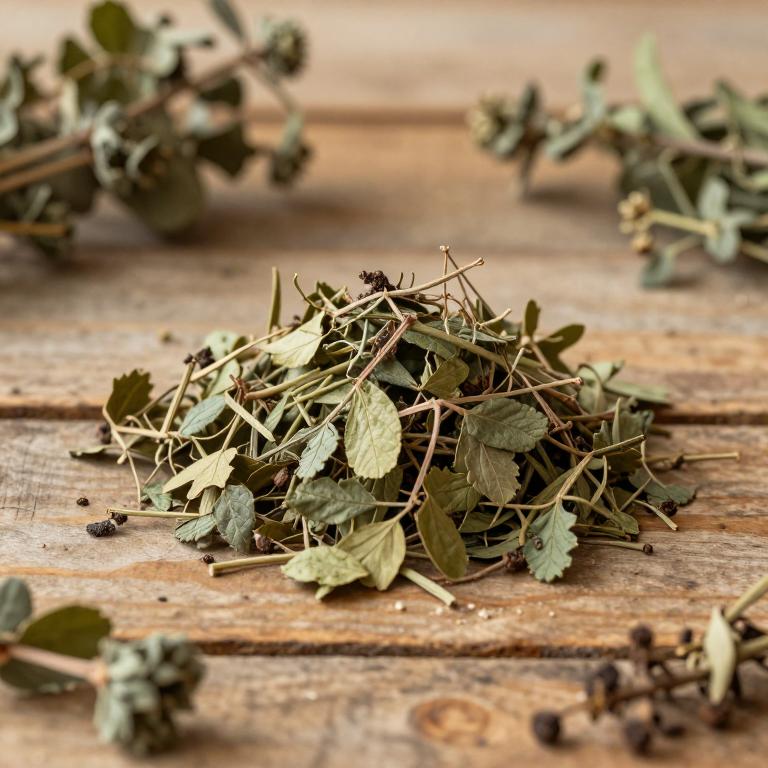
Cissus trifoliata possesses specific botanical characteristics, including the utilization of its leaf as a primary plant part. While research often focuses on related species like Cissus incisa, the importance of leaf-derived components remains a central theme in phytochemistry. In similar Vitaceae species, the leaves serve as a rich source of bioactive metabolites such as sphingolipids and terpenes. These leaf extracts have demonstrated significant potential in treating infections and various cancer cell lines in traditional medicinal practices. Understanding these plant-part relationships is essential for identifying new drug sources within the diverse Mexican flora.