Cipadessa
Cipadessa · Accepted scientific name
Scientific literature: Very Sparse (0 studies) · ★☆☆☆☆
Cipadessa is a remarkable genus of flowering plants known for its unique botanical properties and ecological significance. Within its complex chemical profile, researchers have identified potent compounds such as cryptomeridiol and febrifugin. The plant also contains specialized metabolites like khayasin T and methyl angolensate, which contribute to its distinct biological activity. These various chemical constituents make the genus a subject of significant interest in pharmacological studies. Understanding the diverse makeup of Cipadessa continues to open new doors in the field of natural product chemistry.
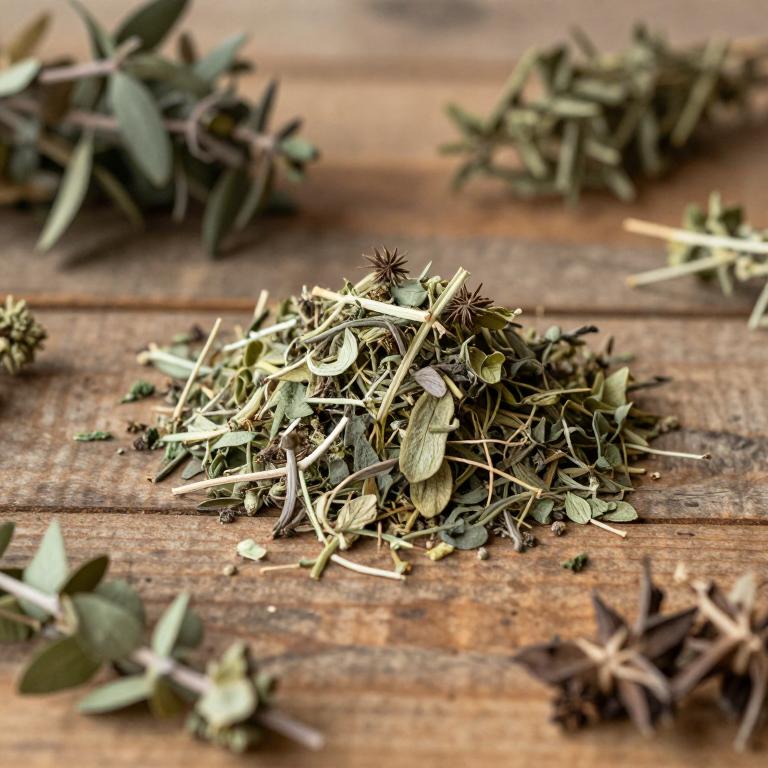
- Synonyms
- Mallea
- Common names
- Not available
- Family
- Meliaceae
- Distribution
- Not available
- Plant Parts
- Not available
Classification
Common Names
Cipadessa is a distinctive plant known by various names across different linguistic landscapes. In the Malayalam language, it is affectionately referred to by its common name, കൈപ്പനാറച്ചി. Moving to a different cultural context, the plant is also recognized in Chinese as 浆果楝属. These diverse naming conventions highlight the global presence and cultural significance of the species. Understanding these regional terms helps enthusiasts identify the plant regardless of where they are in the world.
Sources: Catalogue of Life (COL)
Synonyms
Cipadessa is a genus of flowering plants that has undergone significant taxonomic reevaluation over the years. In botanical literature, it is frequently noted that the name Mallea serves as a formal synonym for this group. This connection often leads to confusion for researchers navigating historical herbarium records and older scientific texts. Understanding this relationship is essential for ensuring accurate identification and consistent classification within the family. Therefore, recognizing Mallea as an alternative label is key to mastering the complex nomenclature of the genus.
Sources: The World Checklist of Vascular Plants (WCVP)
Taxonomy
Cipadessa is a distinctive botanical entity belonging to the kingdom Plantae. Within this vast kingdom, it is classified under the class Equisetopsida. This plant specifically falls under the order Sapindales, showcasing its unique evolutionary lineage. It further belongs to the family Meliaceae, a group known for its diverse members. Ultimately, it is defined by its own unique genus, Cipadessa.
| Rank | Classification |
|---|---|
| Kingdom | Plantae |
| Phylum | Streptophyta |
| Class | Equisetopsida |
| Subclass | Magnoliidae |
| Order | Sapindales |
| Family | Meliaceae |
| Genus | Cipadessa |
Sources: The World Checklist of Vascular Plants (WCVP)
Distribution
Geographic Regions
Cipadessa exhibits a diverse geographic range that spans across various climatic zones in Asia. In temperate regions, the genus is found throughout much of China, including both South-Central and Southeast territories. Its presence extends significantly into tropical landscapes, particularly within the Indian Subcontinent. Specifically, these plants thrive in the diverse environments of India, Bangladesh, and the East Himalaya. This wide distribution highlights the genus's remarkable ability to adapt to both temperate and tropical ecosystems.
Sources: The World Checklist of Vascular Plants (WCVP)
Identification
Biological Activities
Compounds
Cipadessa baccifera is a highly diverse medicinal plant that contains a vast array of natural products. Phytochemical surveys have identified several bioactive compounds within the species, including cryptomeridiol and febrifugin. Additionally, the plant is known to contain khayasin T, which contributes to its complex chemical profile. Research also highlights the presence of methyl angolensate, a molecule noted for its anti-inflammatory properties. These various constituents underscore the significant pharmacological potential of the Cipadessa genus.