cinnamon
Cinnamomum · Accepted scientific name
Scientific literature: Sparse (59 studies) · ★★☆☆☆
Cinnamon, scientifically known as Cinnamomum, is a versatile medicinal plant celebrated for its potent therapeutic properties. Rich in antioxidants and anti-inflammatory compounds, it is widely used to regulate blood sugar, support digestive health, and combat infections. This aromatic bark remains a cornerstone in both traditional healing and modern wellness.
- Family
- Lauraceae
- Native range
- Africa
- Parts used
- Not available
- Common names
- Cinnamon
- Scientific synonyms
- Camphorina · Cecidodaphne · 1 more
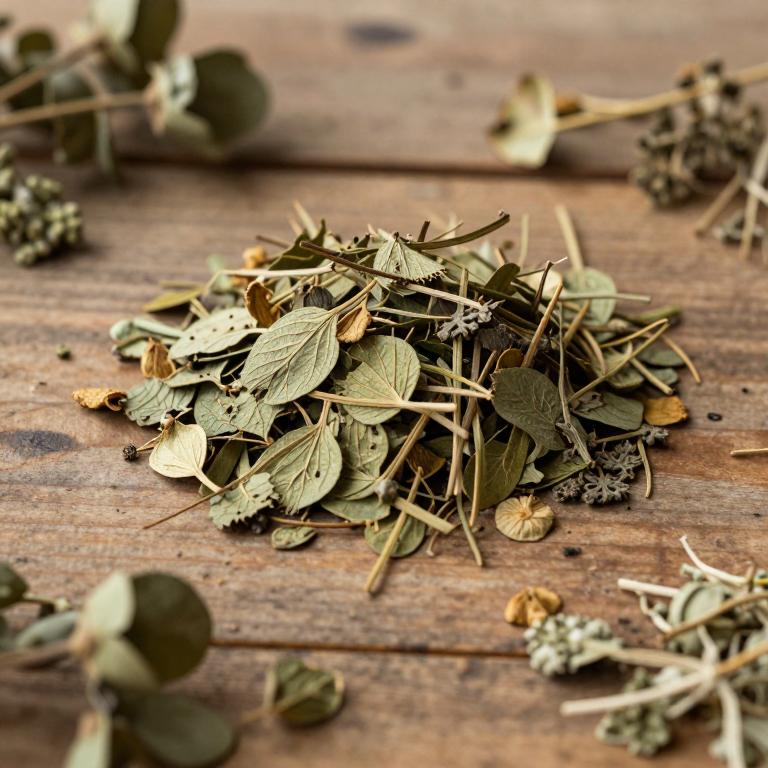
Names and Synonyms
Common Names
- cinnamon
Scientific Names
Accepted name
CinnamomumSynonyms
- Camphorina
- Cecidodaphne
- Temmodaphne
Regional and Traditional Names
Spanish:
- Canelas
French:
- Malabarthe
- Malobarthe
Sources: Wikidata, Catalogue of Life
Taxonomical Classification
This plant belongs to the kingdom Plantae within the phylum Streptophyta and is classified under the class Equisetopsida. It resides in the subclass Magnoliidae and the order Laurales, falling specifically under the family Lauraceae. Ultimately, the medicinal specimen is identified by its genus, Cinnamomum.
| Rank | Classification |
|---|---|
| Kingdom | Plantae |
| Phylum | Streptophyta |
| Class | Equisetopsida |
| Subclass | Magnoliidae |
| Order | Laurales |
| Family | Lauraceae |
| Genus | Cinnamomum |
Sources: The World Checklist of Vascular Plants (WCVP)
Distribution
This plant exhibits a diverse geographical distribution spanning several key tropical regions. In West-Central Tropical Africa, its presence is noted around the Gulf of Guinea Islands. Moving to East Tropical Africa, it can be found within the borders of Tanzania. The species also extends into South Tropical Africa, specifically documented in Angola. Finally, its reach includes the Western Indian Ocean, where it inhabits both the Comoros and Mauritius.
| Region | Area |
|---|---|
| West-Central Tropical Africa | Gulf of Guinea Is. |
| East Tropical Africa | Tanzania |
| South Tropical Africa | Angola |
| Western Indian Ocean | Comoros |
| Western Indian Ocean | Mauritius |
| Western Indian Ocean | Seychelles |
| China | China South-Central |
| China | Hainan |
| China | China North-Central |
| China | China Southeast |
Sources: The World Checklist of Vascular Plants (WCVP)
Chemicals
Cinnamomum has 19 reported phytochemicals identified across 0 scientific publications and several other databases. The most consistently reported chemicals include Actinodaphnine, Anthraquinones, CAMPHENE, CINNAMIC ACID, Carboxylic acid.
| Chemical | Supporting sources | Consensus |
|---|---|---|
| Actinodaphnine | 1 supporting sources | ★☆☆☆☆ |
| Anthraquinones | 1 supporting sources | ★☆☆☆☆ |
| CAMPHENE | 1 supporting sources | ★☆☆☆☆ |
| CINNAMIC ACID | 1 supporting sources | ★☆☆☆☆ |
| Carboxylic acid | 1 supporting sources | ★☆☆☆☆ |
| Coumarins | 1 supporting sources | ★☆☆☆☆ |
| Fatty acids | 1 supporting sources | ★☆☆☆☆ |
| Flavonoids | 1 supporting sources | ★☆☆☆☆ |
| Lignans | 1 supporting sources | ★☆☆☆☆ |
| Phenols | 1 supporting sources | ★☆☆☆☆ |
Actinodaphnine
- The Journal of pharmacy and pharmacology
Anthraquinones
- The Journal of pharmacy and pharmacology
CAMPHENE
- The Journal of pharmacy and pharmacology
CINNAMIC ACID
- Pharmaceuticals (Basel, Switzerland)
Carboxylic acid
- The Journal of pharmacy and pharmacology
Coumarins
- The Journal of pharmacy and pharmacology
Fatty acids
- The Journal of pharmacy and pharmacology
Flavonoids
- The Journal of pharmacy and pharmacology
Lignans
- The Journal of pharmacy and pharmacology
Phenols
- The Journal of pharmacy and pharmacology
Activities
Cinnamomum has 19 reported activities identified across 0 scientific publications and several other databases. The most consistently reported activities include Antibacterial, Antioxidant, Antifungal, Antimicrobial, Antitumor.
| Activity | Supporting sources | Consensus |
|---|---|---|
| Antibacterial | 3 supporting sources | ★★☆☆☆ |
| Antioxidant | 3 supporting sources | ★★☆☆☆ |
| Antifungal | 2 supporting sources | ★☆☆☆☆ |
| Antimicrobial | 2 supporting sources | ★☆☆☆☆ |
| Antitumor | 2 supporting sources | ★☆☆☆☆ |
| Antiviral | 2 supporting sources | ★☆☆☆☆ |
| Analgesic | 1 supporting sources | ★☆☆☆☆ |
| Antidepressant | 1 supporting sources | ★☆☆☆☆ |
| Antidiabetic | 1 supporting sources | ★☆☆☆☆ |
| Antihypertensive | 1 supporting sources | ★☆☆☆☆ |
Antibacterial
- Nutrients
- The Journal of pharmacy and pharmacology
- Pharmaceuticals (Basel, Switzerland)
Antioxidant
- The Journal of pharmacy and pharmacology
- Fitoterapia
- Clinical nutrition (Edinburgh, Scotland)
Antifungal
- The Journal of pharmacy and pharmacology
- Clinical nutrition (Edinburgh, Scotland)
Antimicrobial
- Fitoterapia
- Clinical nutrition (Edinburgh, Scotland)
Antitumor
- Fitoterapia
- Clinical nutrition (Edinburgh, Scotland)
Antiviral
- The Journal of pharmacy and pharmacology
- Clinical nutrition (Edinburgh, Scotland)
Analgesic
- Fitoterapia
Antidepressant
- Pharmaceuticals (Basel, Switzerland)
Antidiabetic
- Clinical nutrition (Edinburgh, Scotland)
Antihypertensive
- Clinical nutrition (Edinburgh, Scotland)
Conditions
Cinnamomum has 8 reported investigations on conditions identified across 0 scientific publications and several other databases. The most consistently reported conditions include Parkinson's disease, antidepressant, blood pressure, cholesterol, diabetes complications.
| Condition | Supporting sources | Consensus |
|---|---|---|
| Parkinson's disease | 1 supporting sources | ★☆☆☆☆ |
| Antidepressant | 1 supporting sources | ★☆☆☆☆ |
| Blood pressure | 1 supporting sources | ★☆☆☆☆ |
| Cholesterol | 1 supporting sources | ★☆☆☆☆ |
| Diabetes complications | 1 supporting sources | ★☆☆☆☆ |
| Hypoglycemic | 1 supporting sources | ★☆☆☆☆ |
| Infectious diseases | 1 supporting sources | ★☆☆☆☆ |
| Neurodegenerative diseases | 1 supporting sources | ★☆☆☆☆ |
Parkinson's disease
- Journal of biochemical and molecular toxicology
Antidepressant
- Pharmaceuticals (Basel, Switzerland)
Blood pressure
- Pharmaceuticals (Basel, Switzerland)
Cholesterol
- The Journal of pharmacy and pharmacology
Diabetes complications
- BMC complementary and alternative medicine
Hypoglycemic
- Pharmaceuticals (Basel, Switzerland)
Infectious diseases
- The Journal of pharmacy and pharmacology
Neurodegenerative diseases
- Journal of biochemical and molecular toxicology
Preparations
Cinnamomum has 3 reported preparations identified across 0 scientific publications and several other databases. The most consistently reported preparations include Common Grindings Powder, Ultramicro-powder, extractable oils.
| Preparation | Supporting sources | Consensus |
|---|---|---|
| Common grindings powder | 1 supporting sources | ★☆☆☆☆ |
| Ultramicro-powder | 1 supporting sources | ★☆☆☆☆ |
| Extractable oils | 1 supporting sources | ★☆☆☆☆ |
Common grindings powder
- Zhong yao cai = Zhongyaocai = Journal of Chinese medicinal materials
Ultramicro-powder
- Zhong yao cai = Zhongyaocai = Journal of Chinese medicinal materials
Extractable oils
- Journal of AOAC International