Cinnamomum impressinervium
Cinnamomum impressinervium · Accepted scientific name
Scientific literature: Very Sparse (0 studies) · ★☆☆☆☆
Cinnamomum impressinervium is a distinctive botanical species that has garnered significant interest within the realm of ethnopharmacology. Recent scientific investigations have focused on its potential therapeutic applications, particularly regarding metabolic regulation. The plant is being studied for its bioactive compounds that may assist in managing the complexities of Diabetes Mellitus. Researchers are specifically examining how its chemical constituents might influence glucose homeostasis and insulin sensitivity. Understanding these properties could eventually provide new natural avenues for supporting patients living with this chronic condition.
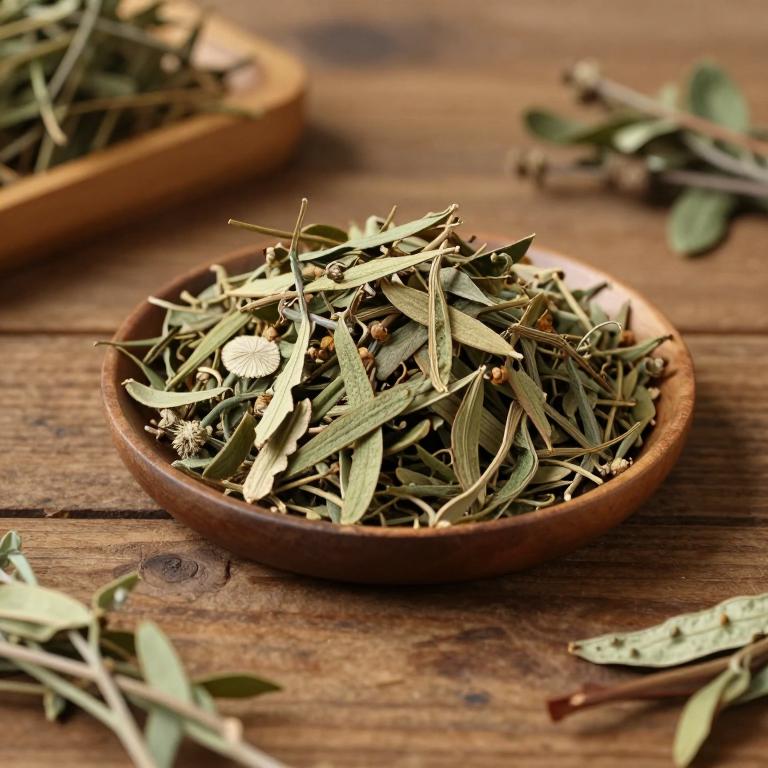
- Synonyms
- Cinnamomum Cacharense
- Common names
- Not available
- Family
- Lauraceae
- Distribution
- Africa
- Plant Parts
- Not available
Classification
Common Names
Cinnamomum impressinervium is a distinctive botanical species known to many by its common name, Sung soar koong. This plant belongs to the rich cinnamon family, often characterized by its unique leaf structures and aromatic properties. Understanding its local identity helps researchers and enthusiasts better categorize its role within its native ecosystem. As a member of the Cinnamomum genus, it shares close evolutionary ties with other widely recognized fragrant trees. Learning the specific terminology associated with Sung soar koong is essential for anyone studying regional biodiversity.
Sources: Catalogue of Life (COL)
Synonyms
Cinnamomum impressinervium is a botanical species that has been identified through various taxonomic classifications over time. Within the scientific literature, this plant is known to have several recognized synonyms that reflect its complex history. Specifically, it has been referred to as Cinnamomum albiflorum in previous studies. Furthermore, the name Cinnamomum cacharense also serves as a formal synonym for this particular species. Understanding these overlapping names is essential for researchers tracking the plant's identity and distribution.
Sources: The World Checklist of Vascular Plants (WCVP)
Taxonomy
Cinnamomum impressinervium is a distinctive member of the kingdom Plantae. This species is classified under the class Equisetopsida and belongs to the order Laurales. Within this taxonomic hierarchy, it is nested specifically in the family Lauraceae. It further defines its botanical identity through its placement in the genus Cinnamomum. Understanding these relationships provides essential insight into the plant's evolutionary lineage.
| Rank | Classification |
|---|---|
| Kingdom | Plantae |
| Phylum | Streptophyta |
| Class | Equisetopsida |
| Subclass | Magnoliidae |
| Order | Laurales |
| Family | Lauraceae |
| Genus | Cinnamomum |
Sources: The World Checklist of Vascular Plants (WCVP)
Distribution
Geographic Regions
Cinnamomum impressinervium exhibits a broad and diverse geographical range spanning across multiple Asian climates. In temperate regions, this species is notably found within China and the South-Central parts of the country. Its tropical presence is equally significant, stretching across the Indian Subcontinent to include areas such as Assam, Bangladesh, and the East Himalaya. Furthermore, the plant maintains a strong established foothold throughout various parts of India. This wide distribution highlights the botanical versatility of the species across both temperate and tropical landscapes.
Sources: The World Checklist of Vascular Plants (WCVP)
Identification
Morphology
Cinnamomum impressinervium grows in a distinct tree form, establishing a sturdy presence within its ecosystem. This species is entirely self-supporting, allowing it to maintain its upright structure without the need for external assistance.
Sources: Global Inventory of Floras and Traits (GIFT)
Biological Activities
Compounds
Conditions
Cinnamomum impressinervium is documented as a medicinal plant used by the rural community of the Dhemaji district in Assam to treat diabetes mellitus. This specific species was identified through interviews with local households regarding their traditional remedies for diabetic ailments. According to the survey, the use of this plant for managing diabetes is being recorded for the first time in globally published literature. Its inclusion in the ethnobotanical inventory highlights its role in the primary health care practices of the region. This finding emphasizes the plant's functional value in treating diabetes mellitus and related symptoms within the local population.