Cinnamomum caryophyllus
Cinnamomum caryophyllus · Accepted scientific name
Scientific literature: Very Sparse (0 studies) · ★☆☆☆☆
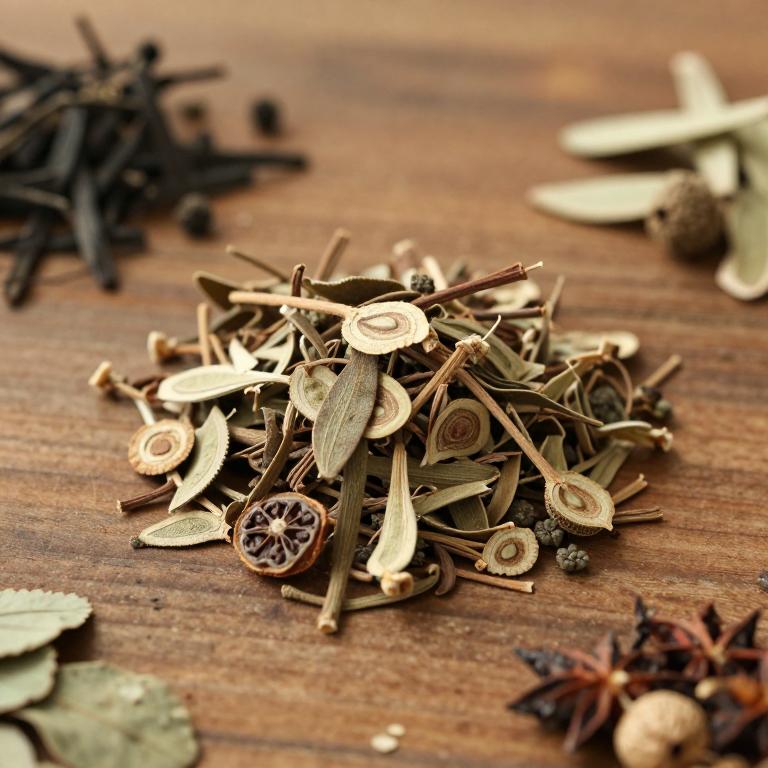
Cinnamomum caryophyllus, commonly known as true clove, is a tropical evergreen tree highly valued for its aromatic properties. The dried flower buds of this species serve as a primary source of essential oils and bioactive compounds. In pharmacological research, crude ethanol extracts are frequently utilized to isolate these potent secondary metabolites. These preparations are studied extensively for their diverse antioxidant, antimicrobial, and anti-inflammatory activities. Understanding the chemical profile of these extracts is essential for developing new therapeutic applications.
- Synonyms
- Laurus Caryophyllus
- Common names
- Not available
- Family
- Lauraceae
- Distribution
- Not available
- Plant Parts
- Not available
Classification
Synonyms
Cinnamomum caryophyllus is a botanical name that has historically been associated with several different taxonomic designations. In various scientific records, this species is identified by the synonym Laurus caryophyllata. Researchers have also encountered the name Laurus caryophyllus when documenting its botanical characteristics. These overlapping synonyms highlight the complex linguistic history involved in classifying this particular plant. Understanding these nomenclatural relationships is essential for maintaining accuracy within botanical databases.
Sources: The World Checklist of Vascular Plants (WCVP)
Taxonomy
Cinnamomum caryophyllus is a distinguished member of the kingdom Plantae. Within this vast biological realm, it belongs to the class Equisetopsida. Its taxonomic journey continues through the order Laurales, which helps define its specific evolutionary path. This plant is further classified under the family Lauraceae, a group known for its aromatic properties. Ultimately, it resides within the genus Cinnamomum, marking its place in the natural world.
| Rank | Classification |
|---|---|
| Kingdom | Plantae |
| Phylum | Streptophyta |
| Class | Equisetopsida |
| Subclass | Magnoliidae |
| Order | Laurales |
| Family | Lauraceae |
| Genus | Cinnamomum |
Sources: The World Checklist of Vascular Plants (WCVP)
Distribution
Geographic Regions
Cinnamomum caryophyllus is a plant primarily characterized by its widespread distribution across the tropical regions of Asia. This species thrives within the humid environments of Indo-China, finding ideal growing conditions in the local climate. Within this vast range, Vietnam serves as a significant geographical stronghold for its natural presence. The plant's ability to adapt to these specific tropical latitudes highlights its ecological importance to the region. Consequently, understanding its habitat is essential for studying its role within the diverse ecosystems of Southeast Asia.
Sources: The World Checklist of Vascular Plants (WCVP)
Identification
Biological Activities
Compounds
Conditions
Cinnamomum caryophyllus is one of several Cambodian medicinal plant extracts that demonstrated high hepatoprotective activities against cytotoxicity. In the study, this specific extract helped mitigate damage induced by tert-butyl hydroperoxide (t-BHP) in human liver-derived HepG2 cells. It was identified among 19 high-performing extracts that exhibited half maximal effective concentrations ranging between 59.23 and 157.80 µg/ml. By acting against t-BHP-induced injury, the plant shows potential for addressing oxidative stress in liver cells. This relationship highlights its capability to serve as a protective agent in models of chemical-induced hepatotoxicity.
Preparations
Cinnamomum caryophyllus is prepared as one of the crude ethanol extracts investigated for its potential medicinal properties. This specific plant was identified among 19 extracts that exhibited high hepatoprotective activities against tert-butyl hydroperoxide-induced cytotoxicity. Within the study of 64 Cambodian medicinal plants, the extract of Cinnamomum caryophyllus showed significant effectiveness in HepG2 cells. Its potency was measured through half maximal effective concentrations ranging between 59.23 and 157.80 µg/ml. Consequently, this ethanol-based preparation represents a key subject in the search for therapeutic applications against oxidative stress in liver diseases.