Cicuta
Cicuta · Accepted scientific name
Scientific literature: Very Sparse (0 studies) · ★☆☆☆☆
Cicuta is a genus of highly toxic herbaceous plants often mistaken for edible wild parsnips or water parsnips. These plants contain potent cicutoxin, a powerful neurotoxin that attacks the central nervous system almost immediately upon ingestion. Even small amounts of the plant can lead to rapid onset of violent seizures and respiratory failure. Because there is no specific antidote for this poison, medical intervention is often unable to prevent the inevitable progression of symptoms. Consequently, contact with this genus is associated with extreme danger and consistently fatal outcomes.
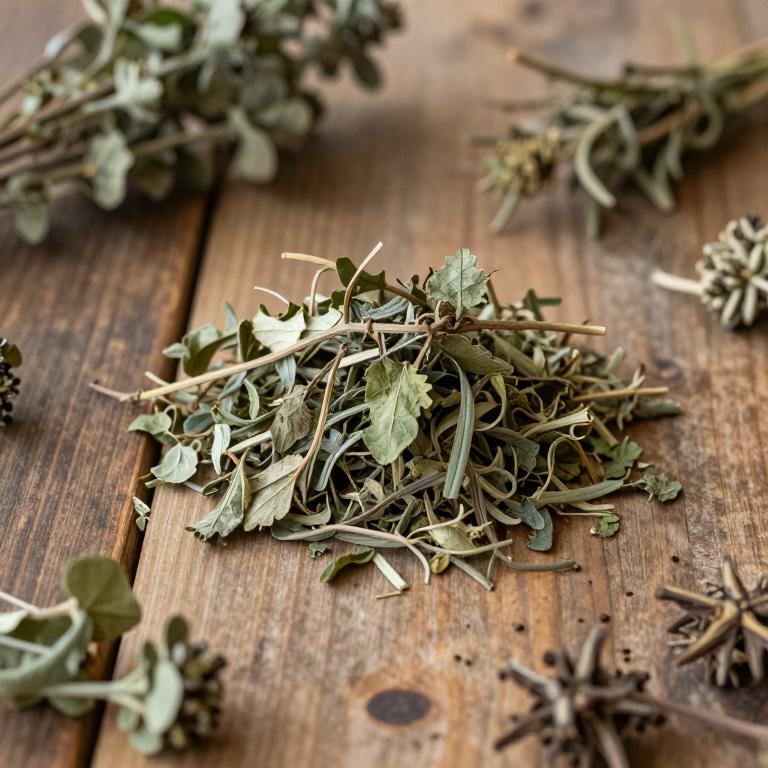
- Synonyms
- Keraskomion
- Common names
- Not available
- Family
- Apiaceae
- Distribution
- Africa
- Plant Parts
- Not available
Classification
Common Names
Cicuta is a genus of plants known by a wide variety of regional common names across different languages. In certain areas, it is referred to as Gifttydeslægten, reflecting its inherent toxicity. It also carries the name Mexican in specific linguistic contexts, highlighting its global presence. Other regions identify the plant as Mürkputk or through the designation Selsnepeslekta/selsnepeslekten. Finally, the species is sometimes known by the name Subaldırğanı, illustrating the diverse nomenclature used to describe it.
Sources: Catalogue of Life (COL)
Synonyms
Cicuta is a genus of highly toxic plants that are widely recognized by botanists and researchers. Within scientific literature, this genus is also frequently identified by its synonym, Keraskomion. Understanding these nomenclature relationships is essential for accurate identification in the field. By recognizing both names, experts can ensure consistency when documenting various species within the group. This connection helps bridge the gap between historical botanical classifications and modern taxonomic studies.
Sources: The World Checklist of Vascular Plants (WCVP)
Taxonomy
Cicuta belongs to the diverse kingdom Plantae, representing a specialized group of living organisms. Within this kingdom, the plant is classified under the class Equisetopsida. It further falls into the order Apiales, which helps define its botanical structure. As a member of the family Apiaceae, it shares characteristics with many well-known flowering plants. Ultimately, its specific identity is defined by its placement within the genus Cicuta.
| Rank | Classification |
|---|---|
| Kingdom | Plantae |
| Phylum | Streptophyta |
| Class | Equisetopsida |
| Subclass | Magnoliidae |
| Order | Apiales |
| Family | Apiaceae |
| Genus | Cicuta |
Sources: The World Checklist of Vascular Plants (WCVP)
Distribution
Geographic Regions
Cicuta exhibits a widespread distribution pattern throughout several key regions of the Asia-Temperate zone. Its presence is firmly established in the Caucasus and Transcaucasus, stretching across diverse mountainous terrains. The plant also thrives within Central Asia, specifically documented in the landscapes of Kazakhstan and Kirgizstan. Furthermore, its range extends into the northern-central regions of China. Collectively, these locations highlight the significant geographic footprint of the genus across the Asian continent.
Sources: The World Checklist of Vascular Plants (WCVP)
Identification
Biological Activities
Compounds
Conditions
Cicuta is identified as a significant contributor to plant-related deaths based on poison control data. Specifically, species within the Cicuta genus were responsible for a substantial portion of fatal outcomes recorded between 1983 and 2009. When combined with Datura, these plants accounted for 35.5% of all plant-related fatalities. This relationship highlights the extreme toxicity and danger associated with ingesting such species. Consequently, Cicuta is directly linked to high mortality rates in cases of plant ingestion.