chicory
Cichorium · Accepted scientific name
Scientific literature: Very Sparse (6 studies) · ★☆☆☆☆
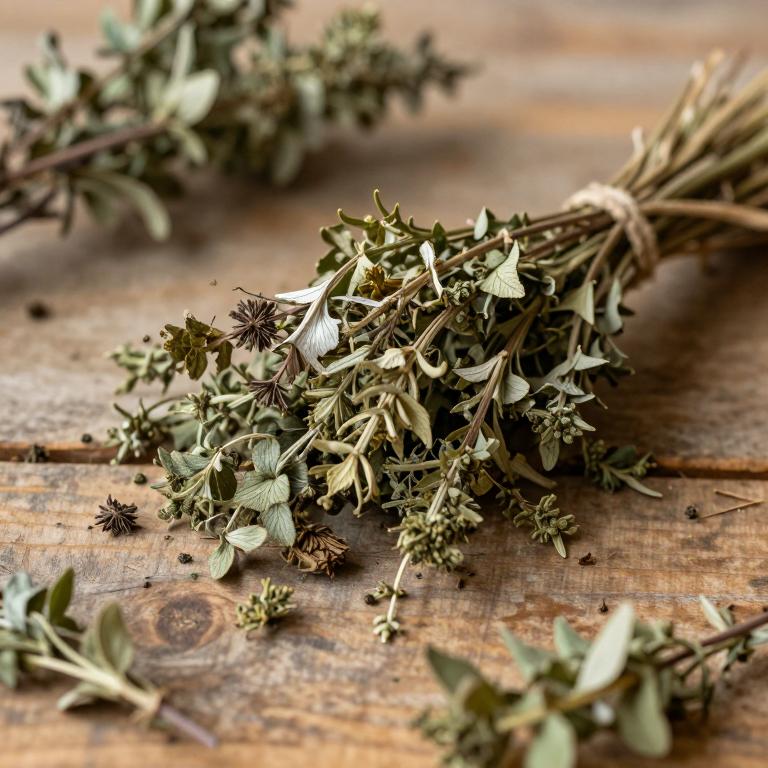
Chicory, scientifically known as Cicorium, is a resilient perennial herb cherished for its multifaceted medicinal and culinary properties. Renowned for supporting digestive health and liver function, it contains valuable inulin. From its vibrant blue flowers to its bitter roots, this plant offers profound benefits in traditional herbal wellness.
- Family
- Asteraceae
- Native range
- Europe
- Parts used
- Not available
- Common names
- Chicory · Chicories And Endives
- Scientific synonyms
- Endivia · Acanthophyton
Names and Synonyms
Common Names
- chicory
- chicories and endives
Scientific Names
Accepted name
CichoriumSynonyms
- Endivia
- Acanthophyton
Regional and Traditional Names
Spanish:
- Achicorias y escarolas
German:
- Wegwarten
- Cichorium Intybus
- Zichorien
- Wegwarte
- Wegwarten
French:
- chicorée
- Chicoree
- Chicorée
- chicorées et endives
Sources: Wikidata, Catalogue of Life
Taxonomical Classification
This plant belongs to the kingdom Plantae and the phylum Streptophyta, falling under the class Equisetopsida and subclass Magnoliidae. Within the order Asterales, it is classified under the family Asteraceae. Its specific taxonomic identity is defined by the genus Cichorium.
| Rank | Classification |
|---|---|
| Kingdom | Plantae |
| Phylum | Streptophyta |
| Class | Equisetopsida |
| Subclass | Magnoliidae |
| Order | Asterales |
| Family | Asteraceae |
| Genus | Cichorium |
Sources: The World Checklist of Vascular Plants (WCVP)
Distribution
This plant exhibits a specific geographical presence across several regions of Northern Europe. It can be found growing in the landscapes of Denmark and Finland. Additionally, its distribution extends to the islands of Great Britain and Ireland. The species is also documented within the territory of Norway. Together, these locations highlight its characteristic habitat within the northern reaches of the continent.
| Region | Area |
|---|---|
| Northern Europe | Denmark |
| Northern Europe | Finland |
| Northern Europe | Great Britain |
| Northern Europe | Ireland |
| Northern Europe | Norway |
| Northern Europe | Sweden |
| Middle Europe | Austria |
| Middle Europe | Belgium |
| Middle Europe | Czechia-Slovakia |
| Middle Europe | Germany |
Sources: The World Checklist of Vascular Plants (WCVP)
Activities
Cichorium has 5 reported activities identified across 0 scientific publications and several other databases. The most consistently reported activities include Antifungal, Antimalarial, Antioxidant, Hepatoprotective, Vasorelaxant.
| Activity | Supporting sources | Consensus |
|---|---|---|
| Antifungal | 1 supporting sources | ★☆☆☆☆ |
| Antimalarial | 1 supporting sources | ★☆☆☆☆ |
| Antioxidant | 1 supporting sources | ★☆☆☆☆ |
| Hepatoprotective | 1 supporting sources | ★☆☆☆☆ |
| Vasorelaxant | 1 supporting sources | ★☆☆☆☆ |
Antifungal
- Chinese herbal medicines
Antimalarial
- Chinese herbal medicines
Antioxidant
- Chinese herbal medicines
Hepatoprotective
- Chinese herbal medicines
Vasorelaxant
- Chinese herbal medicines