Chrysothamnus viscidiflorus
Chrysothamnus viscidiflorus · Accepted scientific name
Scientific literature: Very Sparse (0 studies) · ★☆☆☆☆
Chrysothamnus viscidiflorus, commonly known as sticky rabbitbrush, is a resilient shrub native to the arid landscapes of Western North America. This plant is recognized for its distinctive resinous foliage and bright yellow flowering clusters that bloom in late summer. Recent scientific investigations have focused on the complex chemical profile contained within its botanical structures. Specifically, researchers have utilized methanolic extracts to isolate and analyze its bioactive secondary metabolites. Understanding these concentrated preparations provides valuable insights into the plant's potential pharmacological properties and ecological significance.
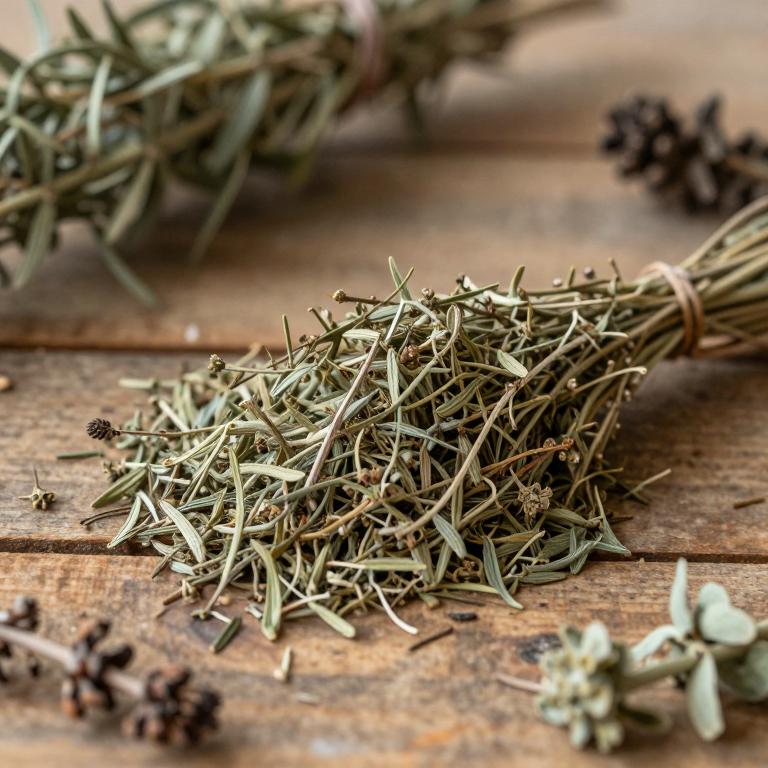
- Synonyms
- Aster Viscidiflorus · Linosyris Viscidiflora · 3 more
- Common names
- Not available
- Family
- Asteraceae
- Distribution
- Not available
- Plant Parts
- Not available
Classification
Common Names
Chrysothamnus viscidiflorus is a versatile shrub known by a wide variety of descriptive names across different cultures and regions. It is most commonly recognized in English as Douglas rabbitbrush, or sometimes as Douglas' rabbitbrush. Depending on its specific appearance or local classification, it may also be referred to as Green Rabbit-brush. The plant holds significant cultural importance, as seen in the traditional name Ch'ildiilyésiits'óóz. Additionally, it is identified in other linguistic traditions as Lipnioji auksarykštė.
Sources: Catalogue of Life (COL)
Synonyms
Chrysothamnus viscidiflorus is a species that has been documented under several different scientific names throughout botanical history. Researchers frequently refer to this plant using its synonym Aster viscidiflorus in various taxonomic contexts. Depending on the specific classification system used, it may also be identified as Bigelowia viscidiflora or Crinitaria viscidiflora. Additional botanical literature sometimes lists the plant under the names Ericameria viscidiflora or Linosyris viscidiflora. Understanding these various nomenclatural relationships is essential for accurately identifying the species across different studies.
Sources: The World Checklist of Vascular Plants (WCVP)
Taxonomy
Chrysothamnus viscidiflorus is a fascinating specimen that belongs to the vast kingdom Plantae. Within this biological kingdom, the plant is classified under the class Equisetopsida. It further falls into the order Asterales, showcasing its specific evolutionary lineage. The plant is a member of the diverse family Asteraceae, which is known for its complex floral structures. Finally, its botanical identity is defined by its placement within the genus Chrysothamnus.
| Rank | Classification |
|---|---|
| Kingdom | Plantae |
| Phylum | Streptophyta |
| Class | Equisetopsida |
| Subclass | Magnoliidae |
| Order | Asterales |
| Family | Asteraceae |
| Genus | Chrysothamnus |
Sources: The World Checklist of Vascular Plants (WCVP)
Distribution
Geographic Regions
Chrysothamnus viscidiflorus is a resilient species widely distributed throughout various regions of Northern America. Within the North-Central United States, it can be found growing across the landscapes of both Nebraska and South Dakota. The plant also maintains a significant presence in the Northwestern United States, particularly within the states of Idaho and Montana. Additionally, its range extends into the mountainous terrain of Colorado. This broad geographic spread highlights the adaptable nature of the species across diverse northern environments.
Sources: The World Checklist of Vascular Plants (WCVP)
Identification
Morphology
Chrysothamnus viscidiflorus is a self-supporting shrub characterized by its resilient growth form. This plant typically reaches a maximum height of 0.91 meters as it matures. Its structural stability allows it to thrive within its natural environment.
Sources: Global Inventory of Floras and Traits (GIFT)
Biological Activities
Compounds
Conditions
Chrysothamnus viscidiflorus demonstrates significant anthelmintic potential through its ability to inhibit the development of gastrointestinal nematodes. Specifically, the methanol extracts of this plant showed significant effectiveness in preventing egg-hatch inhibition within the studied assays. Furthermore, the plant proved capable of treating larval migration inhibition (LMA) in Haemonchus contortus. These dual inhibitory properties highlight the plant's active role in disrupting different stages of the parasite's life cycle. Such findings underscore the specific medicinal utility of Chrysothamnus viscidiflorus against these nematode processes.
Preparations
Chrysothamnus viscidiflorus is prepared as methanolic extracts to test for potential anthelmintic activity. These specific extracts were part of a study involving forty medicinal plants native to the U.S. Northern Great Plains. During the screening process, the methanolic extract of this plant demonstrated significant inhibition of egg hatching in both DMSO and MOPS buffer. Furthermore, the extract showed inhibitory activity during the larval migration assay as well. This performance highlights the plant's potential nematocidal properties for further evaluation.