Chrysanthemum indicum var. indicum
Chrysanthemum indicum var. indicum · Accepted scientific name
Scientific literature: Very Sparse (0 studies) · ★☆☆☆☆
Chrysanthemum indicum var. indicum is a versatile perennial herb widely recognized for its significant medicinal properties in traditional practices. Researchers have focused on exploring its bioactive potential through various specialized preparations to harness its therapeutic effects. Among these, the methanol extract has emerged as a key subject of study due to its rich concentration of phytochemicals. Additionally, the Civ-ME preparation serves as a critical tool for evaluating the plant's specific pharmacological activities. Understanding these distinct extracts is essential for advancing the development of new natural therapeutic agents.
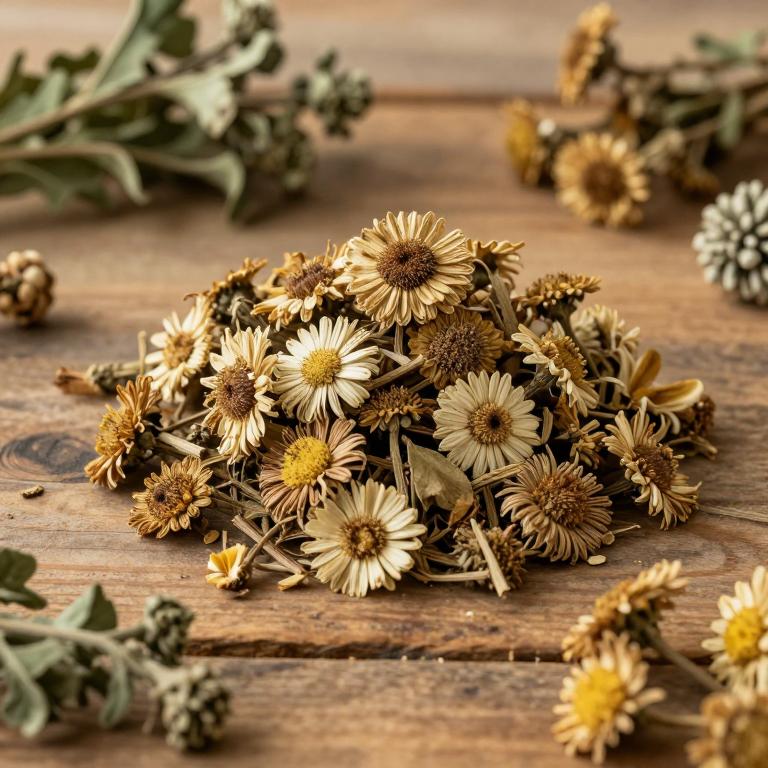
- Synonyms
- Chrysanthemum Lavandulifolium Var. Acutum · Chrysanthemum Littorale · 27 more
- Common names
- Not available
- Family
- Asteraceae
- Distribution
- Not available
- Plant Parts
- Not available
Classification
Synonyms
Chrysanthemum indicum var. indicum is a complex botanical entity that encompasses several recognized synonyms within the plant kingdom. Taxonomic records indicate that this variety is closely associated with Arctotis elegans. Furthermore, it is identified by the specific form known as Chrysanthemum indicum f. lactiflorum. The plant's classification also includes the subspecies albescens, highlighting its diverse morphological characteristics. Additional botanical connections exist with the varieties acutum and albescens, illustrating the intricate web of its nomenclature.
Sources: The World Checklist of Vascular Plants (WCVP)
Taxonomy
Chrysanthemum indicum var. indicum belongs to the vast kingdom Plantae, representing a diverse group of multicellular organisms. Within this kingdom, it is classified under the class Equisetopsida, showcasing its fundamental botanical structure. The plant further falls into the order Asterales, which helps define its evolutionary lineage. As a member of the Asteraceae family, it shares characteristics with a wide array of flowering species. Ultimately, this variety is defined by its specific placement within the genus Chrysanthemum.
| Rank | Classification |
|---|---|
| Kingdom | Plantae |
| Phylum | Streptophyta |
| Class | Equisetopsida |
| Subclass | Magnoliidae |
| Order | Asterales |
| Family | Asteraceae |
| Genus | Chrysanthemum |
Sources: The World Checklist of Vascular Plants (WCVP)
Distribution
Geographic Regions
Chrysanthemum indicum var. indicum exhibits a diverse geographical range that spans across multiple continents and distinct climate zones. In Africa, this variety is widely distributed through West-Central Tropical Africa and the Gulf of Guinea Islands. Its presence extends further into the Western Indian Ocean, where it can be found on the islands of Mauritius and Réunion. Moving toward the Asian-Temperate regions, the plant establishes itself within the rugged landscapes of Central Asia. Specifically, it thrives in the territories of both Tadzhikistan and Turkmenistan, showcasing its remarkable adaptability.
Sources: The World Checklist of Vascular Plants (WCVP)
Identification
Biological Activities
Compounds
Chrysanthemum indicum var. indicum is recognized as a significant medicinal plant with a long history of ethnopharmacological use in Korea and China. Research into its various variants has highlighted the potent bioactive properties found within these botanical extracts. Specifically, chemical analysis has revealed that the plant contains luteolin, which serves as a primary active pharmacological component. This compound plays a crucial role in modulating biological responses, particularly regarding the suppression of inflammatory mediators. By targeting specific signaling pathways, the presence of luteolin helps facilitate the plant's well-documented anti-inflammatory effects.
Conditions
Chrysanthemum indicum var. indicum serves as a medicinal tool to treat various inflammatory diseases. It effectively manages macrophage-mediated inflammatory responses by targeting specific signaling pathways. The plant specifically treats NF-κB-mediated transcriptional activation to reduce the expression of pro-inflammatory genes. Additionally, it treats inducible NO synthase (iNOS) by reducing its mRNA levels. Through these mechanisms, the plant also treats nitric oxide (NO) by suppressing its overall production.
Preparations
Chrysanthemum indicum var. indicum is prepared as a methanol extract to investigate its medicinal properties. This specific methanol extract is also referred to as Civ-ME within the research context. By processing the plant into Civ-ME, researchers can study its ability to target specific inflammatory pathways. The preparation of the plant as a methanol extract allows for the identification of active components like luteolin. Consequently, the relationship between the plant and its Civ-ME form is central to understanding its anti-inflammatory effects.