Chromolaena arnottiana
Chromolaena arnottiana · Accepted scientific name
Scientific literature: Very Sparse (0 studies) · ★☆☆☆☆
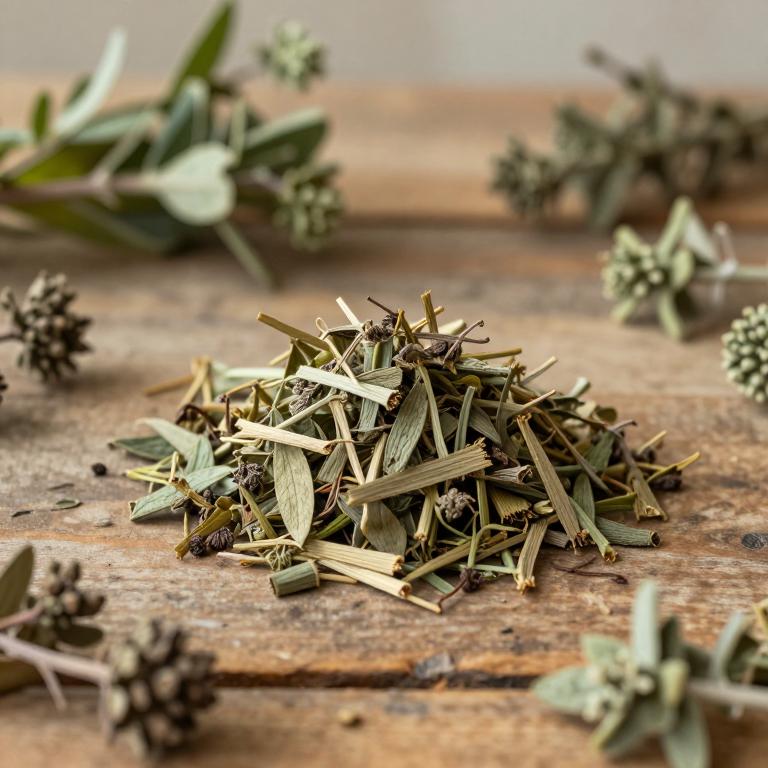
Chromolaena arnottiana is a versatile shrub widely recognized for its significant medicinal properties in various traditional healing practices. This plant is particularly noted for its bioactive compounds that possess potent anti-inflammatory characteristics. By targeting biological pathways associated with swelling and pain, it serves as a natural remedy for managing inflammatory conditions. Researchers continue to explore its chemical constituents to better understand how it can alleviate systemic irritation. Consequently, this species remains a subject of great interest for those seeking botanical solutions for inflammation.
- Synonyms
- Eupatorium Arnottianum · Eupatorium Teucrioides
- Common names
- Not available
- Family
- Asteraceae
- Distribution
- Not available
- Plant Parts
- Not available
Classification
Synonyms
Chromolaena arnottiana is a botanical species that is frequently identified by multiple scientific names within various taxonomic records. One well-known synonym for this plant is Eupatorium arnottianum, which is often used interchangeably in older literature. Additionally, it is closely associated with the synonym Eupatorium teucrioides in certain classifications. These overlapping names reflect the evolving nature of botanical nomenclature and the complexity of plant taxonomy. Understanding these relationships is essential for researchers seeking to accurately identify the species in the field.
Sources: The World Checklist of Vascular Plants (WCVP)
Taxonomy
Chromolaena arnottiana is a remarkable specimen belonging to the kingdom Plantae. Within this vast kingdom, it is specifically classified under the class Equisetopsida. This plant falls under the order Asterales, showcasing its evolutionary connections to other flowering species. It is further categorized within the family Asteraceae, a group known for its diverse and complex structures. Ultimately, this species is defined by its placement in the genus Chromolaena.
| Rank | Classification |
|---|---|
| Kingdom | Plantae |
| Phylum | Streptophyta |
| Class | Equisetopsida |
| Subclass | Magnoliidae |
| Order | Asterales |
| Family | Asteraceae |
| Genus | Chromolaena |
Sources: The World Checklist of Vascular Plants (WCVP)
Distribution
Geographic Regions
Chromolaena arnottiana exhibits a broad geographical footprint across various regions of the South American continent. Its distribution spans the southern reaches of the landmass, specifically appearing in the northeast and northwest territories of Argentina. The plant is also established within the southern portions of South America, demonstrating significant environmental adaptability. Furthermore, its range extends into western South America, with documented presence in Bolivia. This wide-ranging dispersal highlights the species' ability to thrive across diverse ecological zones within the region.
Sources: The World Checklist of Vascular Plants (WCVP)
Identification
Morphology
Chromolaena arnottiana is characterized by its distinct growth form as an herb. This plant is entirely self-supporting, maintaining its structure without the need for external assistance.
Sources: Global Inventory of Floras and Traits (GIFT)
Biological Activities
Compounds
Conditions
Chromolaena arnottiana, referred to in the research as Eupatorium arnottianum, serves as a medicinal tool for treating inflammation and various pain-related problems. The plant demonstrates significant antinociceptive properties through mechanisms that do not rely on opioid systems. Furthermore, its extracts exhibit the ability to treat tumor cell growth by exerting an inhibitory effect on these cells. The species also functions to treat mitogen activated normal spleen cell growth through the modulation of cell proliferation. These diverse pharmacological activities highlight the plant's potential in addressing both inflammatory and cellular growth issues.