Chionanthus ramiflorus
Chionanthus ramiflorus · Accepted scientific name
Scientific literature: Very Sparse (0 studies) · ★☆☆☆☆
Chionanthus ramiflorus, commonly known as fringe tree, is a deciduous shrub celebrated for its delicate, drooping white blossoms. This plant is often studied for its unique chemical properties and potential therapeutic applications. In various traditional practices, concentrated extracts are derived from its tissues to harness specific bioactive compounds. These preparations serve as the primary focus for researchers investigating the plant's medicinal profile. Understanding the nuances of these extracts is essential for exploring the full botanical potential of this species.
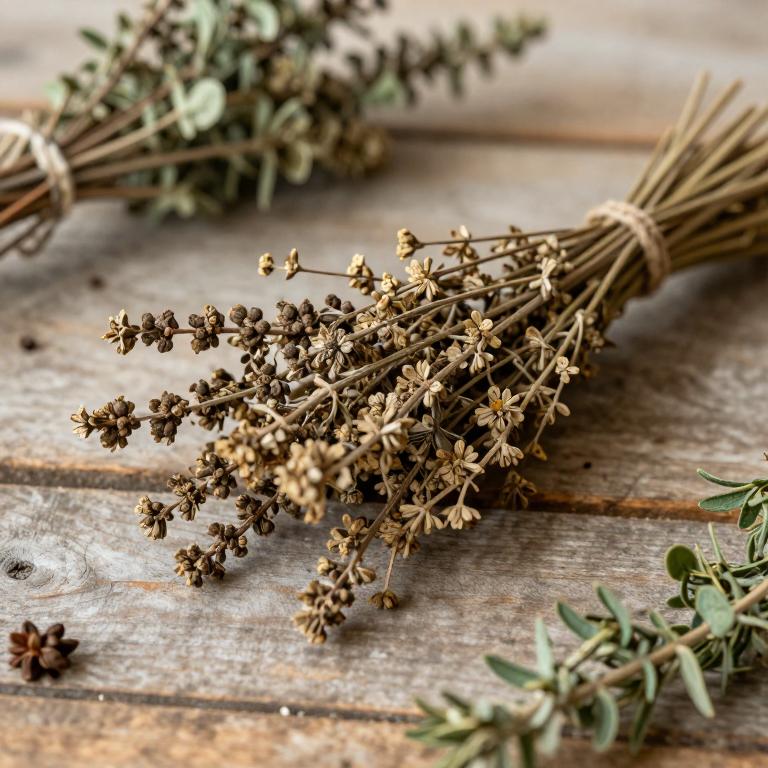
- Synonyms
- Linociera Pauciflora Var. Palembanica · Linociera Macrophylla · 37 more
- Common names
- Not available
- Family
- Oleaceae
- Distribution
- Not available
- Plant Parts
- Not available
Classification
Common Names
Chionanthus ramiflorus is a versatile botanical species known by a variety of names across different cultures and languages. In English-speaking regions, it is most frequently referred to by its common name, the Native Olive. This plant also holds specific cultural identities, such as the name വെള്ള എടലി in local contexts. In East Asia, it is recognized by Japanese terms like コウトウナタオレ and various Chinese names including 李欖 and 紅頭李欖. These diverse appellations highlight the widespread recognition and linguistic variety associated with this unique plant.
Sources: Catalogue of Life (COL)
Synonyms
Chionanthus ramiflorus is a botanical species that is frequently identified through several different scientific names. Taxonomic studies have linked this plant to various synonyms, including Chionanthus effusiflorus and Chionanthus intermedius. It is also recognized in botanical literature as Chionanthus macrophyllus, which includes the specific variety Chionanthus macrophyllus var. attenuatus. Furthermore, the name Chionanthus palembanicus is considered a synonym within its complex classification. Understanding these overlapping relationships is essential for accurate identification and study in the field of botany.
Sources: The World Checklist of Vascular Plants (WCVP)
Taxonomy
Chionanthus ramiflorus is a fascinating specimen that belongs to the vast kingdom Plantae. Within this biological kingdom, it is specifically classified under the class Equisetopsida. The plant further descends through the order Lamiales, showcasing its complex evolutionary lineage. It is a distinguished member of the genus Chionanthus, a group defined by unique botanical characteristics. Finally, this species is nested within the Oleaceae family, marking its place among a diverse array of flowering plants.
| Rank | Classification |
|---|---|
| Kingdom | Plantae |
| Phylum | Streptophyta |
| Class | Equisetopsida |
| Subclass | Magnoliidae |
| Order | Lamiales |
| Family | Oleaceae |
| Genus | Chionanthus |
Sources: The World Checklist of Vascular Plants (WCVP)
Distribution
Geographic Regions
Chionanthus ramiflorus exhibits a diverse geographical range that spans across both temperate and tropical regions of Asia. Within China, this species is widely distributed, appearing in the South-Central and Southeast provinces as well as on the island of Hainan. Its presence extends further into Eastern Asia, where it can be found growing in Taiwan. Additionally, the plant reaches into the tropical climates of the Indian Subcontinent, specifically within the Assam region. This wide distribution highlights the adaptability of the species across varying Asian landscapes.
Sources: The World Checklist of Vascular Plants (WCVP)
Identification
Morphology
Chionanthus ramiflorus is a self-supporting plant that takes the form of a sturdy tree. It can reach a impressive maximum height of 17 meters as it matures. This graceful growth habit makes it a significant feature in any landscape.
Sources: Global Inventory of Floras and Traits (GIFT)
Biological Activities
Compounds
Conditions
Chionanthus ramiflorus, also identified in the study as Linociera ramiflora, exhibits significant xanthine oxidase (XO) inhibitory activity. During the systematic screening of 301 Vietnamese medicinal plants, this species was highlighted for its potent biological effects. Specifically, the methanol extract of this plant demonstrated an IC50 value below 30 μg/mL. This level of potency places it among the most effective plants identified in the research for inhibiting the XO enzyme. Consequently, the plant serves as a notable source for potential therapeutic compounds targeting xanthine oxidase.
Preparations
Chionanthus ramiflorus is prepared as extracts to facilitate the screening of its medicinal properties. In the context of studying Vietnamese medicinal plants, these extracts are often processed using methanol to isolate active compounds. The research highlights how various plant materials, including those related to the species mentioned, undergo fractionation with solvents like n-hexane and ethyl acetate. By utilizing these extract preparations, scientists can identify specific substances that exhibit inhibitory activity against xanthine oxidase. Consequently, the preparation of these extracts is a critical step in uncovering the potent chemical profiles of such botanical specimens.