Chiliadenus glutinosus
Chiliadenus glutinosus · Accepted scientific name
Scientific literature: Very Sparse (2 studies) · ★☆☆☆☆
Chiliadenus glutinosus is a botanical specimen recognized for its significant therapeutic potential in traditional medicine. This plant offers powerful antioxidant and neuroprotective activities that support overall cellular health. It is frequently utilized to address various conditions, including respiratory diseases, and serves as an effective analgesic and antidepressant. Many people prepare this plant as a soothing tea to harness its diverse medicinal properties. Through these natural preparations, the plant provides a versatile approach to managing diverse health concerns.
- Synonyms
- Chiliadenus Camphoratus · Chrysocoma Camphorata · 10 more
- Common names
- Not available
- Family
- Asteraceae
- Distribution
- Not available
- Plant Parts
- Not available
Classification
Common Names
Chiliadenus glutinosus is a botanical species known by several distinct common names that reflect its unique characteristics. In French-speaking regions, it is frequently referred to as the Chiliadène des rochers or the Chiliadène glutineux. It is also widely recognized through the names Jasonie des rochers and Jasonie glutineuse, which highlight its specific habitat and texture. Additionally, the name Jasonia glutineux is sometimes used to identify this plant in various botanical contexts. Understanding these multiple common names is essential for accurate identification in the field.
Sources: Catalogue of Life (COL)
Synonyms
Chiliadenus glutinosus is a botanical species characterized by a complex history of taxonomic nomenclature. Throughout various scientific classifications, it has been identified by several distinct synonyms, including Chiliadenus camphoratus and Chiliadenus saxatilis. The plant is also closely linked to the genus Chrysocoma, appearing under names such as Chrysocoma camphorata and Chrysocoma saxatilis. Furthermore, the designation Chrysocoma verticalis has been documented as another synonym within its shifting lineage. Understanding these overlapping names is essential for researchers tracking the correct identity of this plant.
Sources: The World Checklist of Vascular Plants (WCVP)
Taxonomy
Chiliadenus glutinosus is a fascinating member of the kingdom Plantae. This species is classified under the class Equisetopsida and belongs to the diverse order Asterales. Within this order, it is specifically categorized under the family Asteraceae. Its taxonomic identity is further refined by its placement in the genus Chiliadenus. Understanding these biological relationships provides essential insight into the evolutionary lineage of this unique plant.
| Rank | Classification |
|---|---|
| Kingdom | Plantae |
| Phylum | Streptophyta |
| Class | Equisetopsida |
| Subclass | Magnoliidae |
| Order | Asterales |
| Family | Asteraceae |
| Genus | Chiliadenus |
Sources: The World Checklist of Vascular Plants (WCVP)
Distribution
Geographic Regions
Chiliadenus glutinosus exhibits a broad and varied geographical distribution across two major continents. In Africa, the species is primarily found within Northern Africa, specifically in Morocco. Its presence extends significantly into Europe, where it can be located throughout Southeastern Europe in Sicilia. Furthermore, the plant is well-established in Southwestern Europe, inhabiting regions such as France and Spain. This range also includes the Baleares, showcasing the plant's ability to thrive in diverse Mediterranean environments.
Sources: The World Checklist of Vascular Plants (WCVP)
Identification
Biological Activities
Chiliadenus glutinosus, also known by its synonym Jasonia glutinosa, has emerged as a significant subject of pharmacological interest due to its diverse therapeutic properties. Recent studies have demonstrated that an ethanolic extract of this plant possesses potent antioxidant activity, likely driven by a phytochemical profile rich in polyphenols and pigments. Furthermore, research utilizing both in vitro and in vivo models has highlighted its impressive neuroprotective potential. Specifically, the extract has shown the ability to reduce oxidative stress and inhibit key enzymes associated with neurodegenerative conditions. These findings suggest that the plant could serve as a valuable candidate for the development of new pharmaceutical products aimed at brain health.
Compounds
Chiliadenus glutinosus contains polyphenols that play a critical role in its diverse biological activities. These bioactive compounds contribute significantly to the plant's documented antioxidant and anti-inflammatory properties. By leveraging this rich phytochemical profile, the plant serves as a promising candidate for pharmaceutical development. Research suggests that these constituents may offer neuroprotective benefits, potentially aiding in the management of oxidative stress. Ultimately, the presence of these polyphenols underscores the therapeutic potential of the species in modern medicine.
Conditions
Chiliadenus glutinosus demonstrates significant phytoremediation potential by effectively treating soil contaminated with cadmium (Cd) and lead (Pb). Specifically, the plant exhibits a high bioconcentration factor for the extraction of Cd and serves as an efficient agent for the phytostabilization of Pb. Beyond its environmental utility, the species is recognized for its medicinal properties, including its ability to treat inflammation. Furthermore, the plant's bioactive compounds are utilized for their anti-inflammatory and analgesic effects. These diverse capabilities allow the plant to address both heavy metal toxicity in ecosystems and various physiological ailments in humans.
Preparations
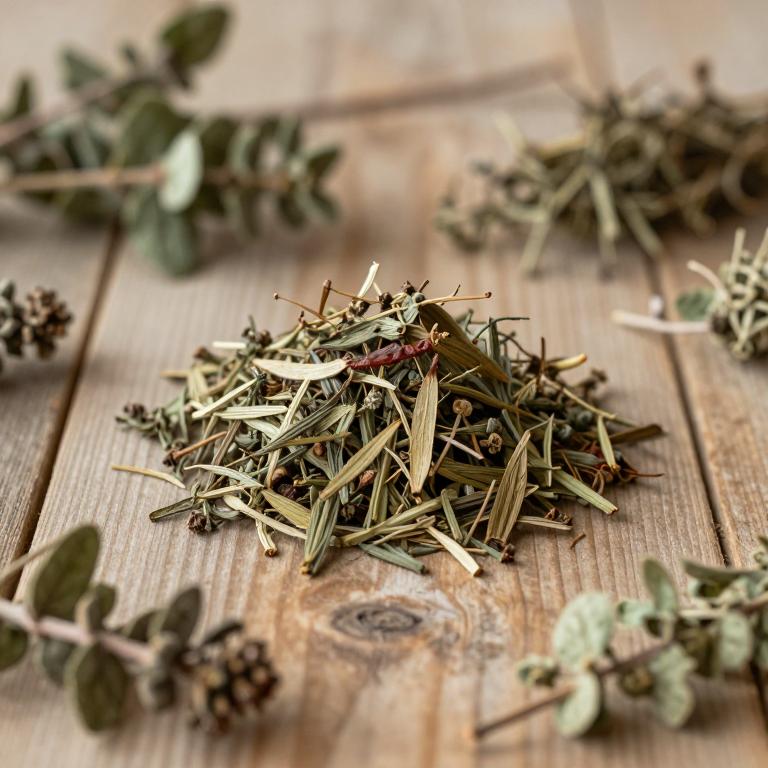
Chiliadenus glutinosus, also referred to in the text as Jasonia glutinosa, is traditionally prepared as tea to treat digestive disorders. In the context of Spanish ethnobotanical practices, this species is categorized among the many plants popularly known as té. These infusions are typically made by boiling dry or fresh plant material and are consumed after meals. Such preparations are commonly used as digestifs or stomachics within the regional culture. Consequently, the plant serves as a medicinal resource within the widespread social habit of drinking various herbal tés.