Chassalia parvifolia
Chassalia parvifolia · Accepted scientific name
Scientific literature: Very Sparse (0 studies) · ★☆☆☆☆
Chassalia parvifolia is a botanical species recognized for its unique chemical profile and potential biological significance. This plant is notably characterized by the presence of specific secondary metabolites known as Circulin A and Circulin B. Researchers often utilize these compounds when studying the plant's specialized properties. To harness these active constituents, the plant is frequently processed into a concentrated extract. Understanding these chemical components is essential for exploring the therapeutic possibilities of the species.
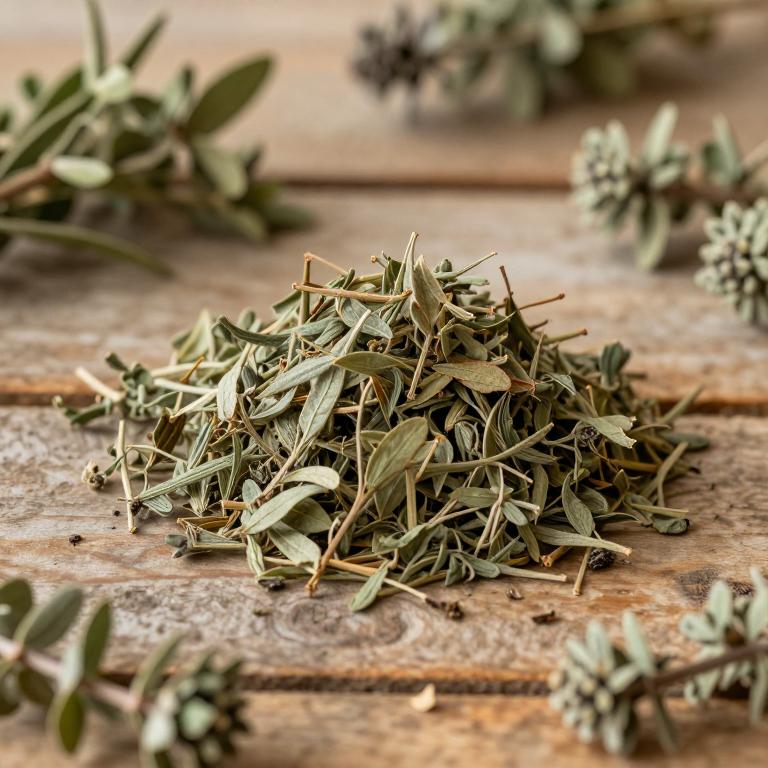
- Synonyms
- Psychotria Engleri
- Common names
- Not available
- Family
- Rubiaceae
- Distribution
- Asia-Temperate
- Plant Parts
- Not available
Classification
Common Names
Chassalia parvifolia is a botanical species that is recognized by various local and scientific identifiers. Within certain regional contexts, this plant is commonly referred to by the name keniankoralliterttu. Understanding these naming conventions helps researchers and enthusiasts connect the plant to its specific ecological heritage. Such relationships between scientific classification and common nomenclature provide essential clarity for documentation. Consequently, mastering these linguistic links is vital for anyone studying the diverse flora of the region.
Sources: Catalogue of Life (COL)
Synonyms
Chassalia parvifolia is a botanical species that is frequently identified by its alternative scientific name, Psychotria engleri. This taxonomic synonym highlights the complex history of classification within the plant kingdom. Researchers often encounter both names when studying the specific characteristics of this particular specimen. Understanding these nomenclatural links is essential for accurate botanical identification and documentation. Consequently, recognizing the relationship between these two names ensures clarity in scientific communication.
Sources: The World Checklist of Vascular Plants (WCVP)
Taxonomy
Chassalia parvifolia belongs to the vast kingdom Plantae, representing the diverse world of multicellular organisms. Within this biological realm, it is classified under the class Equisetopsida. This plant is a member of the order Gentianales, which connects it to a specific group of flowering species. It further falls under the family Rubiaceae, a group known for many economically important plants. Finally, its taxonomic identity is defined by its placement within the genus Chassalia.
| Rank | Classification |
|---|---|
| Kingdom | Plantae |
| Phylum | Streptophyta |
| Class | Equisetopsida |
| Subclass | Magnoliidae |
| Order | Gentianales |
| Family | Rubiaceae |
| Genus | Chassalia |
Sources: The World Checklist of Vascular Plants (WCVP)
Distribution
Geographic Regions
Chassalia parvifolia is a plant species with a widespread presence across the African continent. Its distribution is notably concentrated within the diverse ecosystems of East Tropical Africa, specifically throughout Kenya and Tanzania. Furthermore, the species extends its reach into the landscapes of South Tropical Africa. In this southern region, it can be found thriving in Malawi, Mozambique, and Zambia. This broad geographical range highlights the adaptability of the plant within various African environments.
Sources: The World Checklist of Vascular Plants (WCVP)
Identification
Morphology
Chassalia parvifolia grows in a sturdy shrub form that provides a lush, textured appearance to its environment. As a self-supporting plant, it maintains its own structure and upright posture without the need for external assistance.
Sources: Global Inventory of Floras and Traits (GIFT)
Biological Activities
Compounds
Chassalia parvifolia is a tropical tree that serves as a significant natural source of unique bioactive compounds. Within this plant, researchers have identified two specific macrocyclic peptides known as Circulin A and Circulin B. These molecules are particularly notable for their demonstrated ability to display anti-HIV activity. Because of their complex structures, which include six disulfide-linked cysteines, they have required advanced analytical techniques to fully understand. The discovery of these circulins within the plant highlights the medicinal potential held by the species.
Conditions
Chassalia parvifolia contains macrocyclic peptides known as circulins that possess significant anti-HIV activity. These compounds, specifically circulin A and B, demonstrate the ability to inhibit the virus through their unique disulfide linkage patterns. Furthermore, the plant yields other macrocyclic polypeptides, such as circulins C-F, which effectively treat the cytopathic effects of in vitro HIV-1 infection. These specific peptides show potent inhibitory capabilities with EC(50) values ranging from 50 to 275 nM. Consequently, the chemical constituents of Chassalia parvifolia serve as vital agents in combating the cellular damage caused by HIV-1.
Preparations
Chassalia parvifolia is prepared as an extract to facilitate the isolation of specific bioactive compounds. From this botanical extract, researchers successfully identified four new macrocyclic polypeptides known as circulins C-F. These unique peptides are characterized by a primary amino acid chain that is covalently cyclized through peptide bonds. The structural complexity of these molecules is further defined by six cysteine residues that form three intramolecular disulfide bridges. Ultimately, the components derived from this plant extract demonstrate significant potential by inhibiting the cytopathic effects of HIV-1 infection.