Chamarea capensis
Chamarea capensis · Accepted scientific name
Scientific literature: Very Sparse (0 studies) · ★☆☆☆☆
Chamarea capensis is a botanical species that has garnered significant interest within the realm of ethnopharmacology. Researchers are increasingly exploring its chemical constituents to determine if they possess bioactive properties capable of influencing cellular growth. In the context of oncology, studies are investigating whether certain compounds in the plant can target malignant cells or inhibit tumor progression. While much of this investigation remains in the experimental stages, the plant represents a promising area for potential cancer research. Understanding its complex phytochemical profile is essential for determining its future role in integrative therapeutic strategies.
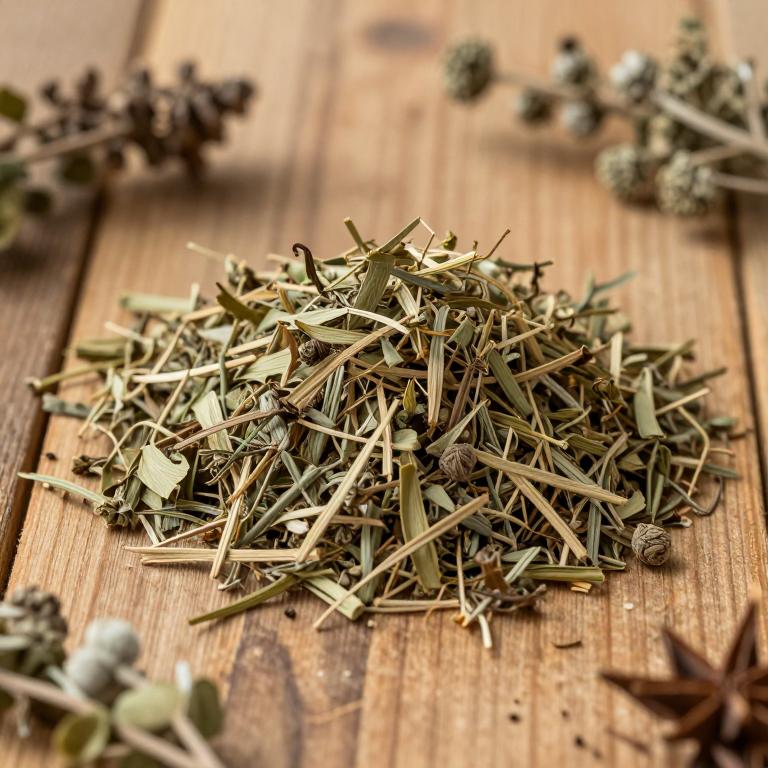
- Synonyms
- Anethum Capense · Carum Capense · 1 more
- Common names
- Not available
- Family
- Apiaceae
- Distribution
- Not available
- Plant Parts
- Not available
Classification
Common Names
Chamarea capensis is a distinctive plant known by a variety of different names depending on the region and language used. It is most frequently referred to in English as the Cape Caraway or the Common Capecaraway. Some enthusiasts simply shorten the name, calling the species Chamare for ease of use. In local contexts, it is also recognized by the traditional names finkelwortel and vinkelbol. These various monikers all point to the same unique botanical identity.
Sources: Catalogue of Life (COL)
Synonyms
Chamarea capensis is a botanical species that has been classified under several different scientific names throughout history. Due to various taxonomic revisions, it is recognized by the synonyms Anethum capense and Carum capense. Additionally, researchers have previously referred to this plant using the name Foeniculum capense. These shifting designations reflect the complex evolving nature of plant nomenclature and botanical studies. Understanding these linguistic relationships is essential for anyone navigating scientific literature related to this species.
Sources: The World Checklist of Vascular Plants (WCVP)
Taxonomy
Chamarea capensis is a unique botanical specimen that belongs to the kingdom Plantae. Within this vast biological realm, the plant is classified under the class Equisetopsida. It is further categorized into the order Apiales, showcasing its specific evolutionary lineage. As a member of the family Apiaceae, it shares structural characteristics with many well-known flowering plants. Ultimately, this species is defined by its placement within the genus Chamarea.
| Rank | Classification |
|---|---|
| Kingdom | Plantae |
| Phylum | Streptophyta |
| Class | Equisetopsida |
| Subclass | Magnoliidae |
| Order | Apiales |
| Family | Apiaceae |
| Genus | Chamarea |
Sources: The World Checklist of Vascular Plants (WCVP)
Distribution
Geographic Regions
Chamarea capensis is a distinctive plant species primarily found within the vast landscapes of Africa. Its presence is most notable throughout the southern reaches of the continent, where it thrives in specific ecological niches. Within this broad region, the plant maintains a strong foothold across the diverse Cape Provinces. This distribution highlights the specialized environmental requirements that allow the species to flourish in these areas. Consequently, understanding its geographic range is essential for studying the unique biodiversity of the Southern African terrain.
Sources: The World Checklist of Vascular Plants (WCVP)
Identification
Morphology
Chamarea capensis is a self-supporting herb characterized by its compact and low-lying growth form. This plant typically reaches a maximum height of only 0.6 meters, making it a subtle presence in its natural habitat. Its modest stature allows it to thrive effectively within its specific ecological niche.
Sources: Global Inventory of Floras and Traits (GIFT)
Biological Activities
Compounds
Conditions
Chamarea capensis is not mentioned in the provided abstracts, which instead focus on the medicinal potential of Fennel (Anethum foeniculum). The research indicates that Fennel miRNAs are associated with various human diseases, specifically cancer. Through functional enrichment analysis, these miRNAs were found to target highly enriched KEGG pathways related to malignancy. Furthermore, the study identifies seven specific hub nodes that demonstrate involvement in the pancreatic cancer pathway. Consequently, the abstracts suggest that Fennel, rather than Chamarea capensis, holds significant promise for treating cancer and influencing pancreatic cancer pathways.