chamomiles
Chamaemelum · Accepted scientific name
Scientific literature: Very Sparse (4 studies) · ★☆☆☆☆
Chamomiles, scientifically known as Chamaemelum, is a versatile genus of flowering plants celebrated for its profound therapeutic properties. Renowned for its soothing aroma and calming effects, this botanical treasure is widely used in herbal medicine to alleviate anxiety, aid digestion, and reduce inflammation, offering holistic wellness through natural healing.
- Family
- Asteraceae
- Native range
- Europe
- Parts used
- Not available
- Common names
- Chamomiles
- Scientific synonyms
- Marcelia · Perideraea
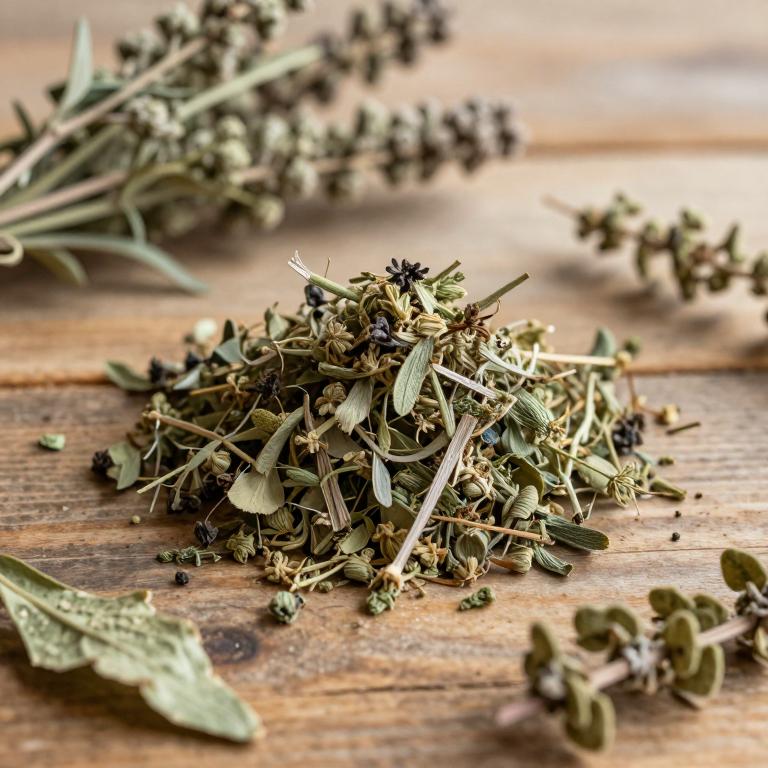
Names and Synonyms
Common Names
- chamomiles
Scientific Names
Accepted name
ChamaemelumSynonyms
- Marcelia
- Perideraea
Regional and Traditional Names
Spanish:
- manzanillas
German:
- Römische Kamillen
- Hundskamille
Sources: Wikidata, Catalogue of Life
Taxonomical Classification
This plant belongs to the kingdom Plantae and the phylum Streptophyta, falling under the class Equisetopsida and subclass Magnoliidae. Within the order Asterales, it is classified under the family Asteraceae. Finally, it is identified by the genus Chamaemelum.
| Rank | Classification |
|---|---|
| Kingdom | Plantae |
| Phylum | Streptophyta |
| Class | Equisetopsida |
| Subclass | Magnoliidae |
| Order | Asterales |
| Family | Asteraceae |
| Genus | Chamaemelum |
Sources: The World Checklist of Vascular Plants (WCVP)
Distribution
This plant exhibits a widespread presence across various regions of the European continent. In Northern Europe, it can be found growing within the territories of Great Britain and Ireland. Its distribution extends into Middle Europe, where it is documented in Austria and Belgium. Furthermore, the species is also present in the central regions of Czechia and Slovakia. Consequently, these locations represent the primary geographical range for this medicinal plant.
| Region | Area |
|---|---|
| Northern Europe | Great Britain |
| Northern Europe | Ireland |
| Middle Europe | Austria |
| Middle Europe | Belgium |
| Middle Europe | Czechia-Slovakia |
| Middle Europe | Germany |
| Middle Europe | Poland |
| Middle Europe | Switzerland |
| Southwestern Europe | Corse |
| Southwestern Europe | France |
Sources: The World Checklist of Vascular Plants (WCVP)
Chemicals
Chamaemelum has 4 reported phytochemicals identified across 0 scientific publications and several other databases. The most consistently reported chemicals include CADMIUM, CHROMIUM, LEAD, NICKEL.
| Chemical | Supporting sources | Consensus |
|---|---|---|
| CADMIUM | 1 supporting sources | ★☆☆☆☆ |
| CHROMIUM | 1 supporting sources | ★☆☆☆☆ |
| LEAD | 1 supporting sources | ★☆☆☆☆ |
| NICKEL | 1 supporting sources | ★☆☆☆☆ |
CADMIUM
- Biological trace element research
CHROMIUM
- Biological trace element research
LEAD
- Biological trace element research
NICKEL
- Biological trace element research