Chamaecytisus supinus
Chamaecytisus supinus · Accepted scientific name
Scientific literature: Sparse (73 studies) · ★★☆☆☆
, scientifically known as Chamaecytisus supinus, is a versatile medicinal plant valued for its potent therapeutic properties. Traditionally used in holistic healing, it possesses remarkable antioxidant and anti-inflammatory qualities. This resilient species offers significant potential in modern pharmacology, providing natural solutions for various ailments through its unique bioactive compounds.
- Family
- Not available
- Native range
- Europe
- Parts used
- Not available
- Common names
- Not available
- Scientific synonyms
- Not available
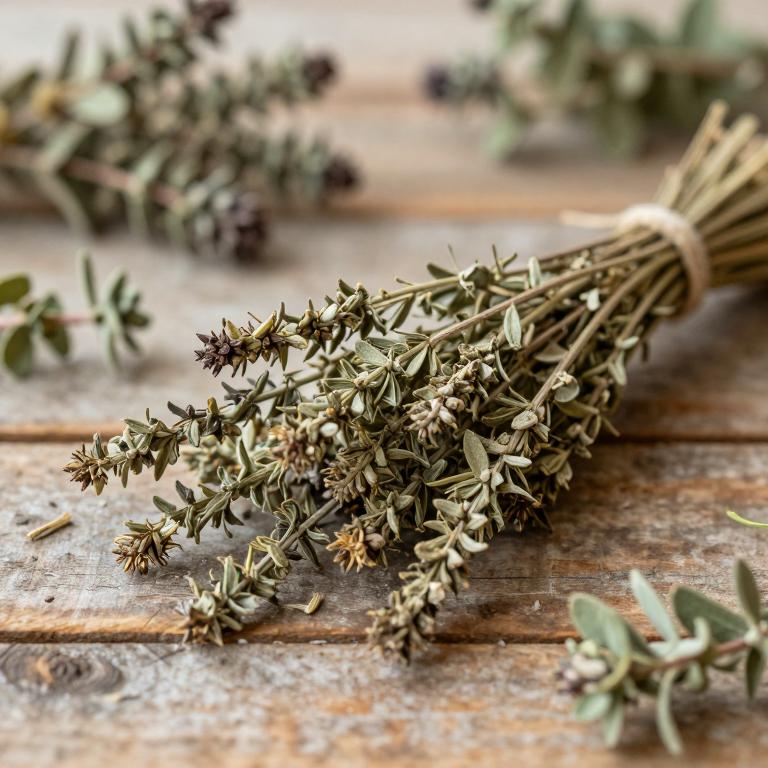
Names and Synonyms
Scientific Names
Accepted name
Chamaecytisus supinusDistribution
This plant, Chamaecytisus supinus, is primarily distributed across various regions of Middle Europe. Its presence is well-documented within the borders of Germany and Austria. Furthermore, the species can be found throughout the territories of Poland and Hungary. The geographical range also extends into the combined regions of Czechia and Slovakia. Consequently, these specific European countries represent the core habitat for this medicinal species.
| Region | Area |
|---|---|
| Middle Europe | Austria |
| Middle Europe | Czechia-Slovakia |
| Middle Europe | Germany |
| Middle Europe | Hungary |
| Middle Europe | Poland |
| Middle Europe | Switzerland |
| Southwestern Europe | France |
| Southwestern Europe | Spain |
| Southeastern Europe | Bulgaria |
| Southeastern Europe | Greece |
Sources: The World Checklist of Vascular Plants (WCVP)
Botanical Identification
Ecology
The ecology of Chamaecytisus supinus is characterized by its preference for specific structural environments, most notably within shrubberies where it can integrate into the existing vegetative layers. These shrubby habitats provide the necessary microclimate and physical support required for its growth patterns. By occupying these dense, woody niches, the plant benefits from the complex spatial architecture of shrublands, which can influence light availability, moisture retention, and protection from environmental stressors.
- Habitat :
- shrubberies
Life history
The life history of Chamaecytisus supinus is characterized by a persistent growth strategy, specifically categorized under the life form of a chamaephyte. This classification indicates that its perennating buds are located near the soil surface, allowing it to withstand varying environmental conditions. Throughout its life cycle, the plant maintains an evergreen deciduousness, ensuring that its foliage remains functional across different seasons rather than shedding all leaves annually. As a chamaephyte, it occupies a specific ecological niche where its structural height and survival mechanisms are optimized for its native habitat, maintaining a steady physiological presence through its perennial nature.
- Deciduousness :
- evergreen
- Life form :
- chamaephyte
Morphology
The morphology of Chamaecytisus supinus is characterized by a woody growth form, specifically classified as a shrub. The plant exhibits a compact stature, with a height that typically ranges from a minimum of 0.2 m to a maximum of 0.6 m, maintaining a mean height of approximately 0.6 m. Its shoots follow an ascending orientation, and while it possesses a structural framework, it is categorized as a self-supporting plant rather than a climber. Additionally, the species functions as an independent organism, showing no parasitic tendencies in its biological development.
- Climber :
- self-supporting
- Growth form :
- shrub
- Parasite :
- independent
- Plant height mean:
- 0.6 m
- Plant height min:
- 0.2 m
- Shoot orientation :
- ascending
- Woodiness :
- woody
Physiology
The physiology of Chamaecytisus supinus is fundamentally characterized by its reliance on the C3 photosynthetic pathway, a mechanism in which carbon fixation occurs via the enzyme Rubisco during the Calvin cycle. This metabolic process involves the direct fixation of atmospheric CO2 into three-carbon organic compounds, reflecting an evolutionary adaptation typical of many woody shrubs in temperate or montane environments. In terms of gas exchange and water relations, the plant regulates its physiological activity through stomatal conductance to balance the intake of carbon dioxide required for photosynthesis against the loss of water vapor through transpiration. This C3 pathway dictates the plant's energy conversion efficiency and its sensitivity to environmental variables such as temperature and light intensity, influencing its overall growth rate and metabolic vigor within its ecological niche.
- Photosynthetic pathway :
- C3
Reproduction
The reproduction of Chamaecytisus supinus is characterized by a specific phenological cycle and specialized biological mechanisms. The flowering period typically commences in June and extends through August. During this time, the plant relies on biotic pollination syndromes, specifically utilizing insects to facilitate the transfer of pollen. Notably, self-fertilization is absent in this species, necessitating cross-pollination to ensure genetic diversity. Once fertilization is successful, the plant produces seeds with a mean mass of approximately 0.0059 g. The dispersal of these seeds follows an autochorous syndrome, meaning the plant employs internal mechanisms to discharge its seeds.
- Dispersal syndrome :
- autochorous
- Flowering time :
- Jun
- Flowering time :
- Aug
- Pollination syndrome :
- insect
- Pollination syndrome :
- biotic
- Seed mass mean:
- 0.0059 g
- Self fertilization :
- absent
Sources: Global Inventory of Floras and Traits (GIFT)
Chemicals
Chamaecytisus supinus has 1 reported phytochemicals identified across 0 scientific publications and several other databases. The most consistently reported chemicals include genistein.
| Chemical | Supporting sources | Consensus |
|---|---|---|
| genistein | 1 supporting sources | ★☆☆☆☆ |
genistein
- Dr. Duke
Activities
Chamaecytisus supinus has 72 reported activities identified across 0 scientific publications and several other databases. The most consistently reported activities include Abortifacient, Aldose-Reductase-Inhibitor, Alpha-Reductase-Inhibitor, Antiaggregant, Antiangiogenic.
| Activity | Supporting sources | Consensus |
|---|---|---|
| Abortifacient | 1 supporting sources | ★☆☆☆☆ |
| Aldose-Reductase-Inhibitor | 1 supporting sources | ★☆☆☆☆ |
| Alpha-Reductase-Inhibitor | 1 supporting sources | ★☆☆☆☆ |
| Antiaggregant | 1 supporting sources | ★☆☆☆☆ |
| Antiangiogenic | 1 supporting sources | ★☆☆☆☆ |
| Antiatherosclerotic | 1 supporting sources | ★☆☆☆☆ |
| Anticancer (Breast) | 1 supporting sources | ★☆☆☆☆ |
| Anticarcinomic (Breast) | 1 supporting sources | ★☆☆☆☆ |
| Anticlimacteric | 1 supporting sources | ★☆☆☆☆ |
| Antiendoccytotic | 1 supporting sources | ★☆☆☆☆ |
Abortifacient
- Dr. Duke
Aldose-Reductase-Inhibitor
- Dr. Duke
Alpha-Reductase-Inhibitor
- Dr. Duke
Antiaggregant
- Dr. Duke
Antiangiogenic
- Dr. Duke
Antiatherosclerotic
- Dr. Duke
Anticancer (Breast)
- Dr. Duke
Anticarcinomic (Breast)
- Dr. Duke
Anticlimacteric
- Dr. Duke
Antiendoccytotic
- Dr. Duke