Chamaecyparis obtusa formosana
Chamaecyparis obtusa var. formosana · Accepted scientific name
Scientific literature: Very Sparse (11 studies) · ★☆☆☆☆
Chamaecyparis obtusa formosana, scientifically known as Chamaecyparis obtusa var. formosana, is a distinguished evergreen conifer prized for its therapeutic properties. Native to East Asia, this botanical variety is utilized in traditional medicine to treat respiratory ailments and skin conditions, offering potent antioxidant and antimicrobial benefits through its aromatic essence.
- Family
- Cupressaceae
- Native range
- Asia-Temperate
- Parts used
- Leaf
- Common names
- Taiwan Yellow Cedar
- Scientific synonyms
- Cupressus Obtusa F. Formosana · Chamaecyparis Taiwanensis · 5 more
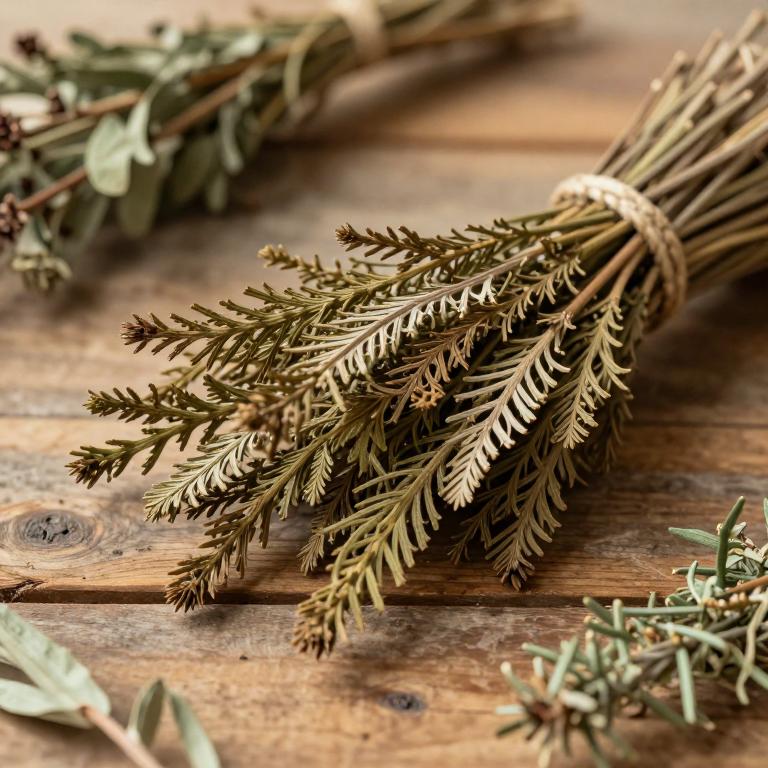
Names and Synonyms
Common Names
- Taiwan Yellow Cedar
Scientific Names
Accepted name
Chamaecyparis obtusa var. formosanaSynonyms
- Cupressus obtusa f. formosana
- Chamaecyparis taiwanensis
- Cupressus obtusa var. formosana
- Chamaecyparis obtusa f. formosana
- Chamaecyparis obtusa subsp. formosana
- Cupressus obtusa subsp. formosana
- Retinispora taiwanensis
Sources: Wikidata, Catalogue of Life
Taxonomical Classification
This plant belongs to the kingdom Plantae and the phylum Streptophyta. Within the class Equisetopsida and subclass Pinidae, it is categorized under the order Pinales and the family Cupressaceae. Finally, it is classified under the genus Chamaecyparis as the variety formosana.
| Rank | Classification |
|---|---|
| Kingdom | Plantae |
| Phylum | Streptophyta |
| Class | Equisetopsida |
| Subclass | Pinidae |
| Order | Pinales |
| Family | Cupressaceae |
| Genus | Chamaecyparis |
Sources: The World Checklist of Vascular Plants (WCVP)
Distribution
This plant is specifically native to the Eastern Asian region. Within this part of the world, its range is restricted to the island of Taiwan. This narrow geographical distribution indicates that the variety is endemic to this particular location. Consequently, the plant thrives under the unique environmental conditions found only in Taiwanese habitats. Understanding this specific placement is essential for studying its natural ecology.
| Region | Area |
|---|---|
| Eastern Asia | Taiwan |
Sources: The World Checklist of Vascular Plants (WCVP)
Plant Parts
Chamaecyparis obtusa var. formosana has 1 reported plant parts identified across 1 scientific publications and several other databases that are studied for medicinal purposes. The most consistently reported plant part include leaf.
| Plant part | Supporting sources | Consensus |
|---|---|---|
| Leaf | 1 supporting sources | ★☆☆☆☆ |
Leaf
- Journal of traditional and complementary medicine
Chemicals
Chamaecyparis obtusa var. formosana has 8 reported phytochemicals identified across 1 scientific publications and several other databases. The most consistently reported chemicals include 11,14-dihydroxy-8,11,13-abietatrien-7-one, 15-hydroxy-alpha-cadinol, Obtuanhydride, T-Cadinol, T-Muurolol.
| Chemical | Supporting sources | Consensus |
|---|---|---|
| 11,14-dihydroxy-8,11,13-abietatrien-7-one | 1 supporting sources | ★☆☆☆☆ |
| 15-hydroxy-alpha-cadinol | 1 supporting sources | ★☆☆☆☆ |
| Obtuanhydride | 1 supporting sources | ★☆☆☆☆ |
| T-Cadinol | 1 supporting sources | ★☆☆☆☆ |
| T-Muurolol | 1 supporting sources | ★☆☆☆☆ |
| alpha-Cadinol | 1 supporting sources | ★☆☆☆☆ |
| delta-Cadinol | 1 supporting sources | ★☆☆☆☆ |
| epi-Cubenol | 1 supporting sources | ★☆☆☆☆ |
11,14-dihydroxy-8,11,13-abietatrien-7-one
- Journal of natural products
15-hydroxy-alpha-cadinol
- Journal of natural products
Obtuanhydride
- Journal of natural products
T-Cadinol
- Journal of natural products
T-Muurolol
- Journal of natural products
alpha-Cadinol
- Journal of natural products
delta-Cadinol
- Journal of natural products
epi-Cubenol
- Journal of natural products
Preparations
Chamaecyparis obtusa var. formosana has 2 reported preparations identified across 1 scientific publications and several other databases. The most consistently reported preparations include heartwood, hot water extracts of C. obtusa var. formosana leaves.
| Preparation | Supporting sources | Consensus |
|---|---|---|
| Heartwood | 1 supporting sources | ★☆☆☆☆ |
| Hot water extracts of c. obtusa var. formosana leaves | 1 supporting sources | ★☆☆☆☆ |
Heartwood
- Journal of natural products
Hot water extracts of c. obtusa var. formosana leaves
- Journal of traditional and complementary medicine