Chamaecrista rotundifolia
Chamaecrista rotundifolia · Accepted scientific name
Scientific literature: Very Sparse (0 studies) · ★☆☆☆☆
Chamaecrista rotundifolia is a specialized plant often studied for its potential therapeutic applications in managing various health conditions. Recent research has particularly focused on its efficacy in addressing issues related to Rotavirus. To harness its medicinal properties, the plant is typically utilized in specific preparations such as dried hay or processed whole plants. These traditional methods aim to concentrate the bioactive compounds necessary for effective treatment. Understanding the role of this species is essential for advancing natural approaches to viral management.
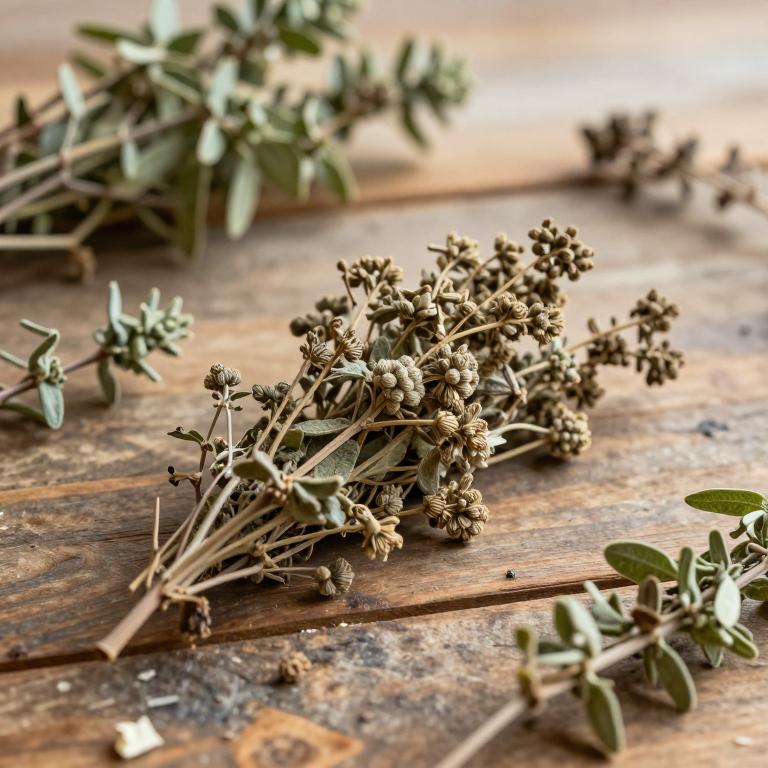
- Synonyms
- Cassia Bifoliolata Var. Rotundifolia · Cassia Rotundifolia
- Common names
- Not available
- Family
- Fabaceae
- Distribution
- Not available
- Plant Parts
- Not available
Classification
Common Names
Chamaecrista rotundifolia is a versatile plant known by a diverse array of regional names. In some areas, it is commonly referred to as Acácia-rasteira or Alfafa-nativa. It is also frequently called Erva-de-coração by local inhabitants. Depending on the specific ecosystem, people may identify it as Mata-pasto. Finally, its low-growing nature often leads to it being called Pasto-rasteiro.
Sources: Catalogue of Life (COL)
Synonyms
Chamaecrista rotundifolia is a botanical species that is frequently identified by multiple scientific names in various taxonomic records. For researchers navigating older literature, it is important to note that the plant is also known by the synonym Cassia bifoliolata var. rotundifolia. Additionally, some historical classifications refer to this same organism simply as Cassia rotundifolia. These overlapping designations reflect the evolving nature of botanical nomenclature and plant classification. Understanding these synonymous relationships ensures accuracy when studying the diverse lineage of this specific plant.
Sources: The World Checklist of Vascular Plants (WCVP)
Taxonomy
Chamaecrista rotundifolia is a fascinating botanical specimen that belongs to the expansive kingdom Plantae. Within this vast kingdom, the plant is classified under the class Equisetopsida. It further falls into the order Fabales, showcasing its specific evolutionary lineage. This species is a member of the diverse family Fabaceae, which is known for its significant ecological roles. Ultimately, it is identified by its unique genus, Chamaecrista, marking its distinct place in the natural world.
| Rank | Classification |
|---|---|
| Kingdom | Plantae |
| Phylum | Streptophyta |
| Class | Equisetopsida |
| Subclass | Magnoliidae |
| Order | Fabales |
| Family | Fabaceae |
| Genus | Chamaecrista |
Sources: The World Checklist of Vascular Plants (WCVP)
Distribution
Geographic Regions
Chamaecrista rotundifolia is a resilient plant species with a widespread presence across the African continent. Its distribution spans significantly through West Tropical Africa, where it can be found in countries such as Benin, Gambia, Ghana, and Nigeria. Beyond the western regions, the species also establishes itself within the diverse landscapes of South Tropical Africa. Specifically, its occurrence in Zimbabwe highlights the impressive geographic range this plant maintains. This broad coverage underscores the plant's ability to adapt to various ecological niches throughout the region.
Sources: The World Checklist of Vascular Plants (WCVP)
Identification
Morphology
Chamaecrista rotundifolia is a diminutive herb characterized by its compact and modest presence. This self-supporting plant maintains a sturdy structure despite its very small stature. It typically reaches a maximum height of only 0.2 meters, making it a subtle feature of its habitat.
Sources: Global Inventory of Floras and Traits (GIFT)
Biological Activities
Compounds
Chamaecrista rotundifolia is a perennial herb within the Leguminosae family that is increasingly utilized as forage in China. During a phytochemical reinvestigation of this species, researchers successfully isolated several bioactive metabolites. The study identified three new chromones along with six known chromones from the whole plant. Through extensive spectroscopic methods, including 1D and 2D NMR techniques, the specific structures of these compounds were confirmed. Ultimately, these chromones demonstrated significant potential for anti-rotavirus activities with promising therapeutic index values.
Conditions
Chamaecrista rotundifolia serves as an effective nutritional supplement when added to low-quality grass hay for growing goats. When mixed with a basal diet of Chloris gayana, this legume hay improves nitrogen retention, body mass gains, and the digestibility of organic matter. Beyond its dietary benefits, the plant contains bioactive metabolites that offer significant medicinal potential. Specifically, researchers isolated several chromones from the whole plant that exhibit promising anti-rotavirus activities. These compounds demonstrate therapeutic potential against the virus with favorable therapeutic index values.
Preparations
Chamaecrista rotundifolia is utilized as a protein-rich legume hay when supplemented with grass hay and maize to improve the nutritional parameters of growing goats. This specific hay preparation helps increase total dry matter intake, nitrogen retention, and body mass gains in livestock. Additionally, the whole plants of Chamaecrista rotundifolia serve as a source for phytochemical reinvestigation to isolate bioactive metabolites. From these whole plants, researchers successfully isolated three new chromones that demonstrate potential anti-rotavirus activities. These dual uses highlight the plant's significance both as a dietary supplement and as a subject of pharmacological study.