Chaerophyllum coloratum
Chaerophyllum coloratum · Accepted scientific name
Scientific literature: Very Sparse (1 studies) · ★☆☆☆☆
Chaerophyllum coloratum is a botanical species of significant interest due to the bioactive potential found within its leaves. Research focusing on ethanolic leaf extracts has revealed that this plant possesses notable antioxidant activities. These extracts are rich in essential minerals, including copper (CU), iron (FE), manganese (MN), and zinc (ZN). Such chemical compositions suggest that the plant may play a crucial role in combating physiological challenges like inflammation. Consequently, studying this species offers promising insights into mitigating the harmful effects of oxidative stress.
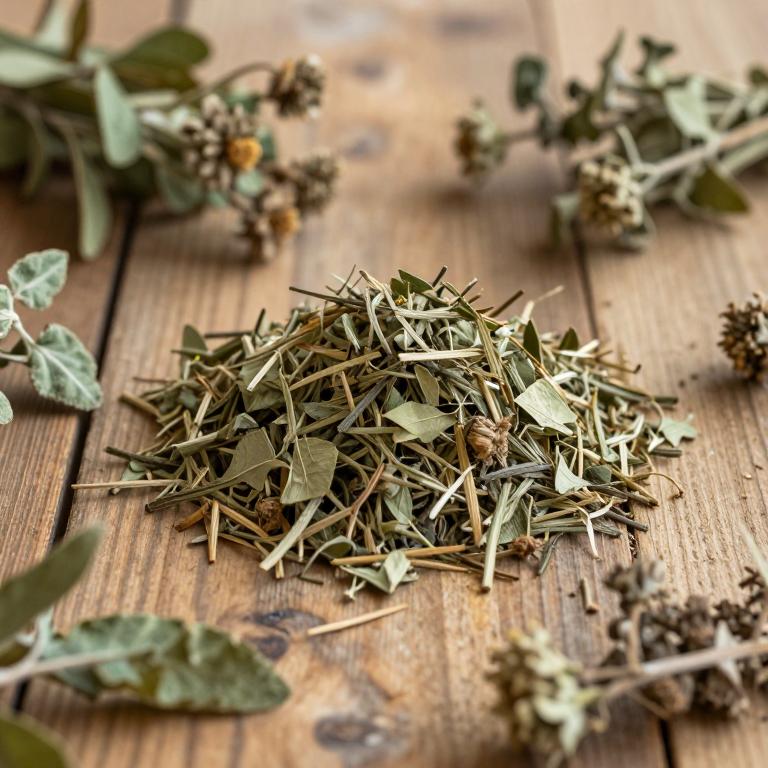
- Synonyms
- Myrrhis Colorata · Chrysophae Colorata · 2 more
- Common names
- Not available
- Family
- Apiaceae
- Distribution
- Not available
- Plant Parts
- Leaf
Classification
Common Names
Chaerophyllum coloratum is a distinctive plant species known by several different regional names. In German-speaking areas, it is commonly referred to as Gefärbter Kälberkropf. Moving into Eastern Europe, the plant is recognized by the Russian name Бутень окрашенный. These diverse linguistic labels highlight the plant's presence across various cultural landscapes. Understanding these common names helps botanists and enthusiasts identify the species regardless of their location.
Sources: Catalogue of Life (COL)
Synonyms
Chaerophyllum coloratum is a botanical species that has been identified through various taxonomic classifications over time. Throughout its scientific history, it has been documented under several synonymous names to reflect evolving botanical understandings. These include classifications such as Chrysophae colorata and Croaspila colorata, which highlight different historical perspectives. Furthermore, the plant has also been recognized by the synonyms Grammosciadium coloratum and Myrrhis colorata. Understanding these various nomenclatures is essential for researchers tracking the lineage and identity of this specific plant.
Sources: The World Checklist of Vascular Plants (WCVP)
Taxonomy
Chaerophyllum coloratum is a distinctive member of the kingdom Plantae. This species is classified under the class Equisetopsida and belongs to the order Apiales. Within this taxonomic framework, it is placed in the family Apiaceae. It is further identified by its specific genus, Chaerophyllum. Understanding these biological relationships provides essential insight into the plant's evolutionary lineage.
| Rank | Classification |
|---|---|
| Kingdom | Plantae |
| Phylum | Streptophyta |
| Class | Equisetopsida |
| Subclass | Magnoliidae |
| Order | Apiales |
| Family | Apiaceae |
| Genus | Chaerophyllum |
Sources: The World Checklist of Vascular Plants (WCVP)
Distribution
Geographic Regions
Chaerophyllum coloratum is a plant species primarily found across various regions of Europe. Its distribution is particularly concentrated within Southeastern Europe, where it thrives in specific local habitats. Detailed records indicate that the species is also widely present throughout the Northwest Balkan Peninsula. Within this geographic range, it can be spotted in countries such as Albania. This widespread presence highlights the plant's adaptability to the diverse environments found throughout these European territories.
Sources: The World Checklist of Vascular Plants (WCVP)
Identification
Biological Activities
Chaerophyllum coloratum stands out as a medicinal plant with significant therapeutic potential according to recent phytochemical profiling. Research indicates that this species possesses notable antioxidant activity, specifically through its ability to scavenge hydroxyl radicals. In addition to these oxidative benefits, the plant demonstrated high effectiveness in inhibiting protein denaturation in egg albumin assays. These bioactive properties are closely linked to the presence of specific phenolic compounds and essential trace elements within its leaves. Ultimately, these findings suggest that the plant could serve as a valuable natural resource for managing oxidative stress and inflammation.
Compounds
Conditions
Chaerophyllum coloratum demonstrates significant medicinal potential through its ability to treat inflammation and oxidative stress. In studies involving protein denaturation assays, this plant showed exceptional anti-inflammatory activity, particularly in egg albumin inhibition. The plant's effectiveness is linked to its bioactive components, including phenolic compounds and essential trace elements. Furthermore, its capacity to mitigate oxidative stress is highlighted by its antioxidant potential in scavenging hydroxyl radicals. These combined properties support the use of Chaerophyllum coloratum as a functional agent against inflammatory and oxidative processes.
Preparations
Chaerophyllum coloratum is prepared as ethanolic leaf extracts to facilitate detailed biochemical analysis. These specific extracts were utilized in the study to evaluate various medicinal properties, including anti-inflammatory and antioxidant activities. Through this preparation method, researchers were able to assess the plant's ability to inhibit bovine serum albumin and egg albumin denaturation. The resulting ethanolic extracts demonstrated significant potential, particularly in achieving high levels of BSA inhibition. Consequently, the processing of Chaerophyllum coloratum into these extracts revealed its effectiveness in combating oxidative stress and inflammation.
Parts used
Chaerophyllum coloratum serves as a significant subject of study regarding the medicinal properties found within its leaf extracts. Researchers analyzed these leaves to determine the concentrations of essential metals such as iron, copper, zinc, and manganese. The study revealed that the plant possesses substantial anti-inflammatory potential, particularly through its ability to inhibit bovine serum albumin denaturation. Furthermore, the leaf extracts contribute to antioxidant defense by scavenging hydroxyl radicals effectively. These findings highlight the importance of the leaf's chemical composition in its potential use as a dietary supplement.